
Reviewed · COOKING CLASSES
Nilaveli: Sri Lankan Cooking Class with a Local Family
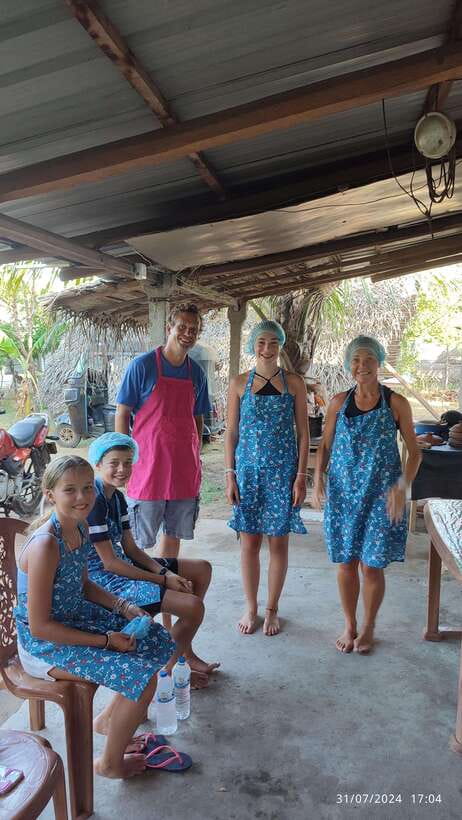
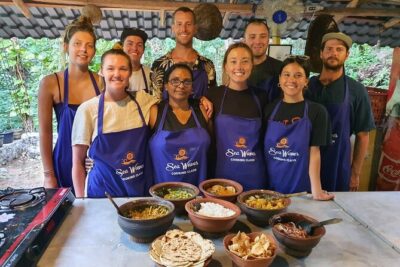
Curry starts with a warm family welcome. In Nilaveli, you cook with Nimali Dinushika and her family on traditional wood stoves, learning real Sri Lankan techniques like rice and curry and string hoppers. I also like that the meal is included, so you don’t leave with only recipes. One thing to plan for: chicken or fish curry costs extra (and seafood can cost more depending on what you request).
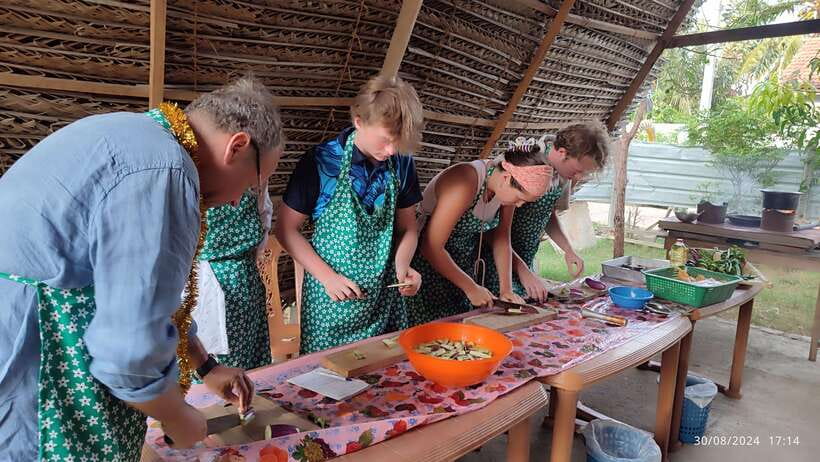
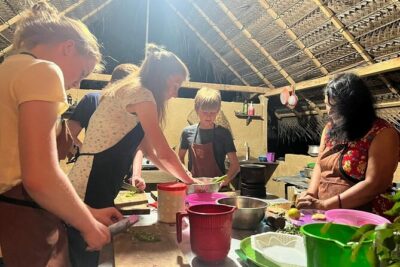
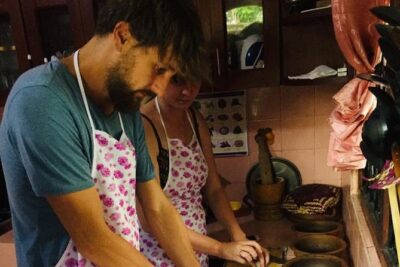
This is a hands-on class, not a demo. You’ll make a lineup that can include rice and curry, string hoppers, hoppers, pittu, roti, and milk rice, plus sweets and curry powder, with ingredient guidance along the way.
The class runs about 5 hours, and it’s designed to feel personal. You’ll use provided ingredients and personal cooking equipment in a traditional home kitchen, then sit down to eat.
In This Review
- Quick hits: what makes this class special in Nilaveli
- Why this Sri Lankan cooking class feels like family time
- Meet Nimali Dinushika in a traditional home kitchen
- The 5-hour flow: cooking first, then a proper sit-down meal
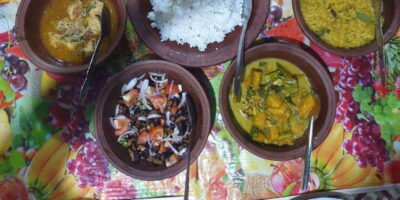
- What you cook: rice and curry, hoppers, pittu, roti, and milk rice
- Wood stoves, firewood, and why the method matters
- Extras for fish, chicken, and seafood, plus smart budgeting
- Comfort and practical tips for Nilaveli cooking day
- Who should book this class, and who should skip it
- Price and value: is $22 fair for 5 hours at a family kitchen?
- Should you book this Nilaveli cooking class?
- FAQ
- How long is the Nilaveli cooking class?
- Where is the meeting point?
- Is hotel pickup or drop-off included?
- What dishes will we learn to cook?
- Is the class suitable for vegetarians?
- Are ingredients and equipment provided?
- What should I bring and wear?
- Is it safe for people with food allergies or very young children?
- What languages is instruction in?
Quick hits: what makes this class special in Nilaveli
- Wood-stove cooking with firewood, so the flavor comes from the method, not shortcuts
- Family-led instruction from Nimali Dinushika, with English and Singhalese support
- A full range of Sri Lankan dishes, from rice and curry to hoppers and pittu
- You learn spice and ingredient choices, including how to handle curry powder
- The meal is included, so you get to taste your results at the end
- Menu flexibility, with vegetarian options and optional fish, chicken, or seafood for an extra charge
Why this Sri Lankan cooking class feels like family time
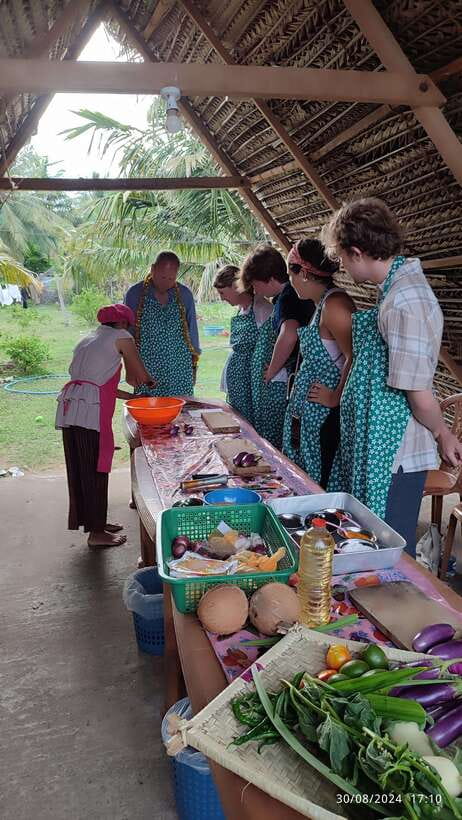
Nilaveli is in Sri Lanka’s Eastern Province, and this class gives you something the usual restaurant meal can’t: the work behind the food. You’re not just watching someone explain, you’re cooking in the rhythm of a real household kitchen.
What I love most is the tone. The family welcome is genuinely warm, and the experience is structured so you feel included while still learning properly. You also get a clear sense of how everyday Sri Lankan meals are built, from the base of rice through curries, sambols, and those special foods you only really get by making them yourself.
The second big win is practical variety. In one sitting you can go well beyond “curry and rice.” You’re guided through multiple textures and cooking styles, including hopper-style preparations and starchy staples like pittu and roti. If you’re trying to understand Sri Lankan cooking, this breadth matters.
Just keep in mind that not everything is automatically included at the same price. If you want chicken curry or fish curry, there’s an extra per person charge, and seafood can cost extra depending on what you ask for. It’s normal for this kind of class, but it’s smart to know so the final bill matches your expectations.
More cooking classes in Trincomalee:
- Ella: Traditional Sri Lankan Cooking Class
★ 4.9 · 788 reviews - Organic cooking class sigiriya (kumara & family)
★ 5.0 · 650 reviews - Kandy Village Cooking Class
★ 5.0 · 536 reviews
Meet Nimali Dinushika in a traditional home kitchen
Your meeting point is at Pigeon Island Tours, in the same area as The Rice and Curry Seafood where Cook with Nimali is set up. The setting is a traditional Sri Lankan home rather than a commercial kitchen, so wear comfortable clothes and expect a grounded, lived-in environment.
You’ll meet your host, Nimali Dinushika, and her family, and the class starts with an introduction to daily cooking and ingredient choices. They explain spices and how they’re used, and you get context for why certain ingredients are paired together.
A nice touch from the experience is how the class can adapt. You’re asked what you want to cook, and the family works to fulfill the requests you make within the class structure. That’s especially helpful if you prefer vegetarian dishes or want to focus on specific flavors.
Also, instruction is in English (with Singhalese support), and you’ll have time during the session to ask questions about what’s happening in the pan. You’re not left guessing why something thickens, why sambol tastes the way it does, or how to shape hoppers correctly.
The 5-hour flow: cooking first, then a proper sit-down meal
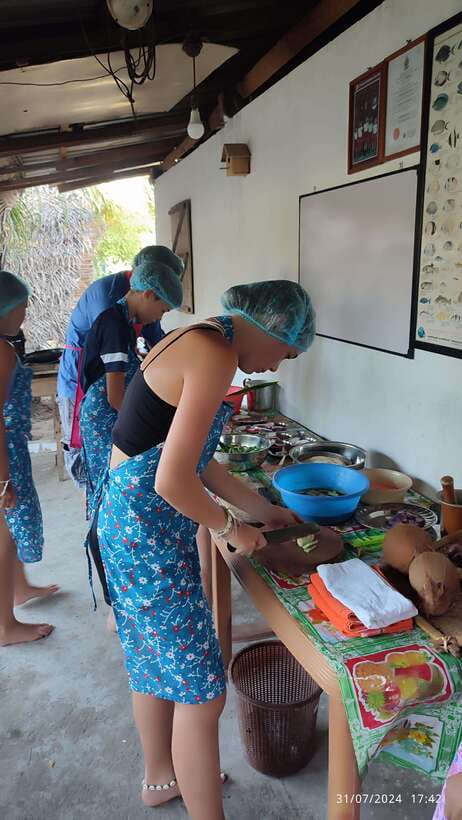
Plan on a 5-hour experience. The rhythm is simple: you cook for several hours, then you eat together.
This matters more than you might think. Cooking classes that rush the food often leave you with a plate of “one bite each” and no satisfaction. Here, the structure supports finishing what you start. You learn, you practice, and then you finally taste the results at a normal meal pace.
Here’s how the time typically breaks down based on what’s included and how the class is described:
- Hands-on cooking block: you prepare multiple dishes, using traditional methods and provided ingredients
- Dining block: you sit down to enjoy what you made, with water and refreshments included
There’s no hotel pickup, so you’ll need to get yourself to the meeting point on time. The class is also wheelchair accessible, but since it’s in a home setting, you should wear comfortable clothes you can move in easily.
What you cook: rice and curry, hoppers, pittu, roti, and milk rice
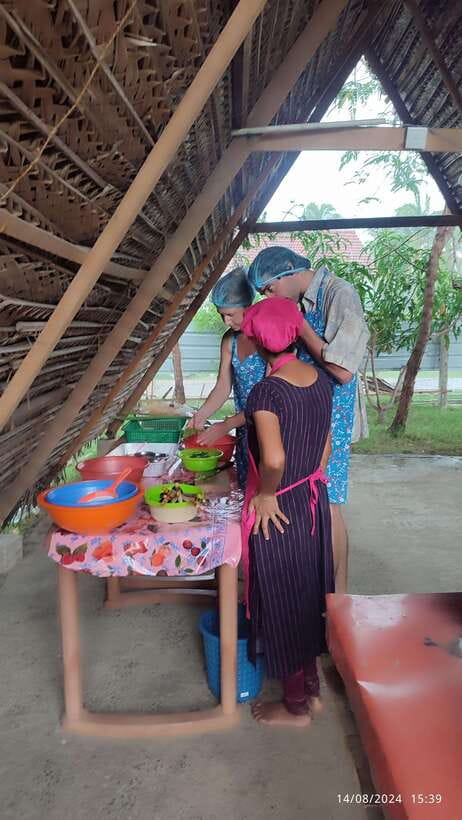
The menu is built around Sri Lankan favorites, and the class covers both “daily staples” and special-texture dishes. You can expect a mix that may include:
- Rice and curry: the foundation of the meal, with curries and spice balance
- String hoppers and hoppers: hopper-style preparations that teach you about dough handling and steaming
- Pittu: a signature Sri Lankan dish with a distinct texture that takes practice
- Roti: a flexible staple that shows how Sri Lankan cooking works with dough and heat
- Milk rice: a comforting sweet or milky rice dish to round things out
- Sweets: including traditional sweets like halapa, often served with tea
You’ll also learn how to make curry powder and prepare Sri Lankan sweets. That’s one of the most valuable parts for bringing the flavors home. Curry powder is not just an ingredient, it’s a flavor system. Once you understand how it’s used and how different dishes rely on it, it becomes easier to recreate Sri Lankan flavors later.
In a hands-on home class, the small wins add up. One of the memorable moments from past sessions is learning from the family’s real routines, like preparing sambols and working with fresh ingredients. You might even get hands-on with items like coconut prep, depending on what’s available and what the family includes that day.
Dietary restrictions can be discussed in advance. The class is designed around traditional cooking, and you should inform the host about allergies or dietary needs before you arrive.
A few more Trincomalee trips to line up
- Sea waves sri lankan cooking class
★ 5.0 · 467 reviews - Ella: Sri Lankan Cooking Class with Neranji at Homestay
★ 5.0 · 276 reviews - Ella : Cooking class with amazing Spice Garden Tour
★ 5.0 · 239 reviews - Sajee’s Place Cooking Class
★ 5.0 · 237 reviews
Wood stoves, firewood, and why the method matters
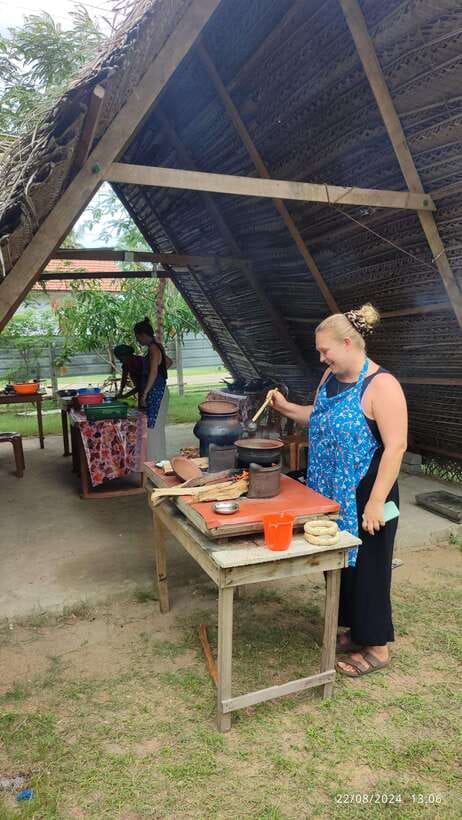
One of the most distinctive parts of this experience is the cooking approach. Meals are prepared using firewood and wood stoves, so the kitchen feels like how food gets cooked at home, not like a studio set.
This is great for two reasons.
First, it teaches you how flavor develops when you cook with real heat sources. You can feel the difference in pace, steam, and how dishes reduce over time.
Second, it makes the lesson more believable. Instead of a clean, controlled demonstration, you work within the realities of a home kitchen. That’s where the technique sticks.
If you’re the type who likes taking notes, this is still useful. You’ll learn ingredient combinations and practical steps, not just the final taste. And because you eat what you make, you can compare what you produced with the target flavor as the meal progresses.
Extras for fish, chicken, and seafood, plus smart budgeting
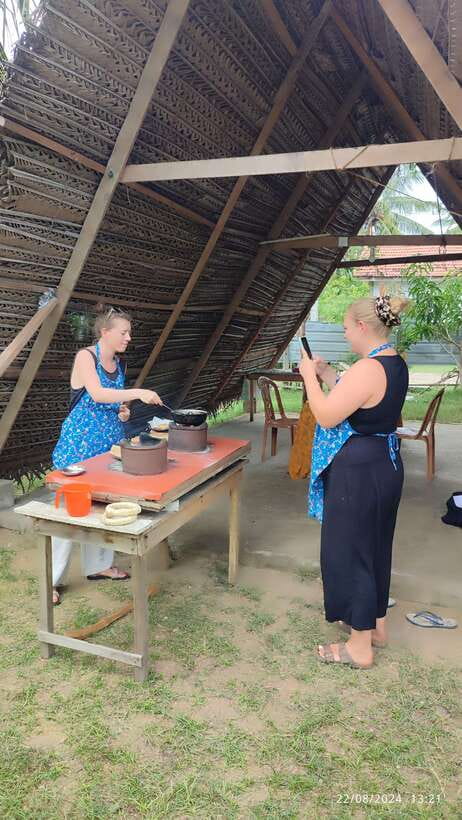
The class includes a lot, including ingredients, recipes for traditional dishes, and dining. But it’s not a one-price-fits-all menu.
Here’s what to watch:
- If you want chicken curry or fish curry, there’s an extra 2000 LKR per person
- If you want seafood dishes, the extra price depends on what you request
From a value point of view, it still makes sense for many people. You’re paying for a full home-cooked learning experience, not a short tour plus a meal. But if seafood or meat is a must for you, it’s worth confirming before you go so you can plan your budget.
My suggestion: if you’re unsure, start by choosing a direction. Vegetarian-focused classes can be easier to price and often include plenty of strong flavors through curries, sambols, and sweets. If you specifically want seafood or chicken, budget for the extras early so the final cost feels controlled.
Comfort and practical tips for Nilaveli cooking day
This class happens in a traditional home kitchen, in a warm coastal region. That means your comfort choices affect the day.
Bring:
- A hat
- Sunscreen
- Comfortable clothes you can cook in
Wear clothes that are easy to move in. Cooking often involves steam, heat, and repetitive hand motions. Since the class includes multiple dishes, you’ll probably be standing and working more than you expect.
Also note the rules:
- No pets
- No smoking
- No alcohol or drugs
If you have dietary restrictions or allergies, tell the host in advance. The class is not suitable for people with food allergies, so be honest about needs before booking.
Finally, arrive ready to cook. This isn’t a “watch and snack” experience. You’ll want to be mentally in the kitchen, hands-on and curious.
Who should book this class, and who should skip it
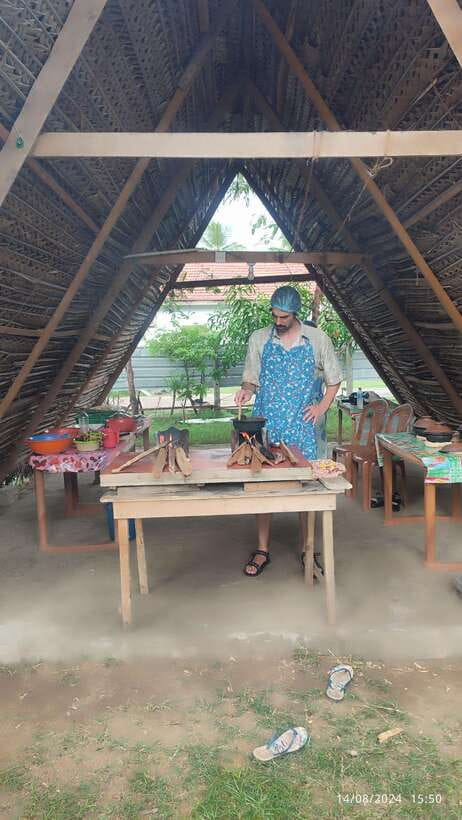
This cooking class is a strong match if you want:
- A real look at everyday Sri Lankan cooking methods
- A practical skill you can repeat later, like curry powder and hopper-style cooking
- A meal that’s part of the lesson, not separate from it
- A family-style experience led by a local host, Nimali Dinushika, with a warm welcome
It’s also a good choice for people who like variety. If you only know Sri Lankan food as “curry and rice,” this class helps you connect the dots between curries, starches, and sambols.
Skip it if:
- You have a food allergy (the class isn’t suitable for that)
- You’re traveling with very small children under age 2
Price and value: is $22 fair for 5 hours at a family kitchen?
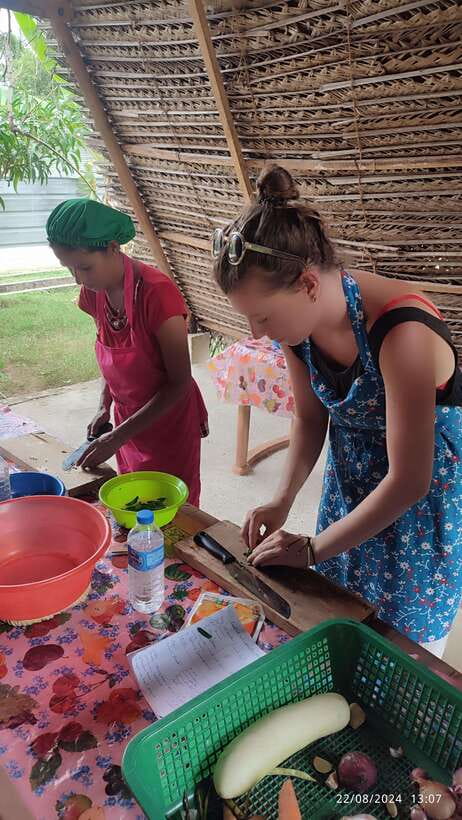
At about $22 per person, the price feels reasonable for a 5-hour, home-based cooking class that includes:
- Cooking instruction in English (with Singhalese support)
- Traditional wood-stove and firewood methods
- Ingredients for multiple dishes
- Recipes for traditional dishes
- Water and refreshments
- Dining, so you eat what you cook
The extra charges for fish, chicken, or seafood can change the total, but the base offering still covers a full meal experience with multiple Sri Lankan dishes and techniques.
For many people, the value comes from two things: time and context. Five hours is enough time to actually learn, practice, and taste the results. And doing it inside a family home gives you a clearer understanding of ingredients and daily meal logic.
If you like hands-on learning and you’ll use the dishes as inspiration after your trip, this is a strong purchase. If you only want a quick cooking demo, you might find it runs longer than you expected.
Should you book this Nilaveli cooking class?
I think you should book it if your goal is to leave Nilaveli with more than photos. This is the kind of experience that helps you understand Sri Lankan cooking by making it, with traditional tools like wood stoves and firewood.
Book it confidently if you want to cook a mix of staples like rice and curry, string hoppers, pittu, roti, and milk rice, and you’re interested in learning curry powder and traditional sweets like halapa.
Think twice if seafood, chicken, or fish is a must and you haven’t budgeted for the add-ons. And if you have a food allergy, this is not the right fit.
If you want a calm, practical way to taste and learn Sri Lankan home cooking at the source, Cook with Nimali in Nilaveli is an easy yes.
FAQ
How long is the Nilaveli cooking class?
The class runs for about 5 hours.
Where is the meeting point?
You meet at Pigeon Island Tours, in the same meeting area as The Rice and Curry seafood, where Cook with Nimali is located.
Is hotel pickup or drop-off included?
No, hotel pickup and drop-off are not included.
What dishes will we learn to cook?
You’ll prepare a variety of traditional Sri Lankan dishes, which can include rice and curry, string hoppers, hoppers, pittu, roti, milk rice, and Sri Lankan sweets. Curry powder is also covered.
Is the class suitable for vegetarians?
The experience allows you to decide what you want to cook, including vegetarian options. If you choose chicken curry or fish curry, there is an extra 2000 LKR per person, and seafood has an additional cost depending on what you request.
Are ingredients and equipment provided?
Yes. Ingredients for cooking, recipes, personal cooking equipment, and water and refreshment are included.
What should I bring and wear?
Bring a hat and sunscreen, and wear comfortable clothes suitable for cooking in a home setting.
Is it safe for people with food allergies or very young children?
It is not suitable for people with food allergies. Children under 2 years old are also not suitable.
What languages is instruction in?
The class is conducted in English, with Singhalese also used.
Recent additions in Trincomalee
- From Trincomalee: Village Tour & Minneriya Elephant Safari★ 5.0 · 8 reviews
- Trincomalee : Whale & dolphin watching +pigeon island tour★ 4.5 · 3 reviews
- Trincomalee: Guided scooter City Tour★ 5.0 · 3 reviews
- Trincomalee: Tuk-Tuk city tour with a guide★ 5.0 · 4 reviews
- Trincomalee: City Tour with Koneswarm and Crocodile lake★ 4.5 · 13 reviews
- Trincomalee : pigeon island tour + snorkeling★ 3.5 · 4 reviews
- Trincomalee: Dolphin & Whale Watching Boat Tour★ 4.2 · 37 reviews
- Snorkeling Trip To Angel Rock★ 5.0 · 4 reviews
Cooking Classes, compared.
Organic cooking class sigiriya (kumara & family)
Read our review →
Sri Lankan Cooking Class with Neranji at Homestay
Read our review →
Browse the lists this tour appears in