
Reviewed · WHALE WATCHING
Trincomalee: Dolphin & Whale Watching Boat Tour
Whales or dolphins, either way, it is worth it. Out of Nilaveli Beach near Trincomalee, you’re up early, on the water fast, and then you spend the next hours watching Sri Lanka’s Indian Ocean wildlife at close range.
I like two things most. First, this tour is run as an expert-led wildlife trip, with life jackets and safety gear on board. Second, I like the pacing for sightings and photos, starting with calmer, dolphin-heavy waters and then pushing out farther when conditions allow.
The one drawback to plan around is simple: sightings are never guaranteed, and the sea can also bring a windier ride. Even when dolphin numbers are strong, whale sightings depend on the day, the season, and where the animals decide to travel.
In This Review
- Key things that make this tour work (or not)
- Where Nilaveli and Trincomalee make this a smart dolphin and whale trip
- Timing: why 5:30 AM to 5:45 AM is not a random detail
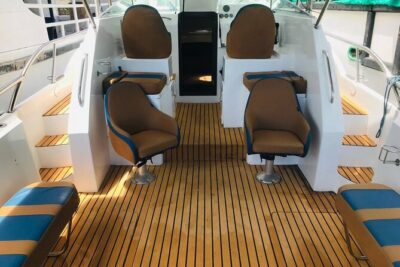
- The boat, safety gear, and staying comfortable for a 2-hour ride
- What you are looking for: dolphins first, whales if luck and timing align
- Dolphins you may see
- Whales you may see
- How the dolphin spotting phase usually feels
- Whale search: what to expect when you go farther out
- The marine life bonus touches you might catch
- Price and value: is $40 a good deal for Trincomalee whale watching?
- What the included return to Nilaveli feels like
- Eco-friendly watching: how to handle the reality of busy waters
- Who should book this tour, and who should skip it
- What to bring so you enjoy the boat ride, not fight it
- A balanced expectation: when you get dolphins and when you do not
- Should you book the Trincomalee dolphin and whale watching boat tour?
- FAQ
- How long is the Trincomalee dolphin and whale watching tour?
- What time does the boat leave from Nilaveli Beach?
- Where does the tour start and end?
- Is hotel pickup included in the price?
- What animals can you see on this tour?
- What is included in the tour price?
- What should you bring, and is swimming allowed?
Key things that make this tour work (or not)
- Early departure is the whole game: boats leave between 5:30 AM and 5:45 AM for the best odds.
- You get proper safety basics: life jackets are provided and must be worn.
- Season boosts your chances: March to August is the most likely window for whales and dolphins.
- Dolphins usually come first: the trip often starts with dolphin action before any deeper-water searching.
- Bring wind and motion solutions: a light jacket helps, and seasickness medicine is smart if you get queasy.
- Expect a nature reality check: wildlife sightings are possible, not guaranteed.
Where Nilaveli and Trincomalee make this a smart dolphin and whale trip
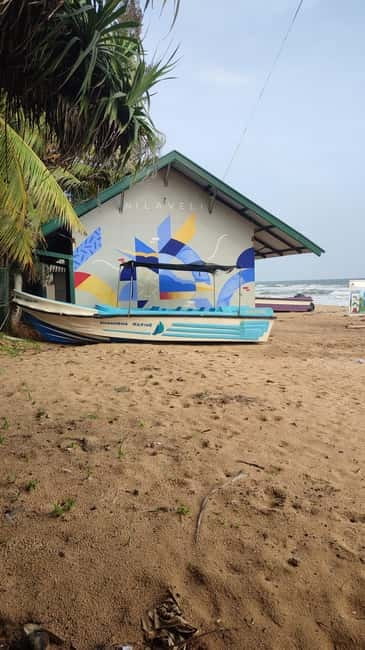
Trincomalee sits on Sri Lanka’s east coast, facing the Indian Ocean in a way that gives you open-water wildlife potential. Nilaveli Beach is the practical launch point. The tour starts early because the animals tend to be more active, and the water conditions are often gentler before the day heats up.
What you’re buying is not a theme park moment. It’s a wildlife search with a real sea component, meaning weather and animal movement matter. When that clicks, this becomes one of those trips you’ll remember for the right reasons: motion, silence between the waves, and the sudden burst of dolphins cutting across the surface.
The tour typically runs about 2 to 2.5 hours total on the water, depending on sea conditions and what the crew finds.
A few more Trincomalee trips to line up
- Nilaveli: Lagoon Boat Safari with Mangrove Exploration
★ 3.8 · 5 reviews - Sports Boat- Private Whale Watching Trip( free breakfast & paid pick-up)
★ 5.0 · 93 reviews - Galle Private Day Tours with Sea Turtles visit & Boat Safari
★ 4.8 · 69 reviews
Timing: why 5:30 AM to 5:45 AM is not a random detail
You’ll be asked to arrive 15 minutes before departure, with the morning launch window set between 5:30 AM and 5:45 AM. That early start does two useful things for you.
1) It improves your chance of seeing wildlife when they’re more active.
2) It gives the crew more time to search if dolphins are present at one spot but whales are not immediately showing.
If you’re the type who hates early mornings, this is the part to accept first. Once you’re on the boat and moving, the cold air and sunrise light turn the inconvenience into part of the fun.
The boat, safety gear, and staying comfortable for a 2-hour ride
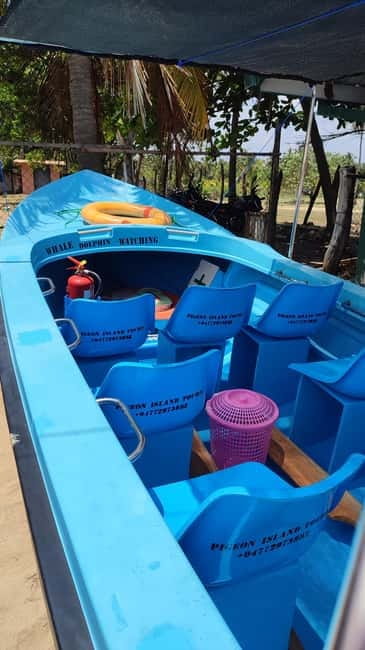
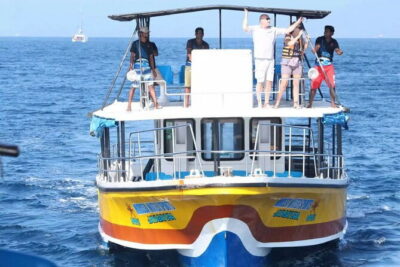
This tour uses a comfortable boat with safety gear and life jackets provided. You must wear the life jacket during the trip. That matters because you’re heading into open water, where calm can turn bumpy depending on wind.
Comfort tips based on what actually affects your experience:
- Bring a light jacket because it can get windy at sea.
- Wear sunglasses and use sunscreen, since the sun can be strong once you’re out past the shoreline.
- If you’re prone to motion sickness, pack seasickness medication ahead of time. This is one of those “prevention beats regret” travel items.
Also note what is not allowed: smoking and swimming. You’re there to watch, not to hop in.
What you are looking for: dolphins first, whales if luck and timing align
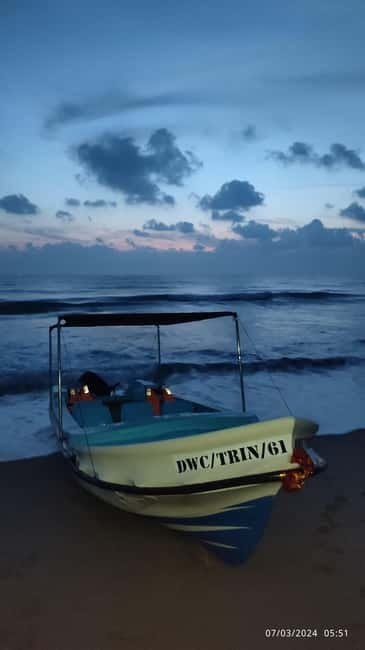
The tour focuses on dolphin and whale watching off Trincomalee’s coast, with a clear target list that can shape your expectations.
Within the same drive of Trincomalee, but a different sort of day:
- Trincomalee: Whales Watching and Navy Island Snorkeling Tour
★ 4.4 · 81 reviews - From Uppuveli Beach: Pigeon Island Snorkeling Tour
★ 4.5 · 58 reviews - Trincomalee: Whale & Dolphin Safari Tour with Expert Guides
★ 4.2 · 53 reviews - Snorkeling Trip To Pigeon Island
★ 4.1 · 38 reviews
Dolphins you may see
You might spot spinner dolphins, and in general, expect the kind of dolphin behavior that looks like play. The tour experience is designed around watching dolphins swim alongside the boat, with action like spinning, leaping, and racing through the waves.
Dolphins are often the more reliable sighting on these trips. Even when whales do not show up that day, dolphin activity can still make the outing feel like a win.
Whales you may see
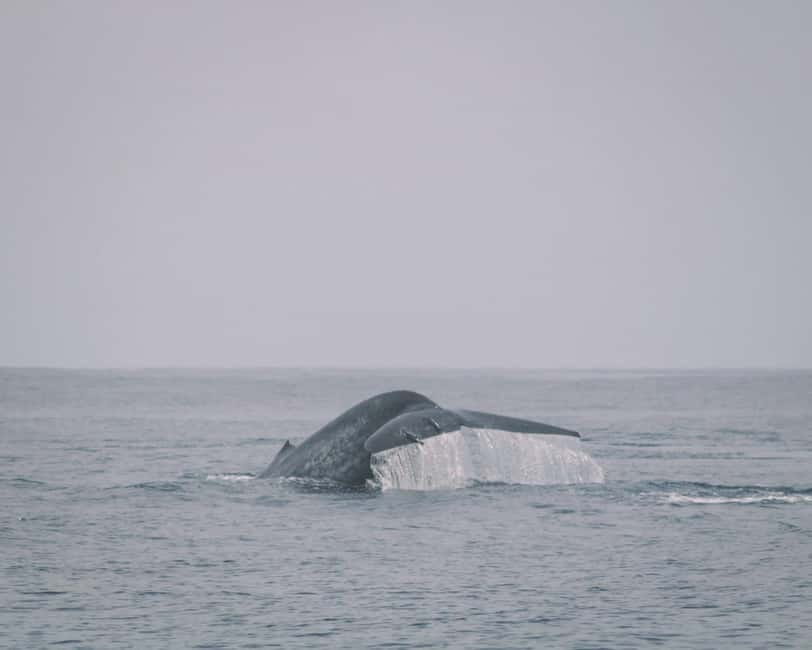
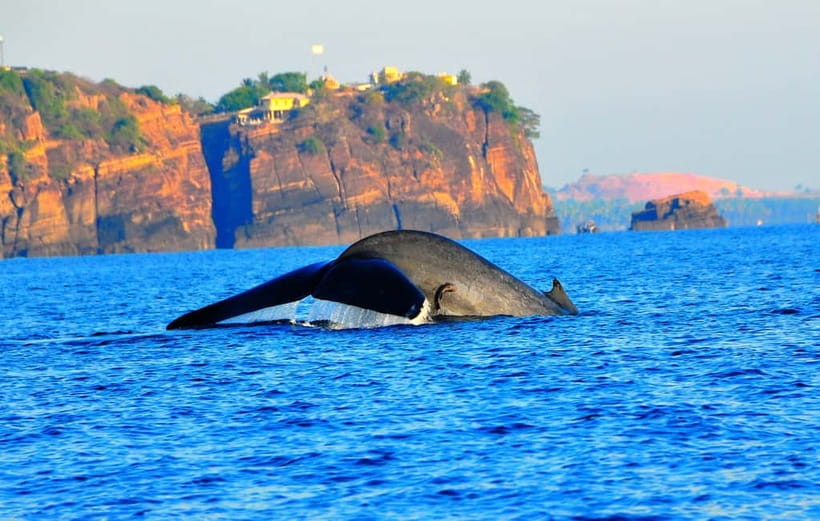
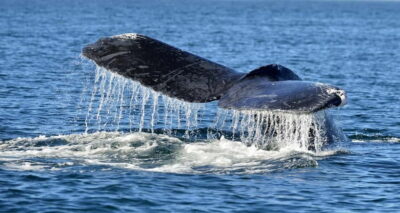
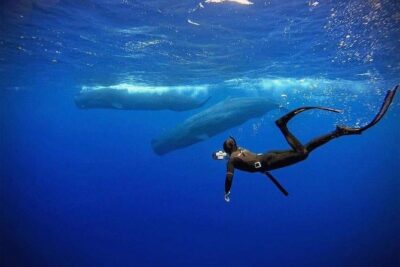
The whale list includes blue whales and sperm whales, which are some of the largest creatures on Earth. You might also see other marine life depending on the day, like flying fish and sea turtles.
Important reality check: sightings are not guaranteed. That’s not a marketing excuse, it’s how wildlife watching works. If whales don’t surface during your search window, you do not get a refund for “not getting a whale.” You do still get the boat ride and the marine-life hunt.
How the dolphin spotting phase usually feels
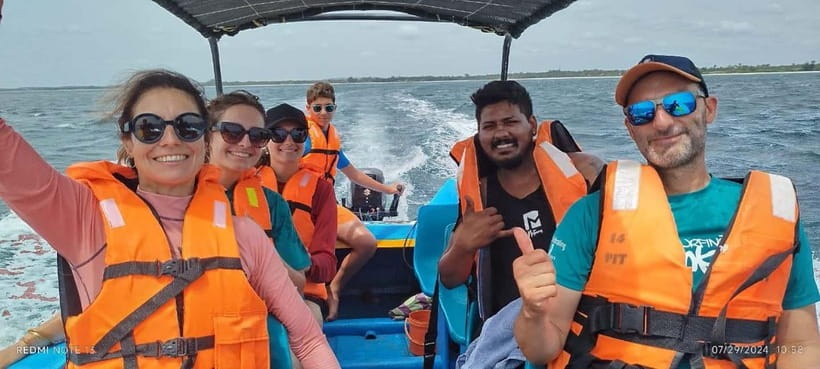
The trip typically begins with the chance to see dolphins relatively early. You’ll be out on calm blue waters of the Indian Ocean, and the crew will keep scanning and adjusting route based on what the animals do.
This is where you’ll likely get your best mix of:
- close, visible dolphin behavior
- easier photo angles near the surface
- the most entertaining “right next to the boat” moments
Because you’re dealing with real animals, not a controlled performance, you should also be prepared for short bursts of action. Dolphins can appear, then move out of view. When that happens, you’ll likely shift from “wow, they’re right there” to “watch the horizon and trust the crew.”
Whale search: what to expect when you go farther out
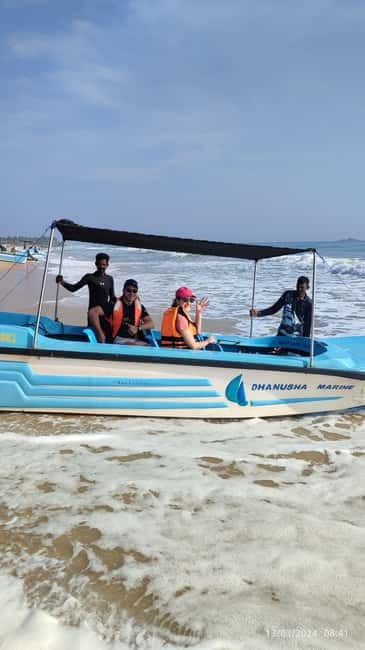
After the dolphin phase, the boat heads farther out into deeper sea when conditions allow. This is when the experience changes from energetic surface play to slow scanning and patience.
For whales, the vibe is different. You’re not watching constant movement. You’re watching for a blow, a slick back, a glimpse between waves, and timing. The guide shares facts about the marine animals and the ocean ecosystem, which helps you stay engaged even during quieter stretches.
If whales do show up, photo and video chances usually come in bursts. So be ready with your camera set up and your eyes tracking wide, not just fixed in one direction.
The marine life bonus touches you might catch
Depending on the day, you may also see other ocean creatures like flying fish, sea turtles, or pilot whales. Even if your main targets are dolphins and whales, these “extra sightings” add variety and make the ocean feel alive in a different way.
This is also why I like doing the trip early. The water and sky give you natural contrast for photos, and the sea breeze keeps the ride feeling fresh instead of exhausting.
Price and value: is $40 a good deal for Trincomalee whale watching?
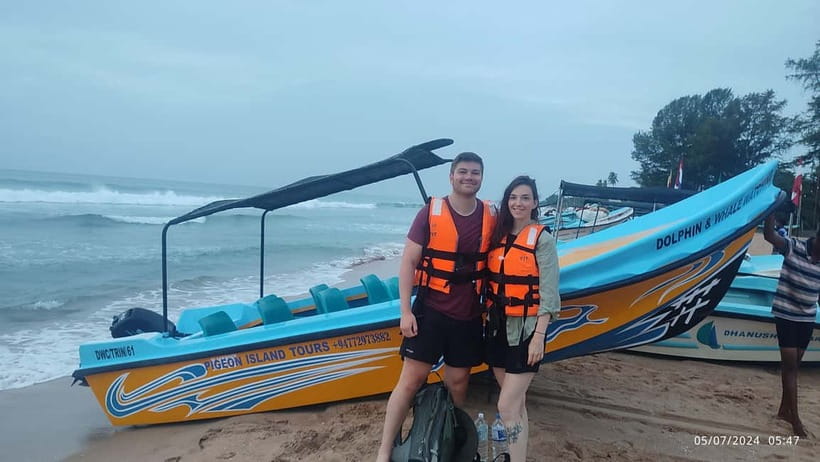
At $40 per person for a roughly 2 to 2.5 hour boat outing, the value mostly comes from what’s included and what you avoid paying for.
Included basics:
- a boat seat with a life jacket
- 500 ml bottled drinking water
Not included:
- hotel pickup and drop-off (you can arrange transport for an extra charge, depending on distance)
So what does that mean for value?
- If you can reach Nilaveli Beach easily, you’re getting a fairly straightforward wildlife boat experience with the key safety item included.
- If you need transport from farther away and the added cost is high, your all-in price may feel less like a bargain.
My practical take: this is a good price point if you’re already planning time around Nilaveli and you can manage the early start without a complicated transfer.
What the included return to Nilaveli feels like
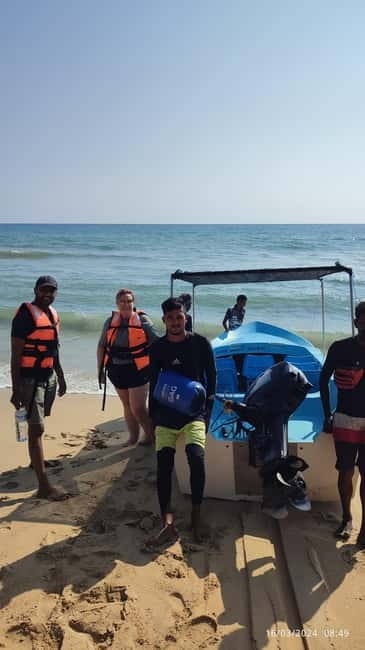
After roughly 2.5 hours on the water, the boat returns to Nilaveli Beach. The timing is part of what makes this a good fit for many itineraries. It’s long enough to matter, but not so long that it eats your whole day.
One extra bonus you might find on return is a breakfast snack bag at the beach. In one case, a rider noted water and juice were included, along with a local sweet described as yellow rolled pancakes. Because this is not listed as a guaranteed inclusion for every booking, think of it as a possible add-on you could be pleasantly surprised by.
Eco-friendly watching: how to handle the reality of busy waters
Wildlife boat tours can bring a crowd. On busy days, you may see many boats in the same general area, which can make it feel like animals are being searched rather than simply watched.
Here’s how to keep this ethical and enjoyable for you:
- Pay attention to how close boats are to dolphins and whales.
- If you feel the boat is constantly chasing, that’s a sign to lower your own expectations for calm, natural behavior.
- Focus on respectful viewing, where you get the animal but give it room to choose its direction.
Some trips feel more respectful than others. Your best move is to go with a mindset that the goal is observation, not control. When you do that, even a day with fewer or no whales can still feel meaningful if dolphins keep showing up.
Who should book this tour, and who should skip it
This tour is best for people who can handle:
- an early morning start
- a boat ride that may be breezy and occasionally choppy
- waiting and scanning for wildlife
It is suitable for children over 5 years old, with children accompanied by an adult. It is not suitable for children under 4 years old.
It is also not recommended for:
- pregnant travelers
- people with serious back or mobility issues
- people with heart problems
- people over 70 years old
If you fall into those categories, I’d skip this one and choose a gentler ocean activity instead. The goal here is to watch wildlife, and you do not want discomfort to take over the day.
What to bring so you enjoy the boat ride, not fight it
Pack light, but pack smart. The basics that matter most for comfort and photos:
- sunglasses
- camera (or binoculars if you have them)
- sunscreen and a hat
- a light jacket for wind
- seasickness medication if you tend to get motion sickness
- bring your preferred drink plan, even though water is provided
Also remember what not to do: no swimming and no smoking.
A balanced expectation: when you get dolphins and when you do not
I’d set your expectations like this:
- Best-case day: dolphins are active early, and whales show up somewhere later.
- Common day: dolphins are great, whales may be fewer or absent.
- Quiet day: marine life sightings can be limited, and the main win becomes the boat ride, ocean air, and the guide’s ecosystem facts.
This is why I think the early start matters and why you should prepare mentally for the possibility of only dolphins. When dolphins are spinning and racing through the waves, the experience still feels like a real wildlife encounter, not a missed attraction.
Should you book the Trincomalee dolphin and whale watching boat tour?
If you want a real shot at dolphins and a legitimate chance of blue or sperm whales, this is a strong pick, especially when you can travel in the March to August season window. The expert-led setup, life jackets on board, and the focused marine search make it a practical wildlife experience from Trincomalee.
I’d book it if you:
- can handle a 5:30 AM start
- want ocean time plus wildlife scanning
- are okay with a nature-based activity where whales are possible, not guaranteed
I’d skip or reconsider if you:
- have mobility, back, heart, or pregnancy concerns
- strongly dislike early mornings
- need guaranteed whale sightings
Done right, this tour gives you what people come to Sri Lanka for in the first place: nature that shows up on its own schedule, and moments you do not get from a beach chair.
FAQ
How long is the Trincomalee dolphin and whale watching tour?
The tour is approximately 2.5 hours on the water, and it can vary depending on sea conditions and marine life activity.
What time does the boat leave from Nilaveli Beach?
Departure is early morning between 5:30 AM and 5:45 AM. You should arrive about 15 minutes early.
Where does the tour start and end?
The meeting point is Nilaveli Beach, and the boat returns back to Nilaveli Beach after the tour.
Is hotel pickup included in the price?
No, hotel pickup and drop-off are not included. Transport can be arranged for an extra charge depending on the distance.
What animals can you see on this tour?
The main targets are dolphins and whales, with blue whales and sperm whales mentioned, and spinner dolphins noted as a possibility.
What is included in the tour price?
A boat seat with a life jacket and 500 ml bottled drinking water are included.
What should you bring, and is swimming allowed?
Bring sunglasses and a camera, along with comfortable clothing and a light jacket for wind. Swimming is not allowed, and smoking is also not allowed.
More Dolphin Watching in Trincomalee
- Trincomalee : Whale & dolphin watching +pigeon island tour
★ 4.5 · 3 reviews - Whales and Dolphins Watching-Luxury Super Grade Cruiser(Hotel Pick up offered)
★ 5.0 · 1,268 reviews - All Inclusive Mirissa Whale and Dolphin Watching Boat Ride
★ 4.5 · 29 reviews - Whale & Dolphin Watching Tour in Trincomalee | Scenic Boat Ride
★ 4.0 · 8 reviews
Recent additions in Trincomalee
- From Trincomalee: Village Tour & Minneriya Elephant Safari★ 5.0 · 8 reviews
- Trincomalee : Whale & dolphin watching +pigeon island tour★ 4.5 · 3 reviews
- Trincomalee: Guided scooter City Tour★ 5.0 · 3 reviews
- Trincomalee: Tuk-Tuk city tour with a guide★ 5.0 · 4 reviews
- Trincomalee: City Tour with Koneswarm and Crocodile lake★ 4.5 · 13 reviews
- Trincomalee : pigeon island tour + snorkeling★ 3.5 · 4 reviews
- Snorkeling Trip To Angel Rock★ 5.0 · 4 reviews
- Snorkeling in Trincomalee★ 5.0 · 4 reviews
Whale Watching, compared.
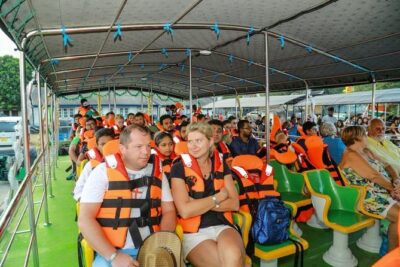
Whales and Dolphins Watching-Luxury Super Grade Cruiser(Hotel Pick up offered)
Read our review →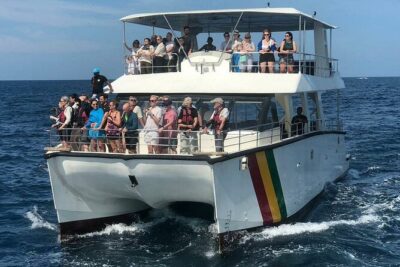
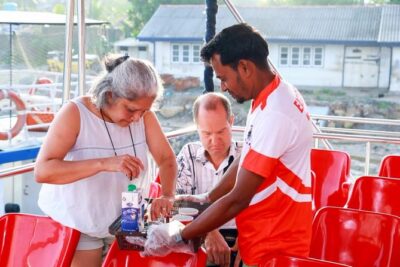
Sports Boat- Private Whale Watching Trip( free breakfast & paid pick-up)
Read our review →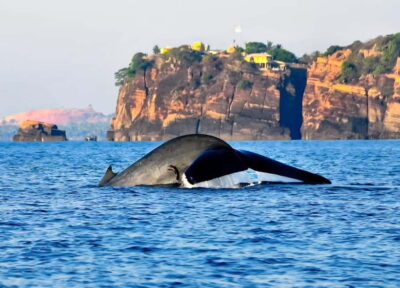
All Inclusive Mirissa Whale and Dolphin Watching Boat Ride
Read our review →Browse the lists this tour appears in