
Reviewed · WORKSHOPS
Kandy: Interactive Batik Workshop
Batik magic happens in a family workshop. In Kandy, you get hands-on wax batik instruction from Anuja and her daughter Manugi as you create your own design step by step. It is practical art class, but it feels more like being welcomed into a Sri Lankan home and getting one-on-one help when you need it.
What I like most is the personal focus: you work at your own pace, and the team supports you whether you want a stencil or your own idea. I also love that you finish with a real take-home piece, and many people even try writing their names in Sinhalese, with guidance from the instructors. One consideration: the process can be messy, so wear comfortable clothes you do not mind getting stained, and bring a change if you are cautious.
In This Review
- Key highlights for this Kandy batik workshop
- Finding the studio in Ampitiya, Kandy (and why it matters)
- Who you will work with, Anuja and Manugi
- The full batik workflow in 3.5 hours, from fabric choice to dewaxing
- Wax tools and techniques: tjanting, Henry tool, stamping, and more
- Dyes in plain language: napthol, vat, and reactive mixtures
- Finishing steps: burning, wax boiling, and the big reveal
- What to wear, and how to get the most out of a hands-on morning
- Price and value: $28 for a full wax-to-color experience
- Who this workshop is best for, and who should skip it
- Should you book this Kandy interactive batik workshop?
- FAQ
- How long is the batik workshop in Kandy?
- How much does it cost?
- Where is the meeting point?
- What’s included in the price?
- Is lunch included?
- Is the workshop taught in English, and how many people are in a group?
- What should I bring, and who should avoid this activity?
- Can I cancel and get a refund?
Key highlights for this Kandy batik workshop
- Small group size (up to 10) means you get real help, not just a quick demo
- Wax tools including tjanting, stamping methods, and a Henry tool help you make crisp patterns
- Color learning covers wax resist effects using dye approaches like napthol dyes, vat dyes, and reactive dyes
- A complete process from fabric selection to waxing, dyeing, and finishing with dewaxing
- English instruction makes the technical parts easier to follow and repeat later
- Herbal tea refreshes you during the session
Finding the studio in Ampitiya, Kandy (and why it matters)
This workshop runs out of a studio at 218/6 Thalapiyannawa Rd, Ampitiya. That address is the key to your day, because you are not just walking into a big, famous tourist site. It is more like a neighborhood stop, which is part of the charm, but it also means navigation can be slightly tricky.
A practical tip from past participants: if Google Maps is vague or your tuk-tuk driver hesitates, ask someone nearby for directions. In this area, neighbors often know the exact spot faster than an app. If you want your morning to feel calm, plan a little extra time to reach the studio and settle in before starting.
Once you arrive, you will switch into workshop mode quickly. You start by choosing your fabric, and the instructors guide you into the materials and tools right away. That flow is important because batik is all about timing, wax handling, and careful steps. If you arrive stressed, it is harder to enjoy the process.
A few more Kandy trips to line up
- Kandy Village Cooking Class
★ 5.0 · 536 reviews - Private Traditional Sri Lankan Cooking Class in Kandy with Hotel Transfers
★ 5.0 · 115 reviews - Kandy Cooking Class with Granny
★ 4.9 · 95 reviews
Who you will work with, Anuja and Manugi
The experience is led by a small team, with instruction in English. The most frequently mentioned teachers are Anuja and her daughter Manugi, and other family members like Manuth may also step in to help as needed. That family setup is not just a nice detail. It changes the feel of the class.
In a family studio, you tend to get clearer corrections. Instead of watching from the sidelines, you try the technique, then you refine it with patient guidance. Several participants highlight how helpful and kind the teaching is, especially if you are not a confident artist.
You can also expect a warm tone to the session. People describe conversations during breaks, and a welcoming atmosphere that keeps the workshop relaxed. That matters because batik is detailed work. It is easier to stay focused when the room is comfortable.
The full batik workflow in 3.5 hours, from fabric choice to dewaxing
This is a 3.5-hour session, and it is designed to take you through the whole batik cycle, not just one stage. The biggest value is seeing how the steps connect. Waxing is not a random craft step, dyeing is not separate, and finishing is not optional. Each part affects the final look of your cloth.
Here is the practical flow you should expect:
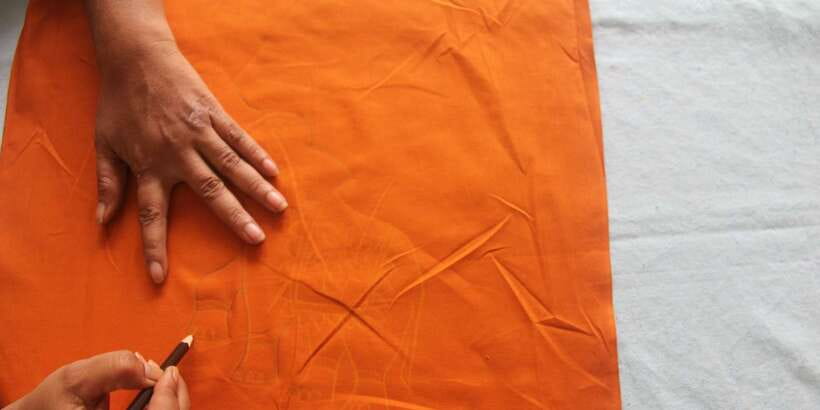
First, you start with fabric selection. You pick the material you will work on, then you learn how waxing mixtures and waxing techniques fit into the design.
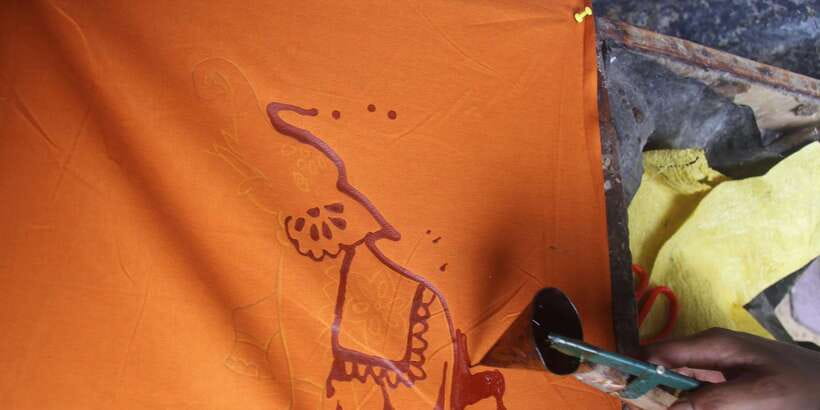
Next comes the designing and waxing phase. This is where you use tools and apply wax to create the pattern. You will try multiple methods such as wax spraying, stamping, cracking, brush arts, and wax designing, depending on what the instructor sets up for your class.
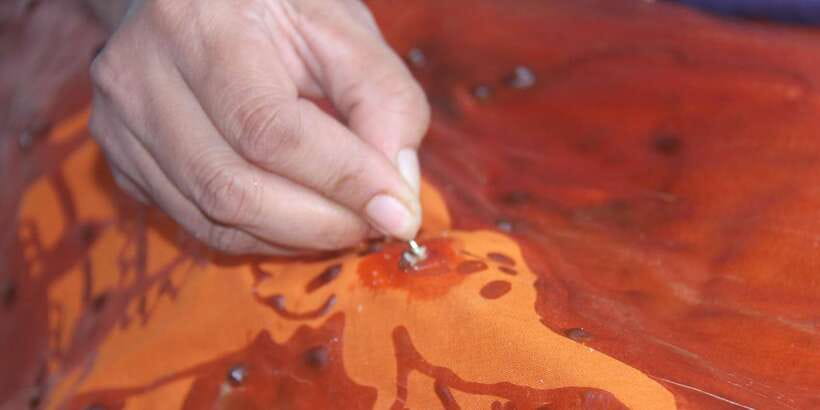
After the wax pattern is ready, you move into dye application. You learn about dye types and dye mixtures, including napthol dyes, vat dyes, and reactive dyes. The goal is not memorizing chemistry. It is understanding when and how the instructor’s dye approach creates different results on waxed fabric.
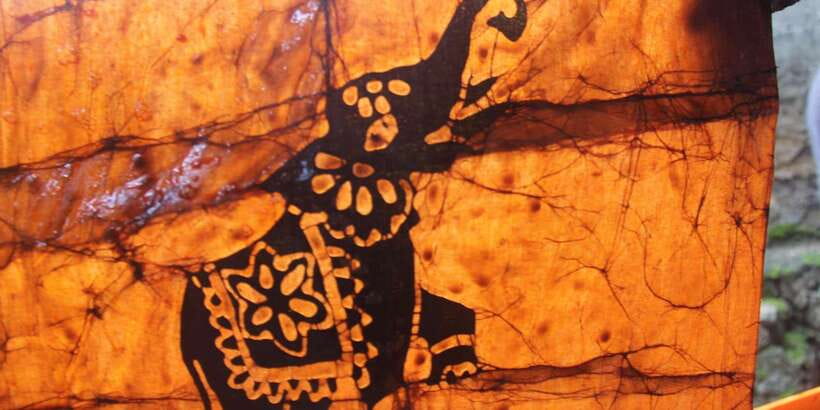
Finally, you finish with removing the wax using wax burning and wax boiling (dewaxing). This last step is the payoff. It is when your design “reveals” after the wax is dealt with, and you get to see what worked.
Wax tools and techniques: tjanting, Henry tool, stamping, and more
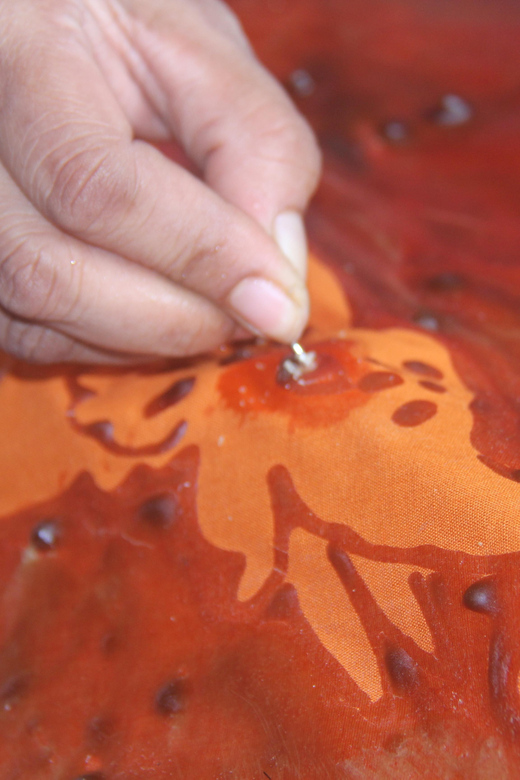
If you are wondering what makes this workshop truly interactive, it is the tool time. You do not just watch a master artist apply wax once. You actually handle the process and practice the techniques.
You are introduced to tools like a funnel, tjanting, and a Henry tool. These tools are used to apply wax with control, so you can create lines, dots, and filled areas. Even if your drawing skills are basic, the instructor can help you translate your idea into something the wax application can manage.
You will also get to try different pattern-making methods, including:
- Wax stamping, which helps create repeated motifs
- Wax spraying, which can add texture and softer edges
- Cracking, which creates a distinctive effect as wax behaves
- Brush arts, for more painterly wax marks
- Wax designing, where you build a pattern intentionally
You may have a choice between creating your own design or following a stencil. Many participants like having that option. If you feel creative, you can go freehand. If you want a safety net, a stencil can guide your first attempt.
This balance is a big part of the value. It keeps beginners from feeling lost while still letting confident makers put their own signature into the cloth. And when people have written their names in Sinhalese, they were not left to guess. The instructors guided them through how to shape letters with wax.
Within the same drive of Kandy, but a different sort of day:
- Kandy Private Guided City Tour by Tuk Tuk
★ 4.9 · 1,307 reviews - From Kandy: Sigiriya Rock & Dambulla Cave Temple Adventure
★ 4.9 · 785 reviews - Kandy to Ella Train Tickets – Reserved Seats
★ 4.5 · 523 reviews - From Kandy: Pinnawala Day Tour
★ 4.8 · 331 reviews
Dyes in plain language: napthol, vat, and reactive mixtures
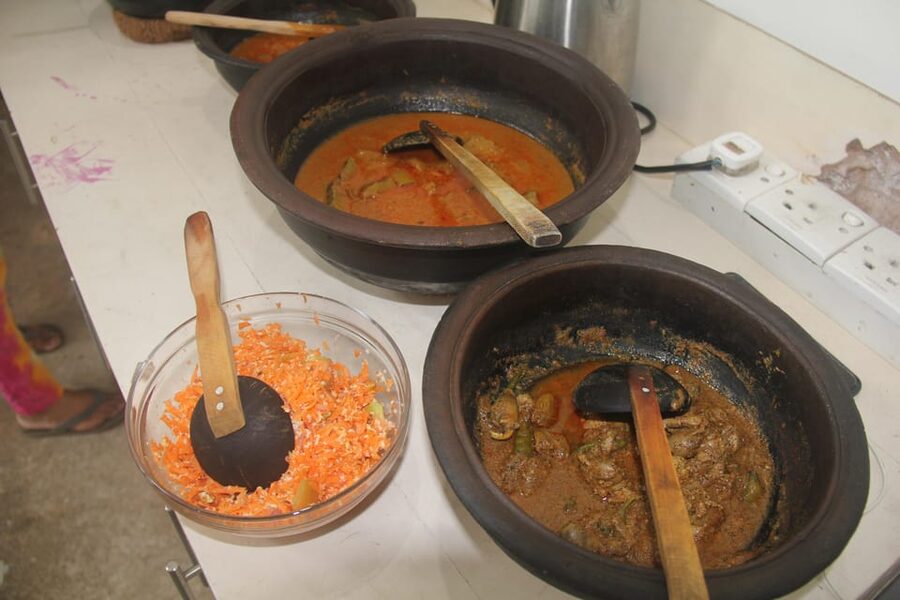
The dye segment is where batik becomes more than craft and more than art. You learn why different dye approaches are used and how they respond to waxed areas on fabric.
In this workshop, you cover napthol dyes, vat dyes, and reactive dyes, plus dye mixtures and applications. You also learn the basic techniques behind applying the dyes during your session. Even when the details are technical, instruction is in English, and the teaching style is patient. You are meant to leave with understanding you can reuse, not just a souvenir.
One of the smartest things you can do as a participant is to ask questions during dye mixing and application. If you want your colors to pop, ask what dye method tends to give stronger results. If you want subtler tones, ask about mixing ratios and application steps.
This is also a good reason the group is small, up to 10 participants. When you have more hands on the dye stage, it gets harder for the instructor to correct details. Here, you are likely to get enough time to do your colors carefully.
Finishing steps: burning, wax boiling, and the big reveal
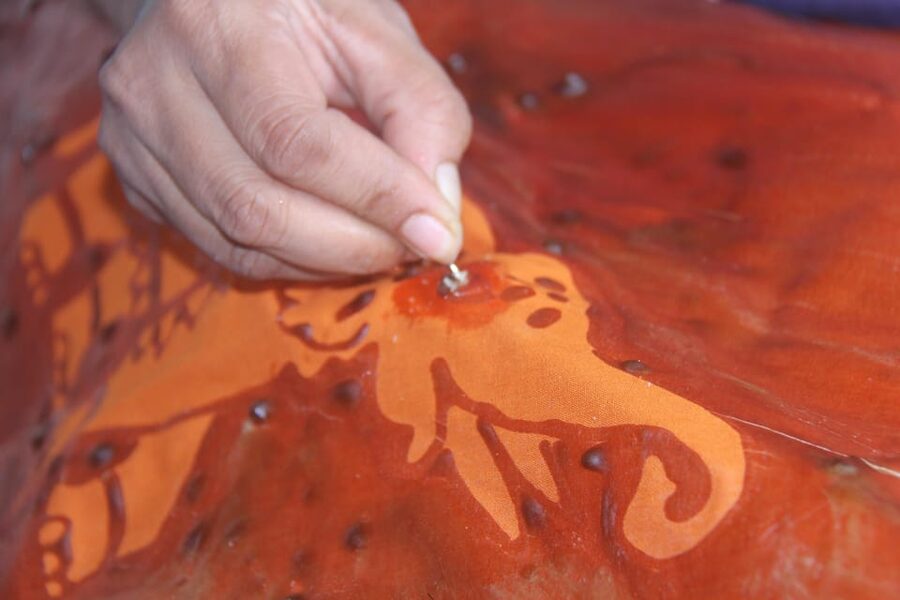
You end with wax removal, using wax burning and wax boiling (dewaxing). That is an essential part of the workshop, because it turns all your planning into the final visual.
The dewaxing phase can feel a little dramatic, but it is also cleanly structured. You will learn what happens during burning versus boiling, and how to manage the fabric safely during finishing.
This is also where you start to appreciate the process logic. If you rush waxing, the dye colors can show surprises. If you apply wax too thickly or unevenly, the final texture can change. Finishing shows you those cause-and-effect relationships.
At the end, you take your batik cloth home as your created piece. Several participants describe how proud they felt walking away with a personalized souvenir, because they made the design themselves and watched the whole sequence from wax to color to reveal.
What to wear, and how to get the most out of a hands-on morning
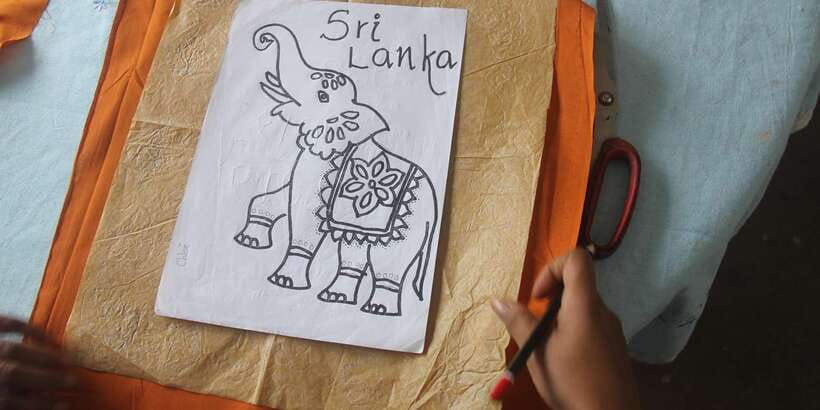
This workshop includes all tools and materials, including cloth, wax, and dyes, plus herbal tea. You do not need to buy supplies before you go.
What you do need to handle is your own comfort and clothing. Wear comfortable clothes you can move in. Because wax and dye work can get messy, bringing a change of clothes can help if you are worried about stains on what you wear.
Also think about timing. You are doing careful, detail-focused work for 3.5 hours. If you arrive in slippery sandals or something you hate getting stained, you will spend your energy worrying instead of enjoying.
If you are traveling with a partner or family member, this workshop can still work well. It is small group, not a big crowd session, so it remains focused and personal.
Finally, if you are someone who likes repeatable skills, ask how to care for the cloth after you leave. Some participants report getting instructions for handling their batik afterward, so it is worth asking on your way out.
Price and value: $28 for a full wax-to-color experience
At $28 per person, you are paying for more than a craft demo. You are paying for a structured workshop that includes:
- Hands-on creation of your own batik cloth
- Tools and equipment needed for the session
- Cloth, wax, and dyes
- Herbal tea
That combination is why the value feels fair. You are not just paying for entertainment. You are paying for guided technique, materials, and the time needed to go through waxing, dyeing, and dewaxing.
The main “tradeoff” is that lunch is not listed as included. Even so, some past participants describe additional Sri Lankan food or snacks during the visit. I would still plan your day as if you need food elsewhere, just in case your session stays limited to the included refreshments.
So who should see this as a good buy?
- You want a real skill, not just a pretty picture
- You like interactive workshops where you touch the materials
- You want a meaningful Kandy souvenir you can feel proud of
- You prefer small groups and English explanation
Who this workshop is best for, and who should skip it
This is a strong fit for anyone who enjoys hands-on work and wants to learn a traditional technique with step-by-step help. If you are traveling solo, it is also a nice way to meet people without the pressure of a busy tour bus day.
It is also a good match if you like personal details. The stencil option plus the ability to add elements like name-writing in Sinhalese make it feel customized rather than mass-produced.
There are two clear “not for everyone” notes. It is not suitable for pregnant women and people with back problems. The work involves seated, focused activity and time at tools, so take that warning seriously.
If you have mobility limitations or chronic pain, ask the operator directly whether they can adjust the setup. The provided data does not promise accommodations, so you should check before booking.
Should you book this Kandy interactive batik workshop?
If you want one Kandy activity that feels human, skill-based, and genuinely creative, I would book it. The best reason is simple: you do the work. You handle wax tools like tjanting, try multiple wax techniques, learn dye approaches such as napthol, vat, and reactive, and you finish with dewaxing to reveal your design.
Book it especially if you care about take-home value. This is the kind of souvenir you made, not something you bought, and the instructors help you get to a finished result even when you are not an expert artist.
Before you go, plan for two things. Wear clothes you can risk getting stained, and give yourself a little extra time to reach 218/6 Thalapiyannawa Rd, Ampitiya. If you do that, you will walk away with a personalized piece of batik and a clearer understanding of how the craft actually works.
FAQ
How long is the batik workshop in Kandy?
The session lasts 3.5 hours.
How much does it cost?
It costs $28 per person.
Where is the meeting point?
You meet at 218/6 Thalapiyannawa Rd, Ampitiya.
What’s included in the price?
The workshop includes hands-on experience creating your own batik cloth, all tools and equipment, the cloth, wax, and dyes you need, and herbal tea.
Is lunch included?
Lunch is listed as not included.
Is the workshop taught in English, and how many people are in a group?
The instructor provides instruction in English, and the group size is limited to 10 participants.
What should I bring, and who should avoid this activity?
Wear comfortable clothes. Bringing a change of clothes can help in case paint or dye gets on your outfit. The activity is not suitable for pregnant women or people with back problems.
Can I cancel and get a refund?
Yes. You can cancel up to 24 hours in advance for a full refund.
Recent additions in Kandy
- Udawalawe National Park Private Full-Day Safari★ 5.0 · 3 reviews
- Tuk Tuk Kandy City Tour By Local Guide★ 5.0 · 3 reviews
- White Water Rafting Kitulgala★ 4.5 · 4 reviews
- Tour to the Hidden Waterfalls around Kandy (Knuckles Range)★ 5.0 · 6 reviews
- Kandy City Tour & Famous Ambuluwawa Tower with Friendly Chauffeur★ 5.0 · 11 reviews
- Wasgamuwa National Park Safari from Kandy★ 5.0 · 3 reviews
- Waterfall Abseiling in Kitulgala★ 4.5 · 3 reviews
- Udawalawe Safari Day Tour From Kandy★ 4.5 · 3 reviews
Workshops, compared.
Organic cooking class sigiriya (kumara & family)
Read our review →
Sri Lankan Cooking Class with Neranji at Homestay
Read our review →
Traditional Jewelry Making Workshop with Transfers
Read our review →Browse the lists this tour appears in