
Reviewed · COOKING CLASSES
Kandy Cooking Class with Granny
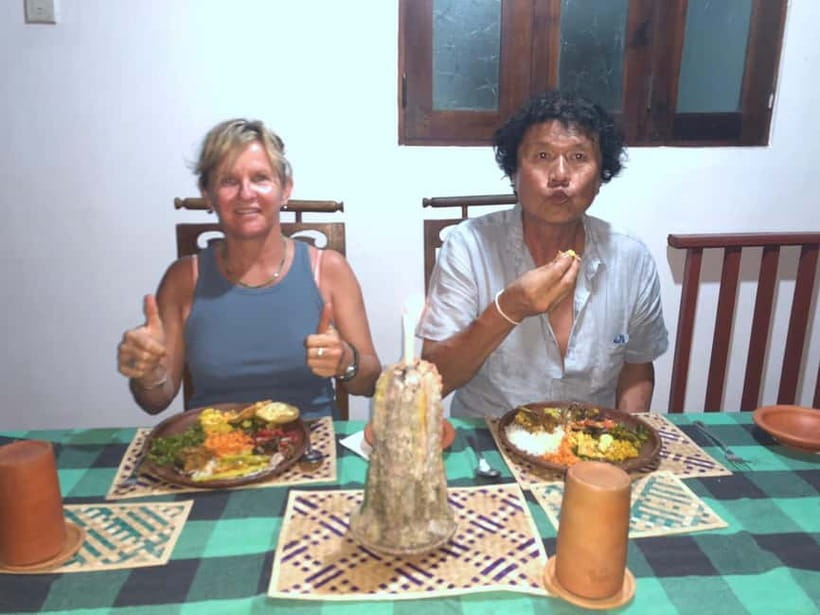
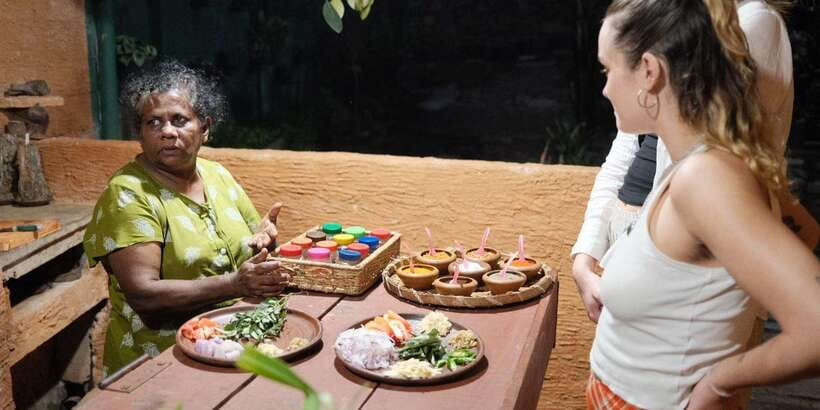
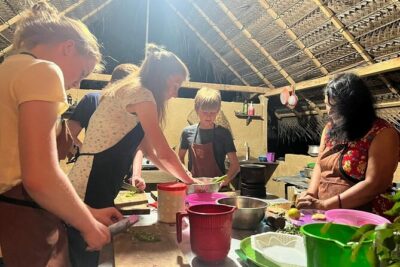
A village kitchen rewired how I cook curry. In Kandy, you’re picked up from town, then taken a short distance out to a quiet neighborhood where you cook traditional Sri Lankan meals inside a real home, not a concrete classroom. I love that it is hands-on A to Z cooking, from prep to the final curry you’ll serve and eat.
The best part for me is the way Granny Nandy runs the teaching like a family event, with clear spice guidance and lots of time to work at your own pace. One thing to plan for: return transport is extra, so budget for getting back to Kandy on your own or paying the provided option.
In This Review
- Quick Take: What Makes This Kandy Class Feel Special
- A Kandy Cooking Class That Starts With Real Village Life
- Price and Value: What $25 Buys You in Sri Lanka
- Getting There From Kandy: Pickup, TukTuks, and the Return Question
- The Optional Market Stop: Pick Ingredients, Taste Fruit, Learn What Matters
- Inside the Cooking House: What the 3.5 Hours Feel Like
- The Menu Breakdown: Rice, 7 Vegetable Curries, Sambol, Papadam, and Sweet
- Learning Spices and Coconut Milk the Practical Way
- What You Eat, How Much You Eat, and Why It Works
- Timing Options: Lunch, Midday, or Dinner Classes
- English Instruction and Private-Group Comfort
- Photos of Your Recipes: Making It Easier to Cook at Home
- Who Should Book This, and Who Might Skip It
- Should You Book the Kandy Cooking Class With Granny?
- FAQ
- How long is the cooking class?
- What does the class cost?
- Where does the class take place?
- What times are available?
- Is the instruction available in English?
- Do they offer vegan food?
- What dishes are included?
- Is hotel pickup included?
- Do I need my own transport back to Kandy?
- Is the class wheelchair accessible?
- Can I cancel and get a refund?
Quick Take: What Makes This Kandy Class Feel Special
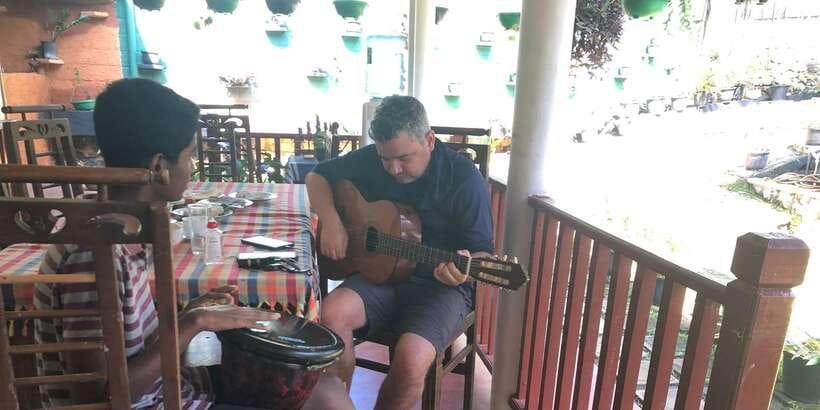
- You cook in a village house, not a commercial venue, so the whole meal feels local and lived-in
- Granny Nandy leads the class in English, with step-by-step coaching as you cook
- You make a full spread, including rice, multiple vegetable dishes, and a curry with fish or chicken
- A market stop can be part of the experience, letting you choose ingredients and taste seasonal fruit
- You leave with photos of your recipes, so recreating the dishes later is much easier
A Kandy Cooking Class That Starts With Real Village Life
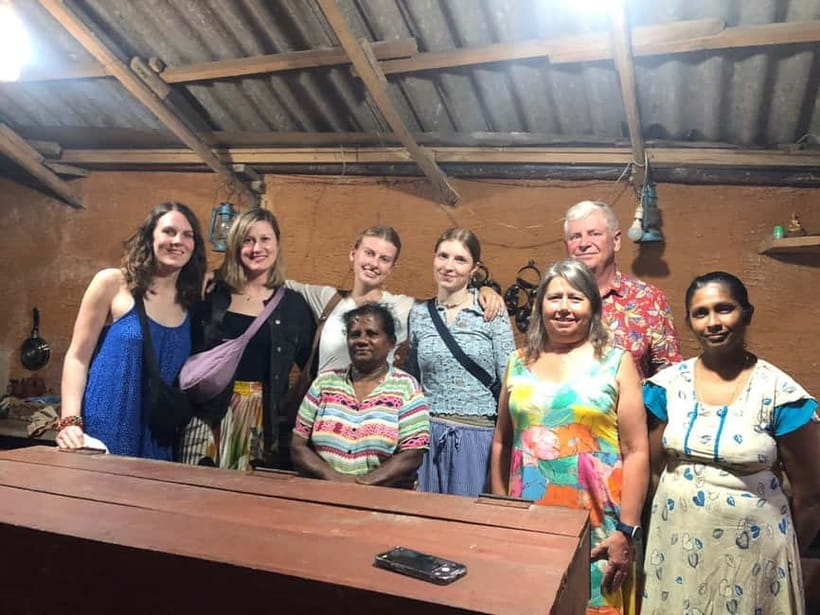
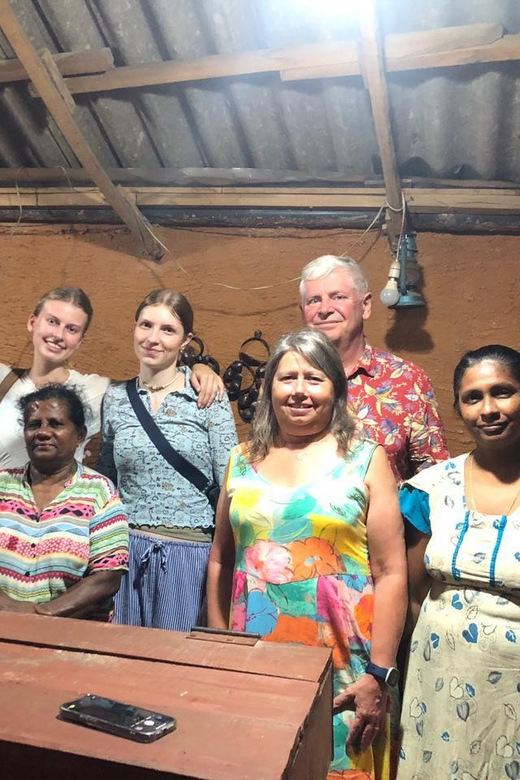
Kandy is famous for views and temples, but this experience adds something practical and memorable: you get to cook Sri Lanka on your own stove, with the smells and spice logic that locals use every day. The setting is a big part of why it works. You’re not sent to a restaurant kitchen. You’re taken to a quiet residential area outside the city, about 6.5 km away, in a village environment.
That change matters. Cooking lessons can feel staged when they happen in a modern room. Here, the vibe is more like visiting someone’s home and learning how they feed a family. The day menu also varies by what they’re training on, so you’re not guaranteed the exact same list every time you book.
If you’re the type of person who likes to understand food, not just eat it, this is your lane. You’ll learn why certain spices go in early, how coconut milk changes the curry, and how vegetable curries can taste deep without being complicated.
More Cooking Classes in Kandy
- Kandy Village Cooking Class
★ 5.0 · 536 reviews - Private Traditional Sri Lankan Cooking Class in Kandy with Hotel Transfers
★ 5.0 · 115 reviews - Cooking With Village Family
★ 5.0 · 104 reviews
Price and Value: What $25 Buys You in Sri Lanka
At around $25 per person for a 3.5-hour session, this is good value if you want the kind of lesson where you actually cook. You’re not paying only for eating a meal. You’re paying for ingredient guidance, spice explanations, and time working hands-on with what you learn.
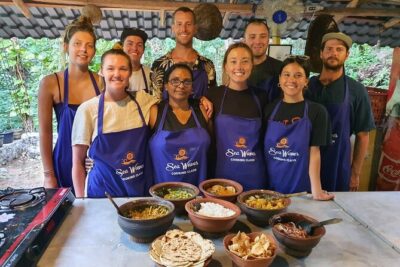
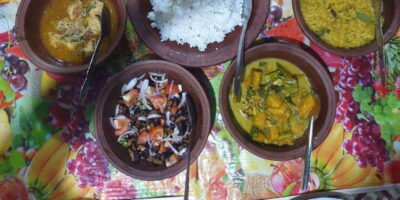
Your included spread is the key value driver. The class typically covers:
- rice
- 7 vegetables
- fish or chicken curry (depending on the menu and your preferences)
- a traditional Sri Lankan sweet
- coconut sambol
- papadam
Add in the teaching time, and it becomes clear why people call this a highlight. Even if you only nail one curry, you still walk away with a realistic template for making the rest. And if you’re traveling with someone who thinks cooking classes sound boring, the amount of food and the social, family-style setting often wins them over.
One more practical point: the menu includes both vegetable curries and protein curry. If you’re looking for pure vegetarian learning, you’ll want to confirm how the class adapts. They do mention vegan foods are available, and they can include egg, chicken, or fish if you want that style. So you have options, but you should ask what will be cooked on your specific day.
Getting There From Kandy: Pickup, TukTuks, and the Return Question
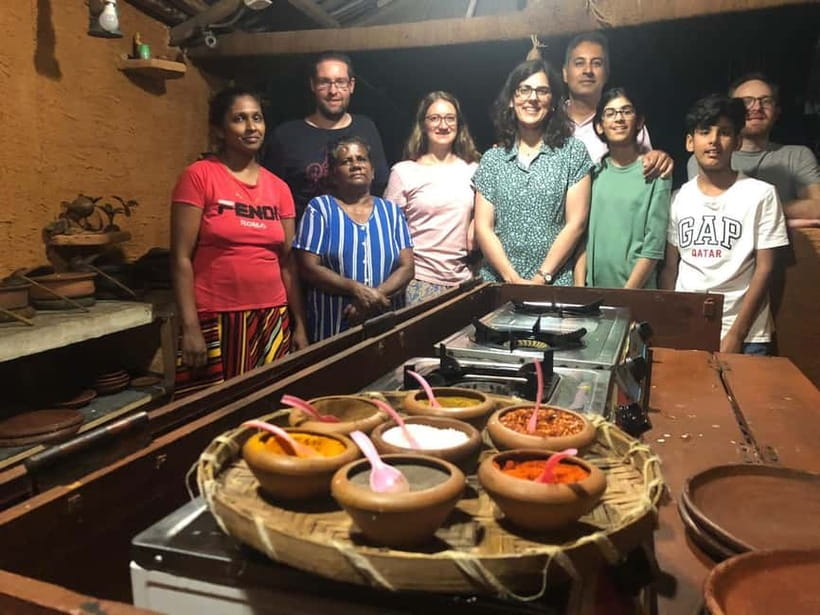
You’ll start with pickup from your Kandy hotel area. The included pickup radius covers Kandy and around 3 km around Kandy, and you’ll then travel up to the village home.
Many people end up riding in a tuk tuk to get there, and that part feels like fun, not just transport. You’re going into hillside areas and away from traffic, so the ride itself becomes part of the transition into a slower pace. Also, because you’re out of the city, you should expect cooler, quieter surroundings than you get in central Kandy.
The return is the one logistics detail you should not ignore. Return transport is extra, and you’ll either need to arrange your own ride back or pay for the provided option. One small adjustment that helps: set a plan before you’re hungry. Ask your driver what time they’ll expect you back, and confirm where you’ll be dropped.
If you like travel days that are smooth and predictable, this is manageable. Just don’t assume the return is fully covered, because it isn’t.
The Optional Market Stop: Pick Ingredients, Taste Fruit, Learn What Matters
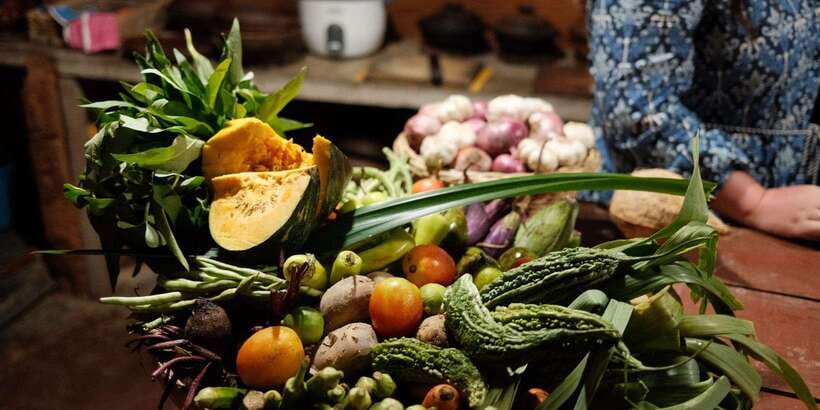
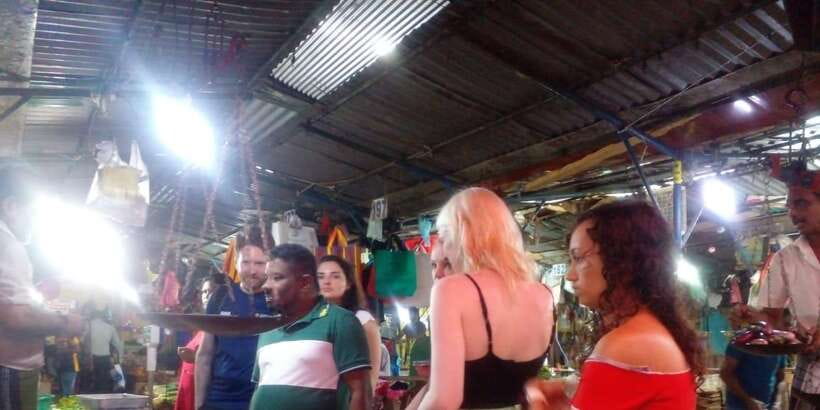
One of the most praised moments is the start of the experience, when you might go to a local market with a guide from the family. In some sessions, you’re taken first to buy vegetables and choose ingredients, and you get guidance on what you’re seeing. It’s not a rushed photo stop. You get time to understand produce and why certain items work well in Sri Lankan cooking.
You may also taste seasonal fruit along the way, including fruit types mentioned like bananas, mango, and passionfruit. Even if you already know the fruits, the context changes how you think about flavor. Sri Lankan cooking often treats fruit, coconut, and spice as partners, not distractions.
If you’re the type who likes learning by doing, the market part is a bonus because it connects the curry to the ingredient story. You’ll recognize what went into your cooking later, which makes the recipes easier to reproduce at home.
Tip: wear shoes you can stand in, because market time often involves walking and browsing.
Within the same drive of Kandy, but a different sort of day:
- Kandy Private Guided City Tour by Tuk Tuk
★ 4.9 · 1,307 reviews - From Kandy: Sigiriya Rock & Dambulla Cave Temple Adventure
★ 4.9 · 785 reviews - Kandy to Ella Train Tickets – Reserved Seats
★ 4.5 · 523 reviews - From Kandy: Pinnawala Day Tour
★ 4.8 · 331 reviews
Inside the Cooking House: What the 3.5 Hours Feel Like
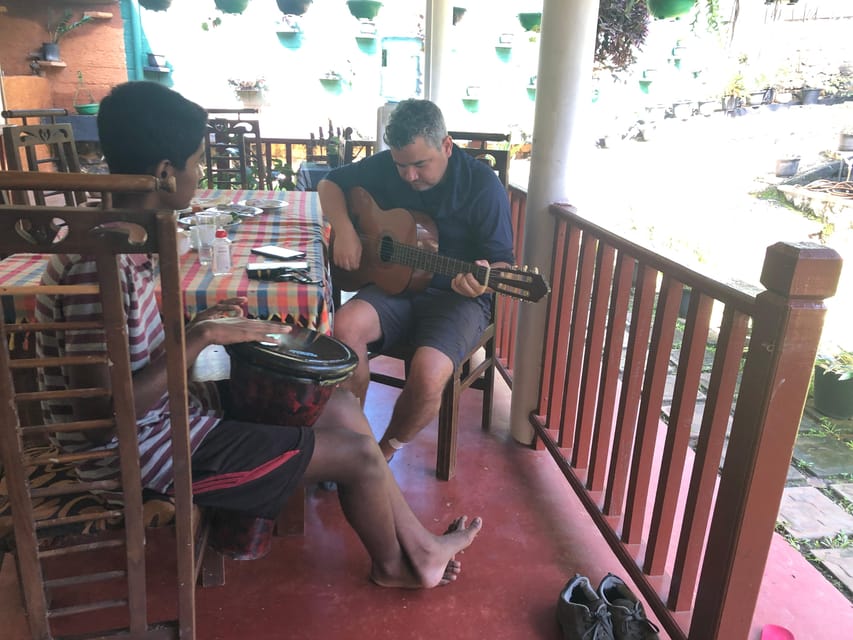
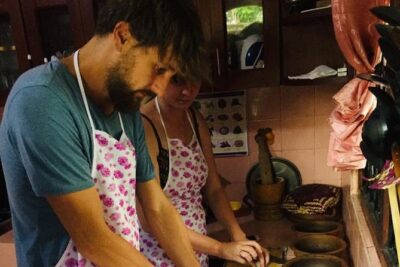
The class is designed around active participation. You’re not watching someone cook from a distance. You’ll prep and cook along with the instruction, guided by Granny Nandy and helpers. The teaching style is practical and step-by-step, with explanations on spices and techniques as you need them.
Even though the total time is usually 3 to 4 hours, the pace can change based on how much you’re enjoying the hands-on parts. That sounds obvious, but it’s worth saying. Some cooking classes move fast and leave you anxious. This one gives you time to get comfortable with cutting vegetables, handling spices, and understanding the flow of cooking.
You’ll likely start with foundational elements like preparing rice and setting up spice work, then move into curries and side dishes. Coconut sambol is typically part of the finished spread, and you’ll also make papadam, which rounds out the meal nicely.
A helpful mindset: don’t chase perfection. Chase process. If you can follow what Granny Nandy shows you, you’ll be able to replicate it later, even if your curry looks slightly different the first time at home.
The Menu Breakdown: Rice, 7 Vegetable Curries, Sambol, Papadam, and Sweet
This is where the experience earns its reputation. The included meal plan is built to show you how Sri Lankan cooking uses layers, not just heat.
Here’s what you can expect to cook:
- Rice: the base, but also the measuring cup for how spicy and flavorful the curries should feel
- 7 vegetable dishes: this is the learning engine. You’ll see how different vegetables respond to coconut milk, spice blends, and cooking time
- Fish or chicken curry: included as part of the menu, depending on your session and preferences
- Coconut sambol: a bright, coconut-driven side that balances curry richness
- Papadam: crisp texture and a classic accompaniment
- Traditional Sri Lankan sweet: your sweet ending, tied to the local flavor traditions
Vegetable curries can sound simple on paper, but the way Sri Lankan cooks handle spice timing changes the result. Some vegetables soften quickly and need different attention than harder ones. That’s why the hands-on part matters. You learn how to watch, not just follow.
Also, if you have dietary needs, it helps that vegan food is mentioned as available. You can also bring up whether you want egg, chicken, or fish included. Since the menu varies by day, confirm your preferences before the class starts so the cooking matches what you want to learn.
Learning Spices and Coconut Milk the Practical Way
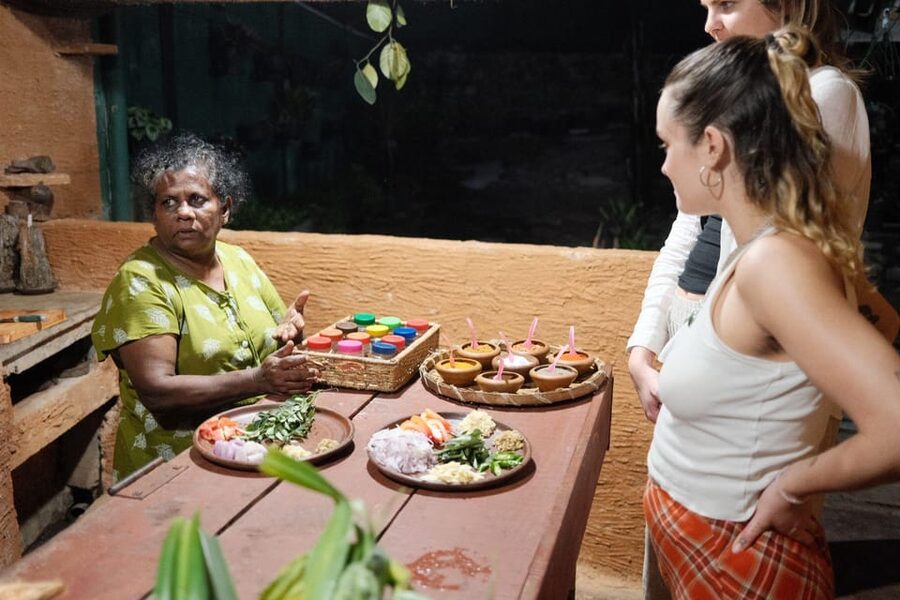
Sri Lankan flavor often comes from smart spice work plus coconut milk. This class teaches both, and it does it in a way that sticks.
You’ll get explanations on:
- the spices used in Sri Lankan cooking
- how to use coconut milk to shape the texture and taste of curry
- how to cook different vegetables with the spices you learn
A lot of cooking classes show spices as a static ingredient list. Here, it’s more about the workflow. When you know the why, you don’t need the exact brand of spice back home. You can adjust.
If you’re worried about your cooking skills, don’t. The teaching is designed for regular people, not just chefs. Many participants mention feeling supported even with limited cooking experience, because Granny Nandy and helpers guide you step-by-step as you work.
What You Eat, How Much You Eat, and Why It Works
This is not a light snack lesson. You end up with a lot of food, and it’s tied to the things you cooked. That is the difference between a cooking class and a cooking demo. You’ll sit down and enjoy the spread while it’s still fresh, and you’ll also understand how all the parts fit together.
Typical meals include the rice, vegetable curries, sambol, papadam, and the sweet. If the menu also includes a fish or chicken curry, you’ll taste that too. The result is a full Sri Lankan plate, not “one curry and some sides.”
The practical takeaway: once you’ve made a spread like this, you can stop guessing what goes with what. Coconut sambol makes sense after you taste it beside your curry. Papadam makes sense after you handle it. The sweet ending feels like part of the meal, not an afterthought.
Timing Options: Lunch, Midday, or Dinner Classes
You can choose a session depending on your schedule. The class runs in blocks that total about 3.5 hours:
- Lunch class 9:00am to 12:30pm
- Midday class 1:00pm to 4:30pm
- Dinner class 5:00pm to 8:30pm
Dinner is especially popular because you get a relaxed pace, and the village surroundings can feel more atmospheric. But don’t overthink it. Any session gives you the same core learning style and the included menu structure.
One planning tip: if you’re heading straight back to sightseeing after the class, the dinner option might leave you with very little energy. Lunch or midday can fit better if you want the same day for temples and lakes.
English Instruction and Private-Group Comfort
Instruction is in English, which helps you understand spice choices and cooking steps clearly. The class is also set as a private group, so you’re not packed into a huge crowd. That tends to make the teaching more personal, and it also means you can ask questions without waiting for someone else to finish.
If you’re traveling as a couple, this format is great. If you’re a solo traveler, it can feel like a small, welcoming family gathering rather than a group event where you stay quiet.
Also, because it is private, it tends to work well for different cooking comfort levels. If you want to cook more or just watch a bit more at first, you’ll usually find it easier than in a mass group class.
Photos of Your Recipes: Making It Easier to Cook at Home
After the class, you can be sent photos of the recipes you cooked. This is a small detail, but it matters. When you cook at home later, the hardest part is remembering the exact shapes, prep steps, and which spice blend went with which dish.
Photos give you a visual reminder, so you can rebuild the meal more confidently. And once you’ve made curry components in one session, you’ll usually find it easier to scale up at home.
If you’re the kind of traveler who hates taking home only screenshots, this helps you take home something you can actually cook.
Who Should Book This, and Who Might Skip It
This class is a great match if you want:
- hands-on cooking practice with clear guidance from Granny Nandy
- a village setting outside central Kandy
- multiple vegetable curries plus classic sides like coconut sambol and papadam
- a meal that feels substantial and satisfying, because you cooked it
It also suits food lovers who want to learn how spices and coconut milk work together, not just how to follow a recipe.
Who might want to reconsider: the class is not suitable for wheelchair users, based on the provided information. If mobility is limited, ask about accessibility before you book.
Should You Book the Kandy Cooking Class With Granny?
Yes, if you want a Kandy experience that’s more than sightseeing and more than eating. For about $25 you get a full Sri Lankan cooking session that includes a big spread of dishes, plus teaching on spices and core techniques like coconut milk cooking. The village home setting, led by Granny Nandy, is the reason this feels warm and memorable, not just educational.
I’d book it if you’re excited to get your hands dirty in the kitchen and you’d enjoy learning by doing, rice first, then curries, sides, and sweet. Just plan your return transport cost ahead of time, and you’ll walk away with food you can actually recreate, not just photos to scroll later.
FAQ
How long is the cooking class?
The class runs for about 3.5 hours, though lessons can vary and may run up to 3 to 4 hours.
What does the class cost?
The price is $25 per person.
Where does the class take place?
It takes place in a village area outside Kandy, about 6.5 km away from the city, in a residential setting.
What times are available?
You can choose a lunch session (9:00am to 12:30pm), a mid day session (1:00pm to 4:30pm), or a dinner session (5:00pm to 8:30pm).
Is the instruction available in English?
Yes. The instructor teaches in English.
Do they offer vegan food?
They do vegan foods. They can also include egg, chicken, or fish if you want those options.
What dishes are included?
The included items include rice, 7 vegetables, coconut sambol, papadam, a traditional sweet, and fish or chicken curry as part of the menu.
Is hotel pickup included?
Yes. Pickup is included from Kandy and about 3 km around Kandy.
Do I need my own transport back to Kandy?
Return transport from the class to Kandy is extra. You can arrange your own, or you can pay for the return option they provide.
Is the class wheelchair accessible?
No, it is not suitable for wheelchair users.
Can I cancel and get a refund?
You can cancel up to 24 hours in advance for a full refund.
Recent additions in Kandy
- Udawalawe National Park Private Full-Day Safari★ 5.0 · 3 reviews
- Tuk Tuk Kandy City Tour By Local Guide★ 5.0 · 3 reviews
- White Water Rafting Kitulgala★ 4.5 · 4 reviews
- Tour to the Hidden Waterfalls around Kandy (Knuckles Range)★ 5.0 · 6 reviews
- Kandy City Tour & Famous Ambuluwawa Tower with Friendly Chauffeur★ 5.0 · 11 reviews
- Wasgamuwa National Park Safari from Kandy★ 5.0 · 3 reviews
- Waterfall Abseiling in Kitulgala★ 4.5 · 3 reviews
- Udawalawe Safari Day Tour From Kandy★ 4.5 · 3 reviews
Cooking Classes, compared.
Organic cooking class sigiriya (kumara & family)
Read our review →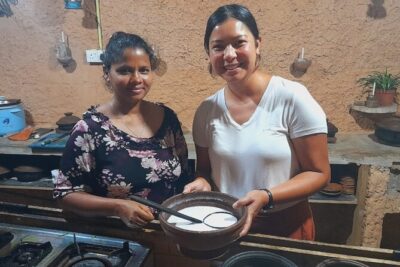
Sri Lankan Cooking Class with Neranji at Homestay
Read our review →
Browse the lists this tour appears in