
Reviewed · COOKING CLASSES
Ella Sri Lanka : Mom’s Kitchen Cooking class
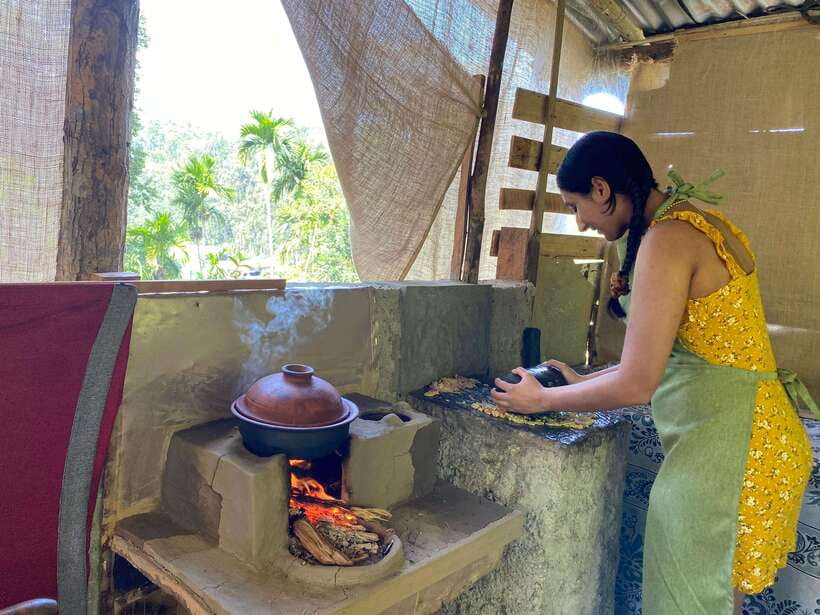
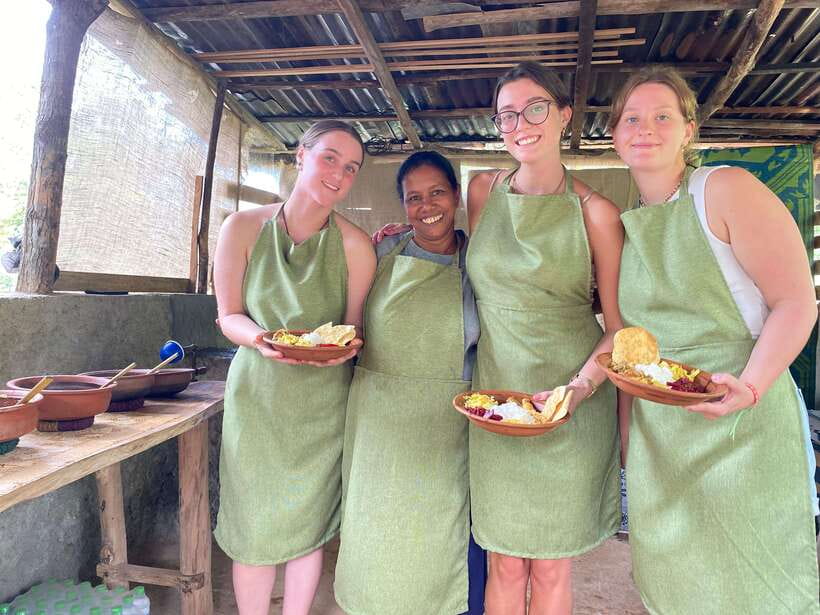
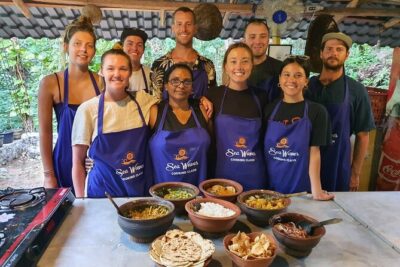
Fire and spices, right where you cook. This small-group class in Ella feels personal because it is run from a real home kitchen, taught by the mother-daughter team of Kamala and Irosha. I love that you do the work yourself, not just watch, and you leave with practical know-how you can actually use later.
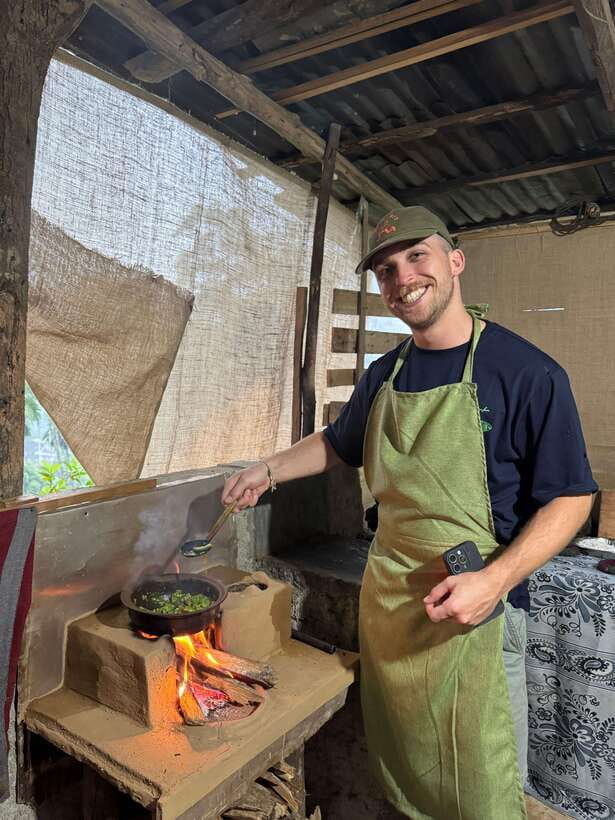
Two things I especially like: the outdoor cooking setup (including cooking on fire and using traditional tools like stone grinding) and the take-home recipes shared after the class, with many guests receiving them via WhatsApp. The food comes out fast, too, because they focus on simple Sri Lankan methods using a handful of ingredients.
One possible drawback: you need to be comfortable with hands-on cooking over heat sources outdoors, and that can mean a bit more effort if you prefer a clean, indoor-only kitchen.
In This Review
- Key things to look forward to
- Cooking in Ella’s real home kitchen, not a show kitchen
- The first part of class: welcome, tools, and spice basics
- Outdoor kitchen setup and traditional methods you can see
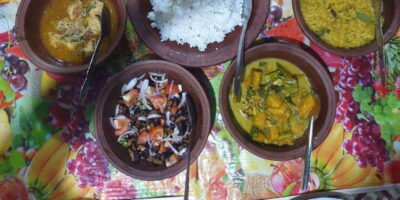
- What you actually cook: curries, coconut sambol, papadam, and friends
- The meal at the end: why the communal table matters
- Instructor energy: Kamala and Irosha keep it clear and fun
- Time, group size, and what $20 buys you in real value
- Practical tips so your class goes smoothly
- Who should book this cooking class, and who might want another option
- Should you book Mom’s Kitchen in Ella?
- FAQ
- Where is Ella Mom’s Kitchen Cooking class located?
- How long is the cooking class?
- How much does the class cost?
- Is it a small group experience?
- What is included in the price?
- What will I be cooking during the class?
- Do you get recipes to take home?
- Do they accommodate dietary requests?
Key things to look forward to
- A mother-daughter team (Kamala and Irosha) teaching in clear, friendly English
- Outdoor cooking from a home kitchen, with fire cooking and traditional techniques
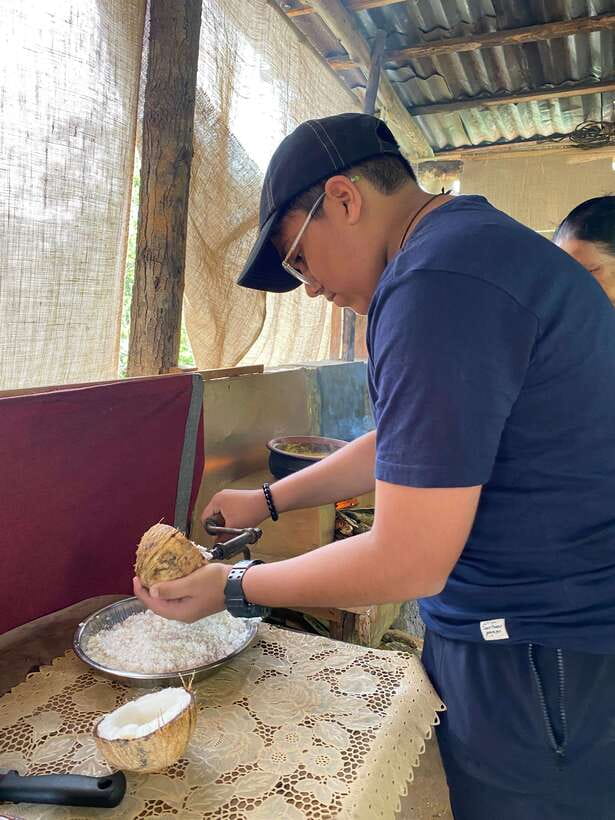
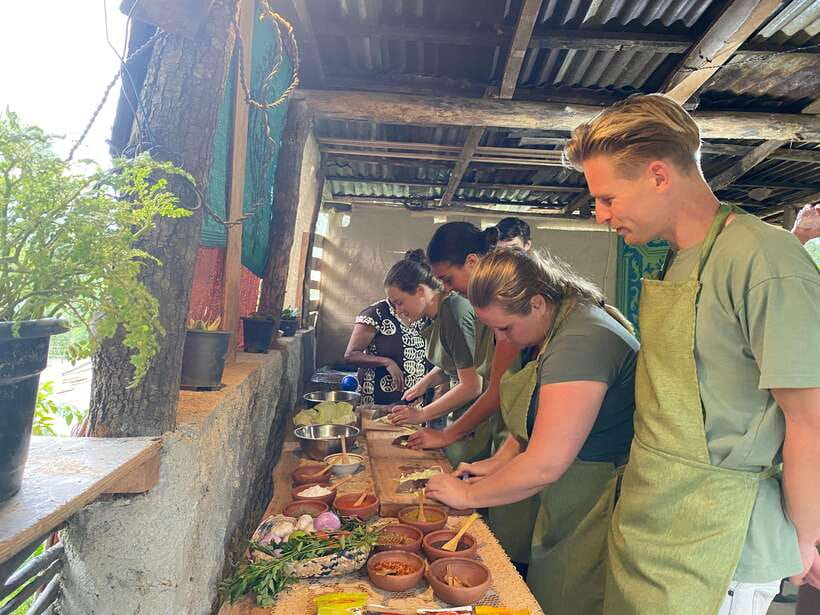
- Hands-on prep for everything, from chopping and grating coconut to frying and mixing
- Simple Sri Lankan recipes you can reproduce at home, often using the same spice base
- A full communal meal after cooking, eaten together with your group
- Small group size (up to 6), so you get real time at the stove
Cooking in Ella’s real home kitchen, not a show kitchen
Ella is full of food experiences, but this one hits a different note because it is family-led. You start in a home setting and quickly shift into active cooking, with Kamala and Irosha guiding you step by step. The vibe is relaxed, practical, and warm, like you got invited to help cook for the table.
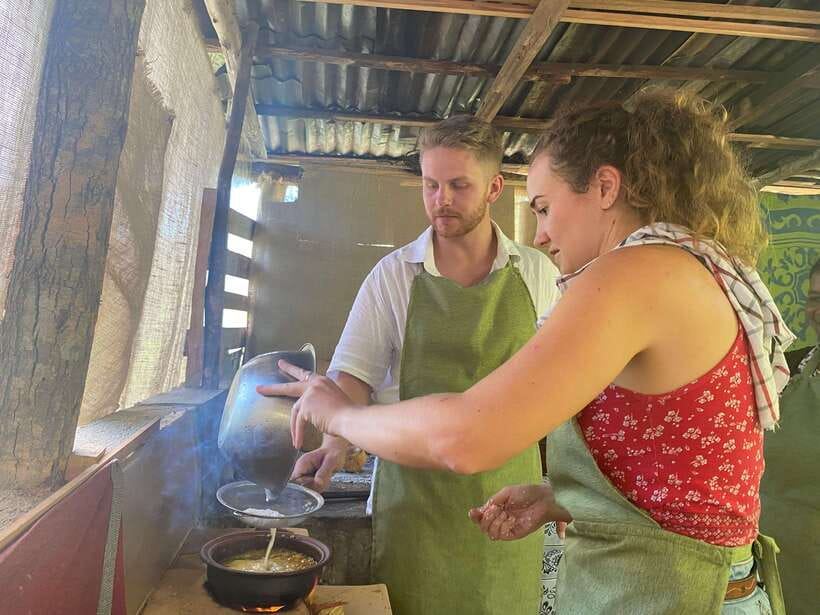
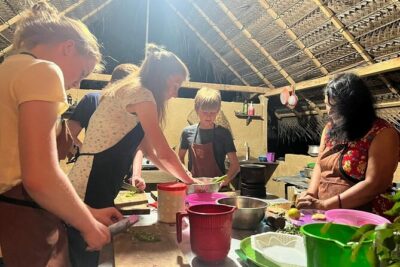
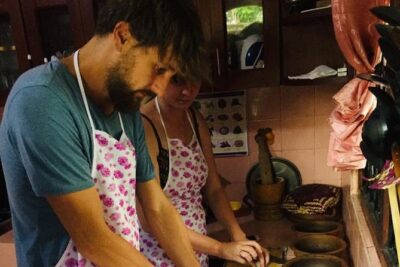
The class is designed for hands-on learning. You are peeling, chopping, grinding spices, mixing sauces, and cooking on fire or gas depending on the moment. In other words, you get the feel for how Sri Lankan cooking actually works at home, not how it looks in a restaurant kitchen.
You are also not stuck on theory. They explain what ingredients do and why certain steps matter, then they give you time to try it yourself. That is the difference between eating curry and learning how to make curry.
More Cooking Classes in Ella
- Ella: Traditional Sri Lankan Cooking Class
★ 4.9 · 788 reviews - Ella: Sri Lankan Cooking Class with Neranji at Homestay
★ 5.0 · 276 reviews - Ella : Cooking class with amazing Spice Garden Tour
★ 5.0 · 239 reviews
The first part of class: welcome, tools, and spice basics
The flow usually starts with a welcome and an overview of what you will make that day. Then you get oriented to the kitchen and the cooking tools. This matters more than it sounds. When you know what tools you are using, you understand how the flavors are built.
You will also get a quick education on the spices and spice work. Multiple guests mention learning about spice preparation techniques and how simple recipes can still taste deep. You get to see how spices are combined and how aromatics are handled, including steps like aromatizing oil and seasoning carefully.
And because it is a small group, you can ask questions without feeling rushed. That is a quiet advantage in cooking classes. When you can clarify a step on the spot, you leave with fewer “mystery moments” to solve later.
Outdoor kitchen setup and traditional methods you can see
The cooking space is a standout. It is outdoors, with guests describing it as beautiful and surrounded by nature. Some people even mention a view from the outdoor area, and one group talked about watching birds and a squirrel during the meal. That kind of detail makes the experience feel grounded in Ella, not staged for tourists.
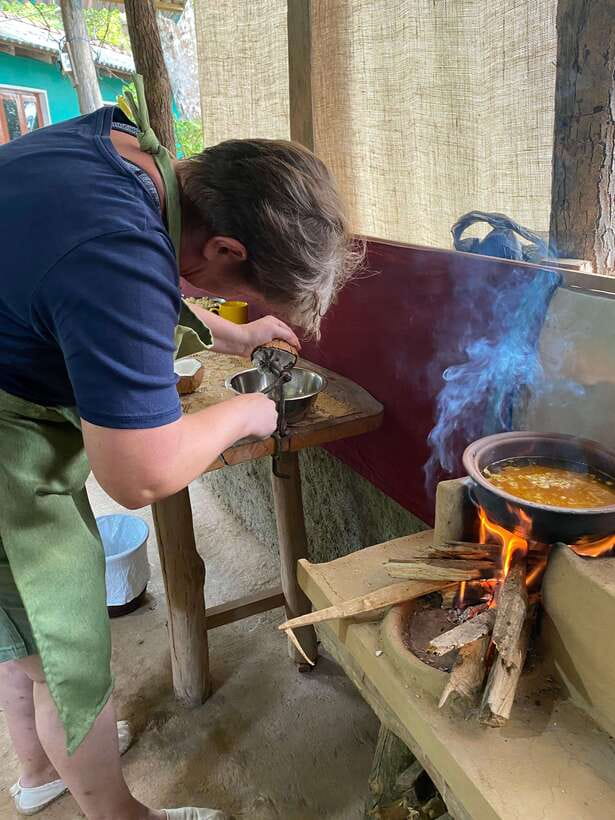
Traditional methods show up in the work. You might cook over a woodfire stove and use traditional equipment like stone grinding for spices, which helps you understand how the texture and fragrance of spices change when they are processed the local way. You also get to crack fresh coconut and grate it, which is more than a fun task. Fresh coconut changes how coconut sambol tastes.
There is also a consistent note about food handling and hygiene. Guests specifically mention clean cooking areas and good hygiene standards. That is worth paying attention to, especially when food is handled in outdoor spaces.
What you actually cook: curries, coconut sambol, papadam, and friends
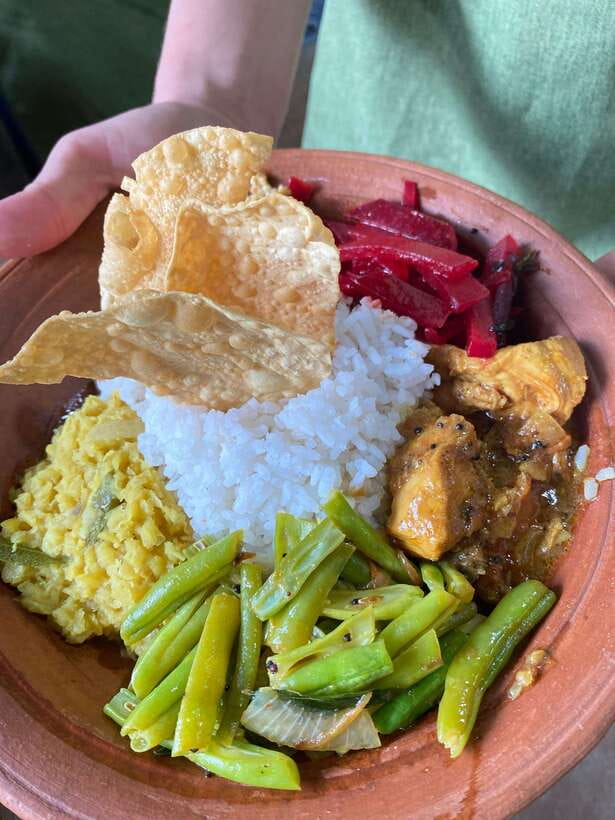
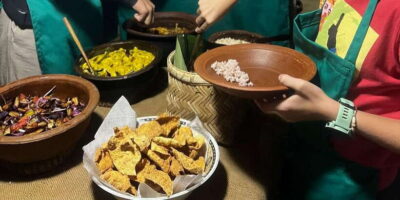
Even though every class can vary a bit, the center of the experience is Sri Lankan rice-and-curry cooking. Many groups mention preparing several curries, often four to six in a single session, plus sides like coconut sambol and papadum or poppadoms.
The work usually looks like this, in practical terms:
- prepping ingredients: peeling, chopping, washing
- making spice mixes: grinding spices, portioning and combining them
- building flavor: aromatizing oil, cooking aromatics properly
- finishing: mixing, seasoning, and adjusting taste while cooking
- frying or toasting items like papadum/poppadoms
One guest described cooking as a full team effort, with everyone involved in tasks like cracking and grating coconut, cooking on fire and gas, and even mixing and seasoning. That is typical here. You do not sit back waiting for a dish to be handed to you. You help create the dishes that later land on your plate.
A helpful detail from the reviews: many recipes use the same spice base, so once you learn the foundation, you can reuse it across multiple curries. That means the class teaches flavor logic, not just a list of unrelated recipes.
More cooking classes in Ella Sri Lanka:
- Ella: Sri Lankan Authentic Cooking expirience
★ 5.0 · 59 reviews - Private cooking class – Personalized classic menu
★ 5.0 · 5 reviews - Organic cooking class sigiriya (kumara & family)
★ 5.0 · 650 reviews - Kandy Village Cooking Class
★ 5.0 · 536 reviews
The meal at the end: why the communal table matters
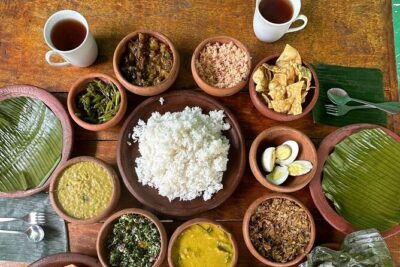
After cooking, you eat what you made together. This is included in the price, and it is not just a formality. The meal is where the lesson clicks.
When you taste each curry and side you helped create, you can connect the dots between steps and flavor. Why did the aromatics smell different after being cooked a certain way? What did grinding spices do to the fragrance? Why did seasoning at the end matter? Eating right away helps answer those questions.
Groups describe the meals as generous, with plenty of food. People also mention that the results can beat what they had at restaurants, mainly because the food tastes fresher and more intentional when you cooked it yourself.
Instructor energy: Kamala and Irosha keep it clear and fun
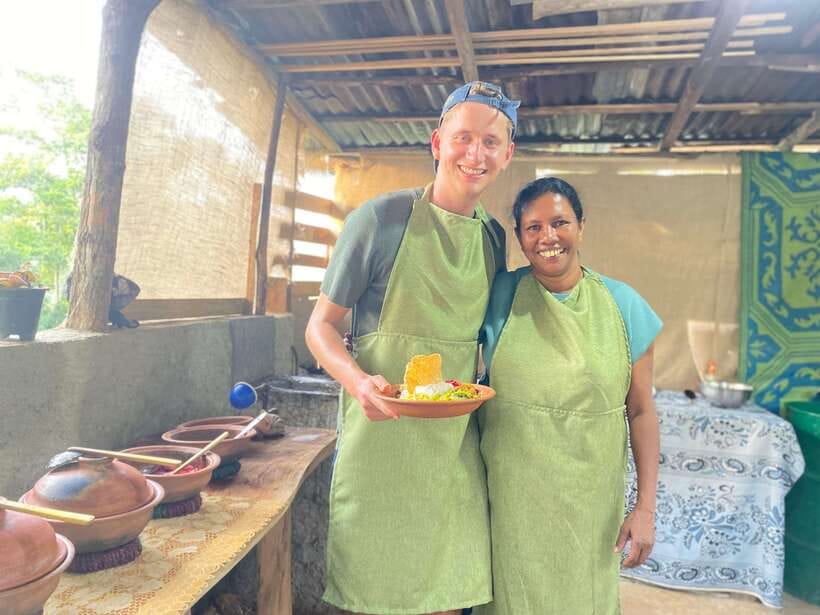
A lot of cooking classes are friendly, but this one gets praised for how well it is taught. Many guests mention Kamala and Irosha working smoothly as a team. Kamala is described as highly experienced and able to teach recipes from memory, while Irosha is praised for clear explanations and fluent English.
That matters because Sri Lankan cooking can feel intimidating at first, especially if you are trying to match spice textures and cooking rhythms. Clear instruction helps you focus on the right things, like when oil is ready for aromatics, how to handle spice mixes, and how to season with confidence.
You also get a relaxed social atmosphere. More than one review mentions laughter and feeling at home. When the atmosphere is comfortable, you are more willing to try tasks you might normally avoid, like stone grinding or cracking fresh coconut.
Time, group size, and what $20 buys you in real value
The class runs about 2 hours and is limited to up to 6 participants. That small size is a big part of the value. In a larger class, you often wait your turn. Here, you get enough space to actually work the ingredients, which is the whole point of a cooking class.
At $20 per person, you are paying for three things:
1) the ingredient base and local sourcing
2) guided cooking time with a real family team
3) a full meal at the end
And the best part is what you bring home mentally. Multiple guests say they left confident they could recreate the dishes. Some mention receiving recipes via WhatsApp and others receiving copies. That recipe handoff turns the class into an investment, not just a one-time experience.
If you like food that is simple but built with technique, this price feels fair. If you only want a quick snack tasting, you might be better off doing a street food stop instead. But if you want to learn curry and sides, this is strong value for Ella.
Practical tips so your class goes smoothly
A few things will help you get the most out of it, based on the style of cooking and what guests highlighted:
Wear clothes you are okay with getting splashed. Outdoor cooking and curry prep can be messy in a normal, human way.
Be ready to do spice and grating tasks. Guests repeatedly mention hands-on work, including coconut prep and spice grinding, so bring a mindset of participation.
Ask questions during the prep, not only at the end. The class format gives you time for interaction, and you will learn faster if you clarify steps as they happen.
If you have dietary needs, raise them early. At least one review mentions the hosts were accommodating with dietary requests, but specific needs are not listed in the tour details, so it is smart to confirm ahead of time.
Take notes or photos when permitted, especially around spice quantities and timing. The class focuses on quick, time-saving tips, but you still want to remember the sequence.
Who should book this cooking class, and who might want another option
This is a great fit if you:
- want a hands-on Sri Lankan cooking experience in Ella
- like outdoor food settings with real tools and real people
- want to learn how to build flavor with spices and aromatics
- care about leaving with recipes you can cook later
It might be less ideal if you:
- prefer a fully indoor, lab-like cooking environment
- have limited comfort with outdoor heat sources
- want only tasting with minimal prep work
The class also works well for couples and small groups. Solo travelers can often enjoy the focused attention that a small group format creates. Families may also like it if kids can handle active cooking tasks, though that depends on the day and the child.
Should you book Mom’s Kitchen in Ella?
Yes, if your goal is to learn Sri Lankan rice and curry cooking the home way. The standout strengths are the hands-on instruction, the outdoor traditional setup, and the fact that you leave with recipes and confidence. Kamala and Irosha come across as warm teachers who keep things clear, with a teaching style that makes you feel capable rather than lost.
Book it if you want something more authentic than a tasting session, and if you enjoy cooking alongside locals. At $20 for a 2-hour class with a meal and take-home recipes, it is one of the more practical “do this now, cook it again later” activities in Ella.
FAQ
Where is Ella Mom’s Kitchen Cooking class located?
The experience is listed in Ella, in Sri Lanka’s Eastern Province.
How long is the cooking class?
The class duration is 2 hours.
How much does the class cost?
The price is $20 per person.
Is it a small group experience?
Yes. The class is limited to a small group of up to 6 participants.
What is included in the price?
The included items are the cooking class, locally sourced ingredients, and the meal you eat at the end.
What will I be cooking during the class?
You’ll prepare traditional Sri Lankan recipes and, in many sessions, that includes multiple curries plus sides such as coconut sambol and papadam or poppadoms. The class format also mentions preparing appetizers, main courses, and dessert.
Do you get recipes to take home?
Yes. Reviews mention that you receive recipes to take home, including some guests getting the recipes via WhatsApp after the class.
Do they accommodate dietary requests?
One review mentions the hosts were accommodating to dietary requests. The tour details do not list specific diets, so it is best to confirm your needs with them when you book.
Recent additions in Ella Sri Lanka
- Zip Lining in Ella★ 4.5 · 16 reviews
- Yala National Park – Safari Tour with Hotel / Accommodation★ 4.7 · 31 reviews
- Yala Block 5: Private Morning or Evening Safari★ 4.3 · 4 reviews
- Sri Lanka private tour package 10 Days. and luxury hotel★ 5.0 · 3 reviews
- Sri Lanka Private 10-Day Round Tour Car, Guide, Hotels, Food★ 4.8 · 10 reviews
- Private cooking class – Personalized classic menu★ 5.0 · 5 reviews
- Get a private driver for day tours around Sri Lanka★ 5.0 · 18 reviews
- From Tangalle/Hiriketiya: Ella Transfer & Udawalawe Safari★ 4.7 · 12 reviews
Cooking Classes, compared.
Organic cooking class sigiriya (kumara & family)
Read our review →
Sri Lankan Cooking Class with Neranji at Homestay
Read our review →
Browse the lists this tour appears in