
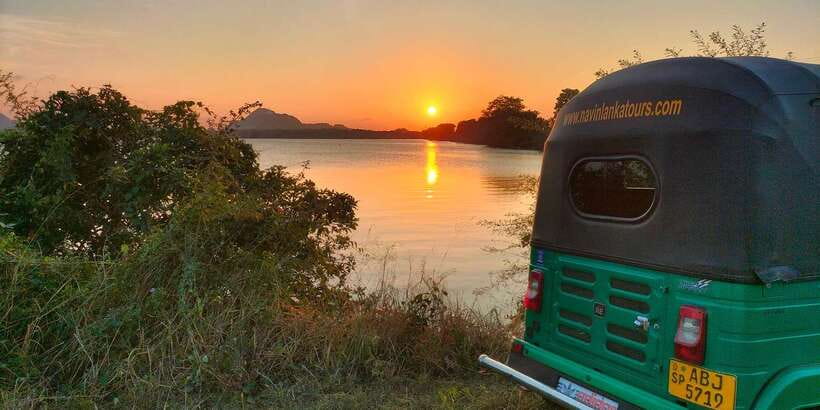
Reviewed · ANCIENT CITY TOURS
Anuradhapura Private Ancient City Day Tour
One ancient city, many stories, one smooth route. This private half-day format lets you move between living sacred sites and major ruins without the stress of figuring out transport or timing.
What I really like is the way your guide connects each stop to what was happening spiritually and politically in Anuradhapura’s heyday, using clear, story-driven explanations. A second highlight is the tuk tuk experience itself, including a quick lesson so you feel confident during the ride.
One thing to plan around: entrance tickets are not included, and you will also want to prepare for bright sun since the day runs outdoors at daylight.
In This Review
- Key highlights you should zero in on
- A 5-hour Anuradhapura plan that actually makes sense
- Private guide, English narration, and a tuk tuk you can handle
- Sri Maha Bodhi: the living anchor of the city
- Ruwanwelisaya and Jethawanaramaya: big stupas, bigger scale
- Kuttam Pokuna and the quiet details
- Samadhi Buddha Statue: symbolism you can spot faster
- Abhayagiri Vihara and its monastery spaces
- Elephant Pond, Muragala, and a city designed for meaning
- Anuradhapura Moonstone: read the entry details
- Thuparama Seya: the satisfying ending point
- Water bottles, timing, and the real value of the $30 price
- What to bring, what not to wear, and sun-ready planning
- Who this Anuradhapura private tour is best for
- Should you book this Anuradhapura private ancient city day tour?
- FAQ
- How long is the Anuradhapura Private Ancient City Day Tour?
- Is this tour private or shared?
- What language is the guide?
- Are entrance tickets included?
- What is included in the price besides the guide?
- What should I bring, and are there any restrictions?
Key highlights you should zero in on
- A private guide in English who keeps the pace relaxed and the route logical
- Tuk tuk lesson plus private transport, great if you are new to Sri Lanka
- Top Anuradhapura sites in one 5-hour circuit, including both active and archaeological areas
- Stops chosen for meaning, not just photos, from Sri Maha Bodhi to Thuparama Seya
- Small practical comforts like water bottles and regular photo time
- Strong small-group feel, with flexibility when sites are busy
A 5-hour Anuradhapura plan that actually makes sense
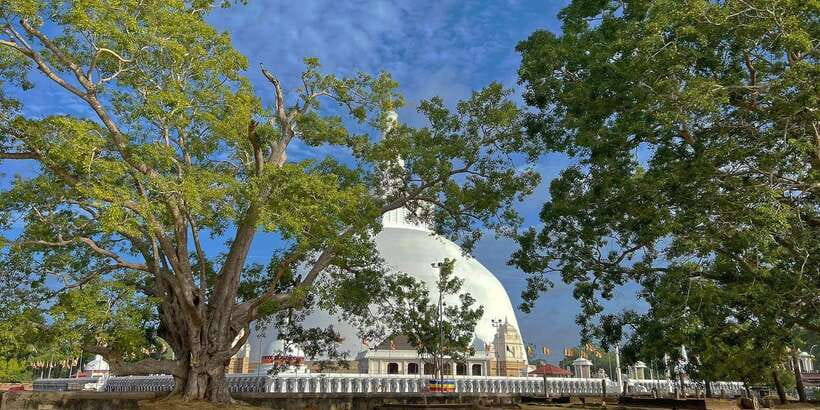
Anuradhapura is the sort of place where you can easily lose half a day wandering, then realize you missed the sites that matter most. This tour tackles that problem with a simple promise: you get a dedicated guide, private transport, and a route built around the key spiritual and archaeological landmarks.
The value is not just convenience. It is interpretation. When you stand in front of a stupa, a moonstone, or an old monastery space, your brain needs a few anchors. A good guide provides those anchors fast, so the architecture stops feeling like random stone and starts feeling like a map of beliefs, kingship, and daily temple life.
If you are a history or Buddhism fan, you will also appreciate the balance between active worship and ruins. You are not only looking at leftovers. You are seeing how some of these places still function as sacred spaces today.
More ancient city trips:
- Private City Day Tour in Anuradhapura
★ 5.0 · 383 reviews - Explore & Ride the history of anuradhapura with Vogel Tours
★ 5.0 · 62 reviews - From Anuradhapura: All Inclusive Full Day Safari at Wilpattu
★ 4.4 · 50 reviews
Private guide, English narration, and a tuk tuk you can handle
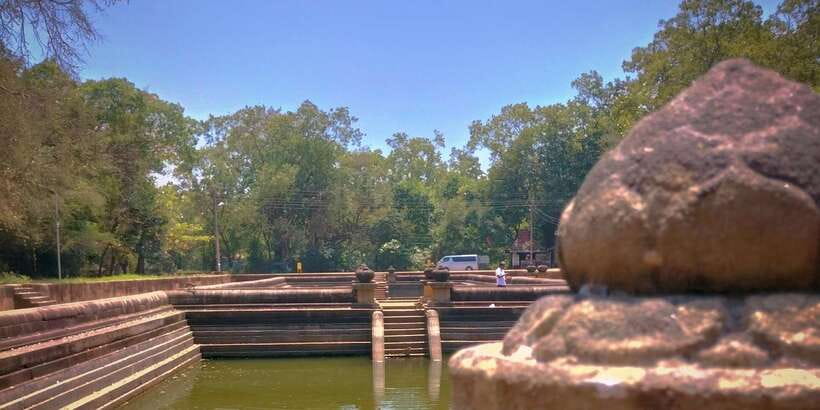
You will be picked up in Anuradhapura, then you will ride around by tuk tuk for the day’s sightseeing. The tour is set up as a private group, so you are not stuck listening to a script you cannot ask questions about.
Two comfort upgrades matter here:
- You get a live English guide plus an English audio guide. If you want to double-check details, the audio helps.
- Your guide keeps the pacing steady. Multiple guests noted the route felt well spaced, not rushed, with time to stop for photos.
The tuk tuk lesson is also practical. Even if you think you know how it works, Sri Lanka’s style of riding and local customs can feel different. The lesson helps you get your bearings quickly so the ride becomes part of the fun, not a stress test.
A small tip: the tour runs in strong sunlight, and you are outdoors between stops. Sunscreen is not optional if you tan easily. Also, bring comfortable shoes. The sites are old, which means your feet do the navigating more than you might expect.
Sri Maha Bodhi: the living anchor of the city
Sri Maha Bodhi is the spiritual headline. It is not just another temple stop. This is one of those places where people come for faith, reflection, and continuity, and the atmosphere can feel calmer once you arrive.
What makes this stop especially worthwhile on a guided tour is context. A guide can explain why this site is treated as more than a landmark, and how it fits into Sri Lanka’s Buddhist tradition. You are also better prepared for what you will notice around you, from worship behavior to how the area is used.
Time on site is short compared with doing everything slowly on your own, so go in with a mindset of focus. Pick a moment: watch how people move through the sacred space, then look for architectural cues that show how devotion is expressed here.
Ruwanwelisaya and Jethawanaramaya: big stupas, bigger scale
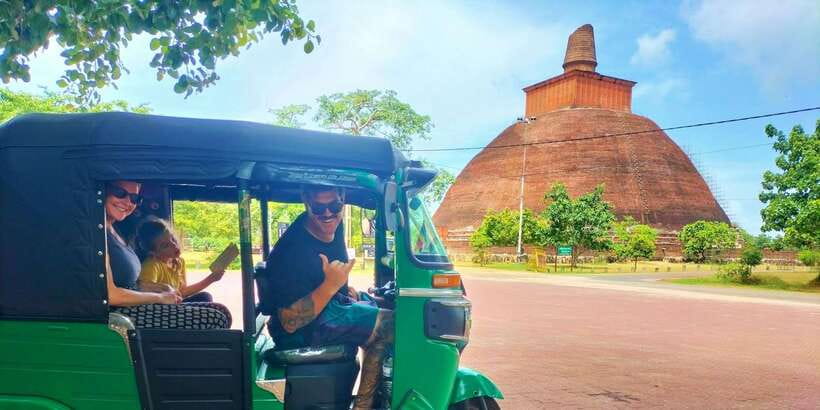
Next you will visit Ruwanweli Maha Seya. Expect impressive, iconic stupa architecture, the kind that makes your brain go from tourist mode to scale appreciation mode. Even if you already know what a stupa is, standing near one helps you understand why these structures were designed to be seen and revered from many angles.
Then the tour moves to Jethawanaramaya. This is where the archaeology becomes more obviously “ancient.” If you like history, this is a strong pairing with Ruwanweli because you can compare how different eras shaped sacred building choices.
What I like about having a guide here is explanation of religious and philosophical meaning. You are not only looking at stone. You are learning why people built at this scale and what the sites were meant to communicate. It also helps you notice details you might otherwise skip, like how different parts of the complex relate to the overall devotional layout.
One consideration: these sites can get busy. If you land on a crowded day, the smoother entry and exit described in guest feedback can be a real advantage. Your guide’s familiarity can reduce time spent figuring out where to go next.
A few more Anuradhapura trips to line up
- Minneriya National Park halfday Safari
★ 5.0 · 237 reviews - Minneriya National Park Elephant Jeep Safari Private Tour
★ 5.0 · 68 reviews - Minneriya National Park | Private Safari
★ 5.0 · 59 reviews - Wilpattu National park – Morning or Afternoon Safari
★ 4.3 · 57 reviews
Kuttam Pokuna and the quiet details
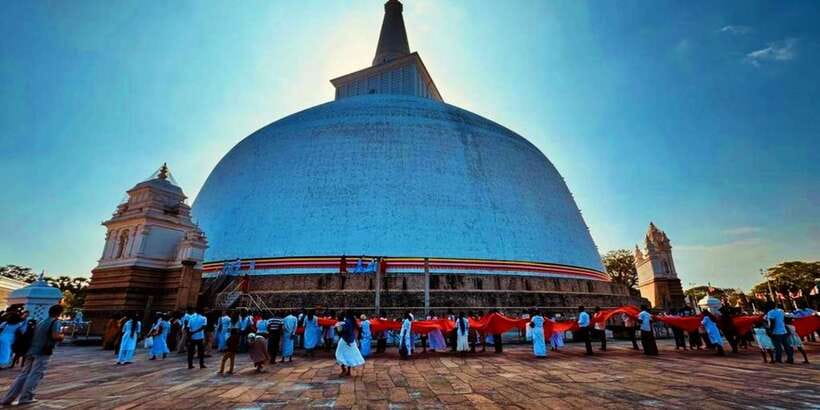
Kuttam pokuna is a different flavor. Instead of focusing only on the most famous structures, you get a glimpse of older city design and everyday ritual space. This is also a great place for anyone who likes the “how did they live” side of ancient cities.
A guided stop helps because you know what you are looking at. Water features and ritual spaces can be easy to overlook if you only know the big-ticket items. With a guide, you get the story behind the layout and the function.
This is also one of those stops where you can take photos without feeling like you are sprinting to the next point. The tour is built to allow picture breaks, and Kuttam pokuna fits that pace well.
Samadhi Buddha Statue: symbolism you can spot faster
The Samadhi Buddha Statue stop adds a more direct devotional feel. You will be walking through spaces where the visual language is meant to teach and inspire, not just decorate.
On a guided tour, this kind of stop works because you are not trying to guess symbolism from first impressions. Your guide can connect what you are seeing to how Buddhism is expressed through images, posture, and setting.
For me, the key value here is that it breaks up the day. After the big stupa scale, you shift to a smaller, more focused moment. It is easier to “read” spiritually when you are not surrounded only by massive monuments.
Abhayagiri Vihara and its monastery spaces
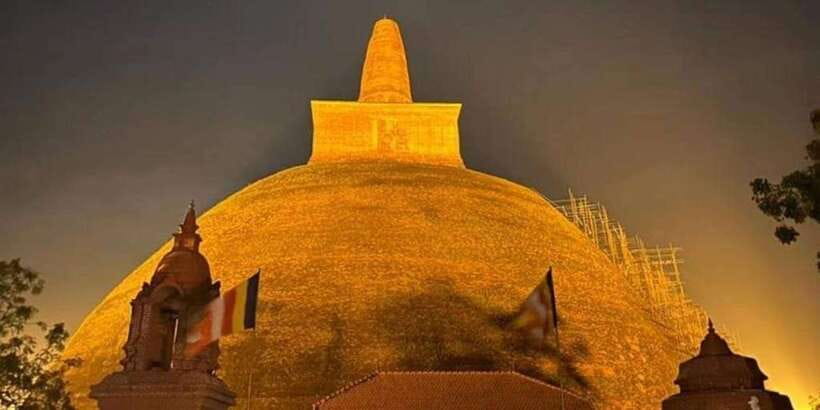
Abhayagiri Vihara is where you start feeling the depth of monastic life. This is a place that can look like ruins from a distance, but up close it becomes more than just “old walls.” It is a window into how monastic communities organized sacred practice and daily rhythms.
You will also visit the main refectory of Abayagiri Monastery, the අභයගිරි ප්රධාන දාන ශාලාව. That matters because it moves the story beyond worship buildings into communal space. Refectory and giving-hall concepts help you understand how temples supported people, meals, and ceremony as part of religious life.
A practical note: monastery areas often mean more walking across historic ground. Take your time. Also remember that hats are not allowed on this tour, so plan for sun with sunscreen and a light layer that breathes.
Elephant Pond, Muragala, and a city designed for meaning
Elephant Pond is one of those stops that feels immediately atmospheric. Water and wildlife associations can make ruins feel less dead and more like part of a living landscape. With guidance, you can connect the pond to the broader spiritual or traditional themes tied to temple grounds.
Then you will see Muragala, also described as Guard Stone. This kind of feature can be overlooked if you only chase the biggest monuments. But a guided stop helps you recognize what guard stones are meant to do in temple settings, and why they show up at key locations.
The best part is that these are not random filler stops. They complete the puzzle. After you learn how stupas, monasteries, and worship spaces work, the smaller protective or symbolic stone features start to make sense.
Anuradhapura Moonstone: read the entry details
The Anuradhapura Moonstone stop is for the detail lovers. Moonstones are famous for their sculptural designs, especially the carved “threshold” feeling they create at temple entries.
In a guided format, you will get a better sense of why these stones matter. You might be tempted to treat it as a decoration for photos. A guide helps you see it as part of a bigger ceremonial approach: entering sacred space has an intentional rhythm.
If you want great photos, this is one place to slow down for a minute. The designs can look different depending on angle and lighting. Since the tour runs during sunlight, take advantage of the bright visibility to capture texture and patterns.
Thuparama Seya: the satisfying ending point
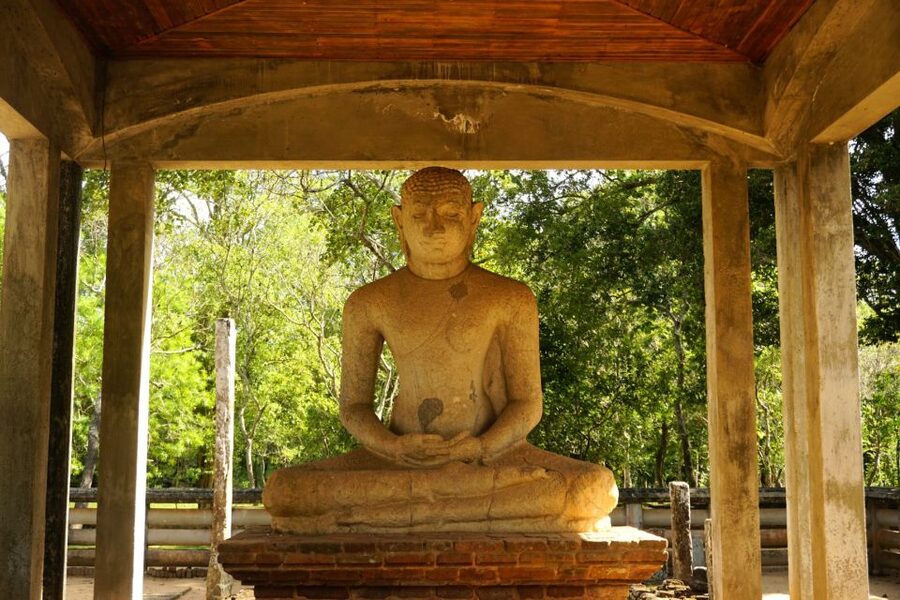
Thuparama Seya rounds out the circuit with another iconic stupa setting. By the time you reach it, you are not only seeing a monument. You are comparing it mentally with the others you have visited earlier in the day.
That is why this tour structure works. The stops echo each other. You learn how sacred architecture is consistent in purpose, even while style and size differ across centuries.
As the day winds down, you will also feel how flexible the guide can be. Some guests mentioned the guide worked around site timing when it mattered, including busy religious dates. Even if you do not visit on a special day, the general advantage is less waiting and more focused sightseeing.
Water bottles, timing, and the real value of the $30 price
The listed price is $30 per person for a 5-hour private tour with guide, private transport, tuk tuk, and water bottles. Entrance tickets are not included, and that part can change the final number.
One recent review shared that the foreigner entrance fee for the ancient city is US$30 per person. Prices can change, so treat that as a useful benchmark, not a guaranteed figure.
Here is how I judge value for this kind of tour:
- You are paying to avoid logistics headaches inside a heritage zone.
- You are paying for interpretation, not just transportation.
- You are paying for a private, paced route that hits the highest-impact sites in one half day.
If you are traveling with someone who hates planning, or you want to understand Buddhism and history without turning your vacation into a reading project, this is where the $30 can feel fair.
If you only want a quick photo loop and you enjoy figuring things out on your own, then a self-guided walk might be cheaper. But you will likely feel the missing context.
What to bring, what not to wear, and sun-ready planning
This is an outdoor, daylight tour. Plan for sun exposure even if you think you will be fine because it is only 5 hours.
Bring:
- Passport (useful for site entry situations)
- Comfortable shoes
Sun-smart:
- Sunscreen, because the tour runs in sunlight
Don’t bring or wear:
- Hats are not allowed
Also, show up ready to move. The tour includes multiple stops in a short window, so you will not want heavy bags or anything that slows you down.
Who this Anuradhapura private tour is best for
This tour suits you if:
- You want the key Anuradhapura sights in one go, without transport stress
- You care about Buddhism context, not just monument photos
- You like a guide who explains what you are seeing and keeps the pace steady
- You are new to tuk tuks and want a lesson first
It may not suit you if:
- You need a very slow, low-walking pace (the tour is packed with many major stops)
- You are over 95 years old, since it is listed as not suitable for that age group
One more “good fit” detail from guest feedback: Navin Lanka Tours, with guide Navin, has a strong reputation for friendly engagement and for answering questions beyond the sites themselves. People also mentioned helpful local recommendations after the tour via messaging, which can be handy when you still have days to plan in Sri Lanka.
Should you book this Anuradhapura private ancient city day tour?
Yes, if you want a smart, guided route through Anuradhapura’s must-see sacred sites and major ruins, and you prefer not to piece it together yourself. The biggest reason to book is simple: a good guide turns the city into a story you can follow, and the private setup keeps you from losing time.
Book it especially if you care about understanding what you are looking at, and if you like the idea of combining classic temple architecture with practical logistics like hotel pickup and transport.
Skip it only if you know you want very free-form browsing, and you are comfortable paying more attention to navigation than to interpretation. Otherwise, this 5-hour plan is an efficient way to get real value out of Anuradhapura without feeling rushed.
FAQ
How long is the Anuradhapura Private Ancient City Day Tour?
It lasts 5 hours.
Is this tour private or shared?
It is a private group tour.
What language is the guide?
The live tour guide is English, and an English audio guide is also included.
Are entrance tickets included?
No. Tourist entrance tickets are not included.
What is included in the price besides the guide?
You get private transport (tuk tuk), a tuk tuk lesson, hotel pickup and drop-off, and water bottles.
What should I bring, and are there any restrictions?
Bring your passport and comfortable shoes. Hats are not allowed. The tour takes place in sunlight, so bring sunscreen.
Recent additions in Anuradhapura
- Yala National Park: 7 hours or 12 hours Leopard Wild Safari★ 4.7 · 11 reviews
- Wilpattu National Park: Private Safari★ 4.4 · 38 reviews
- Wilpattu National park – Full day Safari (06:00am – 18:00pm)★ 4.5 · 38 reviews
- Sri Lanka: Wilpattu National Park Safari Tour in a 4WD Jeep★ 4.4 · 4 reviews
- Wilpattu National park: Morning or Afternoon PRIVATE Safari★ 3.5 · 3 reviews
- Wilpattu: Jeep Safari Day Tour From Sigiriya or Dambulla★ 4.2 · 7 reviews
- Wilpattu National park : Full day Safari (06:00am – 18:00pm)★ 4.7 · 6 reviews
- Wildlife experience at Minneriya National Park Safari★ 5.0 · 4 reviews
Ancient City Tours, compared.
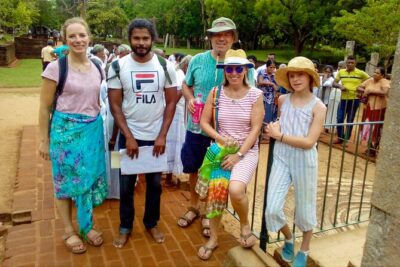
Explore & Ride the history of anuradhapura with Vogel Tours
Read our review →
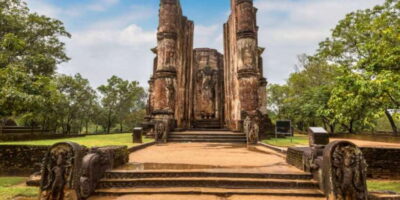
Polonnaruwa Day Tour With Minneriya NP Elephant Safari
Read our review →
Private Polonnaruwa Sightseeing Day Tour from Sigiriya
Read our review →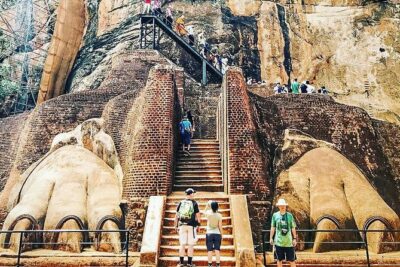
Sigiriya, Polonnaruwa & Dambulla “Trilogy” Day Tour from Colombo
Read our review →
Browse the lists this tour appears in