
Reviewed · WILPATTU SAFARIS
Wilpattu National park – Morning or Afternoon Safari
Wilpattu rewards patience, and this safari option is built for it. You’re heading into one of Sri Lanka’s older, larger parks with a guide who focuses on wildlife targets like leopards and sloth bears, moving you through different habitats like scrub, grassy areas, and water-filled Villu spots.
I really like the practical setup: complimentary pickup and drop-off in the Wilpattu area plus a comfortable 4×4 safari jeep for easier viewing and better photo angles.
One thing to consider: food and drinks are not included, and the national park entry ticket is a separate cost, so your real day budget is higher than the base price.
In This Review
- Key points before you go
- Why Wilpattu is a Different Kind of Safari
- Pickup, jeep comfort, and the morning or afternoon call
- The park intro: photo stops and guided scanning
- Villu areas: where wildlife concentrates near water
- Kudiramale Point and Pomparippu: why viewpoints matter
- Wildlife targets: leopards, elephants, sloth bears, deer, and birds
- Price and value: $30 plus park entry and the food gap
- Timing and endurance: how a long day can happen
- How to avoid the common disappointments
- Who should book this Wilpattu safari?
- Should you book Tiger Safaris in Wilpattu?
- FAQ
- How long is the Wilpattu National Park safari?
- Is pickup and drop-off included?
- What does the price include, and what costs extra?
- What language is the guide?
- What should I bring for the safari?
- Is this safari suitable for everyone?
Key points before you go
- 4×4 jeep comfort: Spacious safari vehicle experience, designed for wildlife spotting and photo stops
- Pickup and drop-off: Complimentary service in the Wilpattu area, with multiple possible drop locations
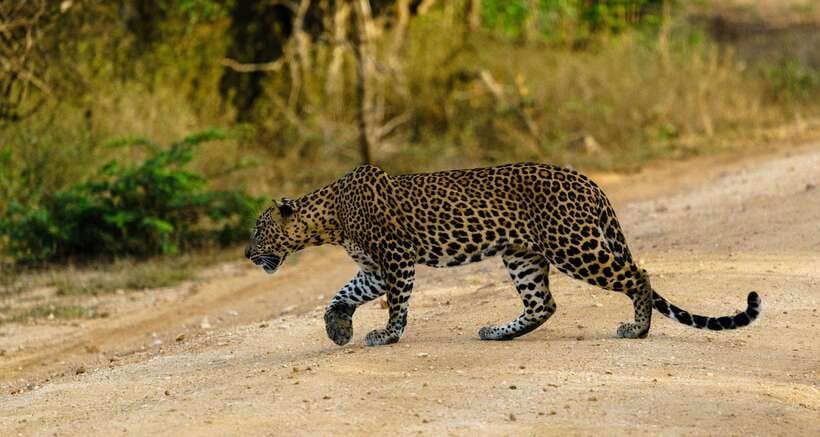
- Leopard-focused planning: The safari’s core pitch is getting you into the right areas for big cat chances
- Villu and viewpoint areas: Time spent around key spots like Kudiramale Point and Pomparippu
- Reality-check wildlife viewing: Some days can be quieter, with more deer and birds than big mammals
Why Wilpattu is a Different Kind of Safari
Wilpattu feels less like a zoo and more like a living puzzle. The park mixes dense scrublands, open grass, and water pockets, so you get different types of animal behavior depending on the habitat. That matters, because predators and prey often show up in different ways, and a good guide is thinking about where to scan next.
This safari option is designed around that practical idea. The goal is to put your eyes where wildlife is most likely to move, especially for leopards and sloth bears, while also keeping an eye out for elephants, deer, and a range of birds. Even when the big cats stay hidden, you can still end up enjoying the day, because Wilpattu’s smaller action is often the most consistent, like birds in the edges of scrub or monitor lizards along open ground.
More National Park Trips in Anuradhapura
- Minneriya National Park halfday Safari
★ 5.0 · 237 reviews - Minneriya National Park Elephant Jeep Safari Private Tour
★ 5.0 · 68 reviews - Minneriya National Park | Private Safari
★ 5.0 · 59 reviews
Pickup, jeep comfort, and the morning or afternoon call
The morning or afternoon choice is not just about daylight. It changes how the park “reads” for animals, and it changes how your logistics feel.
You’ll start with a simple plan: wait in the hotel lobby about 10 minutes before pickup. Pickup can be from your hotel or a designated location near Wilpattu, and the tour also lists drop-offs across several areas, including Anuradhapura, Galkadawala, Negombo, Nochchiyagama, Sinharagama, and even specific locations around the entrance area like Hunuwilagama and Eluwankulama. If you’re coming from farther away, this kind of pickup and drop routing can make the whole day feel longer, so build in buffer time.
On the comfort side, you’re traveling in a 4×4 safari jeep, and the vehicle is described as spacious. There’s also a group limit mention that helps you understand the vibe: for bookings that reach the higher end, it can become more private, with the jeep accommodating a maximum of 6 passengers for a more relaxed viewing setup. Translation: fewer people can mean less crowding for window and spotting positions.
For photography, the timing matters too. The safari includes sunrise and sunset style elements depending on the option you choose. Sunrise light can be great for mood and silhouettes, while later light often makes it easier to spot movement in scrub edges and water margins.
The park intro: photo stops and guided scanning
When you enter Wilpattu, your guide’s job is basically to turn “big park” into “clear plan.” That’s where the guided portion earns its keep. The safari includes a guided tour and sightseeing time, with photo stops along the way.
A good session here starts with pattern reading. You’re watching for animal signals like tracks near the scrub edges, fresh movement along open grassy patches, and activity around water. The safari’s structure leans into that, with time scheduled for scenic passing, viewpoint stops, and guided movement inside the park.
The practical upside for you: you’re not just driving in loops hoping for luck. You’re being guided through terrain that can hold wildlife, including the types of areas where leopards and sloth bears are more likely to be active or visible.
The practical downside: even with planning, Wilpattu is still wild. Some days you’ll see more deer, birds, and reptiles than large mammals, and the day can feel quieter than you hoped.
Villu areas: where wildlife concentrates near water
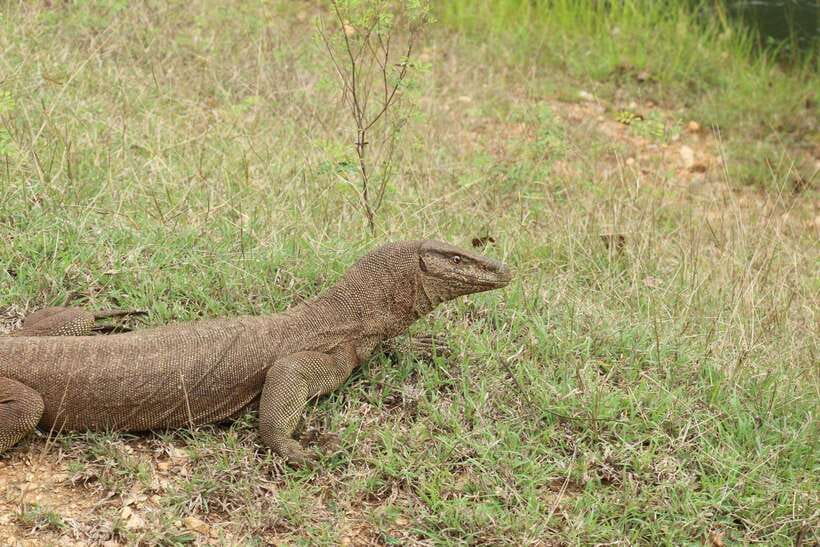
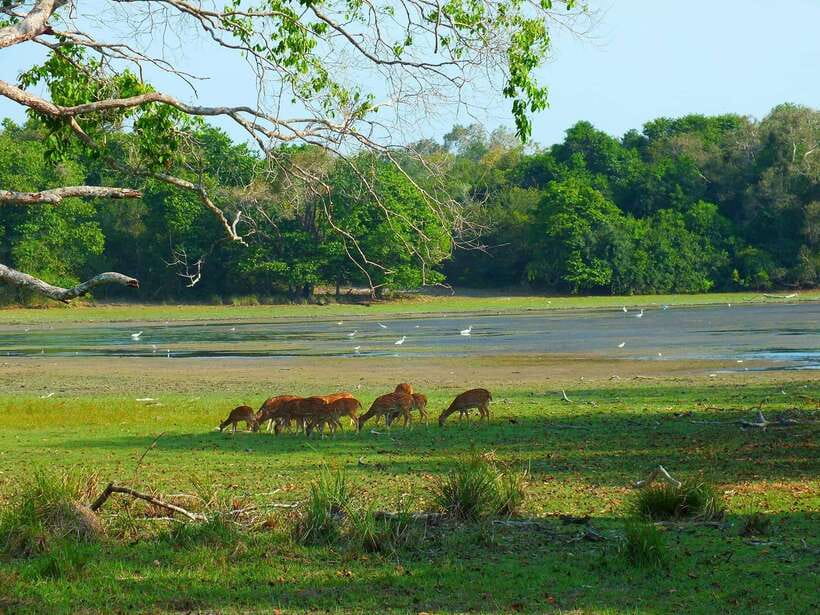
One of Wilpattu’s big strengths is the presence of Villu areas, and this safari explicitly includes time in those zones. Villu water bodies tend to act like natural magnets. Animals come in to drink and feed, and birds often announce themselves quickly when the light is right.
This is the part where you’ll often see the most steady action, even if the leopard is off doing leopard things. You might notice animals using the shoreline, or hear birds before you see them. Your guide’s role is to help you identify what’s worth watching versus what’s just background movement.
If you’re coming for elephants, water is usually a good place to start scanning. If you’re coming for leopards, water can still matter because prey species often travel between cover and open ground to reach these areas. Sloth bears also have their own habits, so they may be unpredictable, but being in the right habitat makes a difference.
More Safaris in Anuradhapura
- Sigiriya Hike & Minneriya Safari Private Full Day Tour
★ 5.0 · 56 reviews - From Anuradhapura: All Inclusive Full Day Safari at Wilpattu
★ 4.4 · 50 reviews - Minneriya National Park Safari – Private Jeep with Hotel Pickup
★ 5.0 · 44 reviews - Wilpattu National Park: Private Safari
★ 4.4 · 38 reviews
Kudiramale Point and Pomparippu: why viewpoints matter
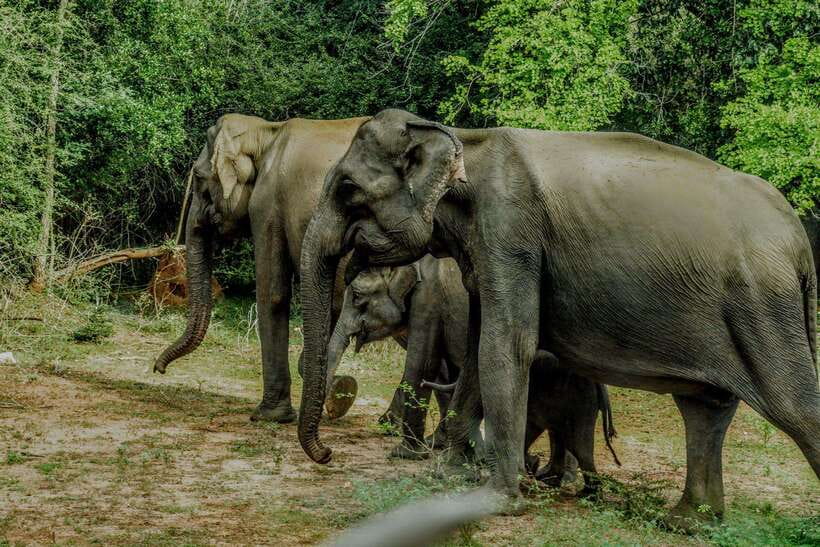
Kudiramale Point and Pomparippu are named as key attraction areas during this safari. That tells you something important: this isn’t only about driving slowly and hoping for the best, it’s also about stopping at locations where your sightlines improve.
Why do viewpoints matter? Because many animals in Wilpattu keep to cover. When you can see across scrub edges or watch an open stretch leading into trees, you’re more likely to catch the moment an animal steps into view. That timing is everything for photos too. You want to be ready when movement happens, not scrambling for a view while the animal disappears back into brush.
It also helps with the mental side of safari days. Instead of feeling like you’re stuck in constant motion, you’re getting scheduled pauses where the guide can scan carefully and let you do the same.
Wildlife targets: leopards, elephants, sloth bears, deer, and birds
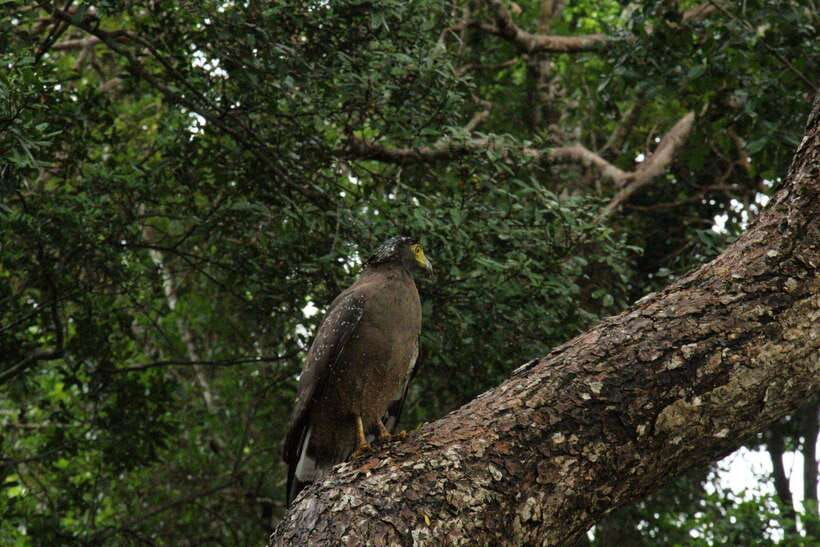
This safari’s stated wildlife focus includes leopards, elephants, sloth bears, deer, and birds. That’s a solid mix, because it covers both big mammal dreams and the more reliable sightings you might still enjoy.
Here’s what I think you should expect realistically:
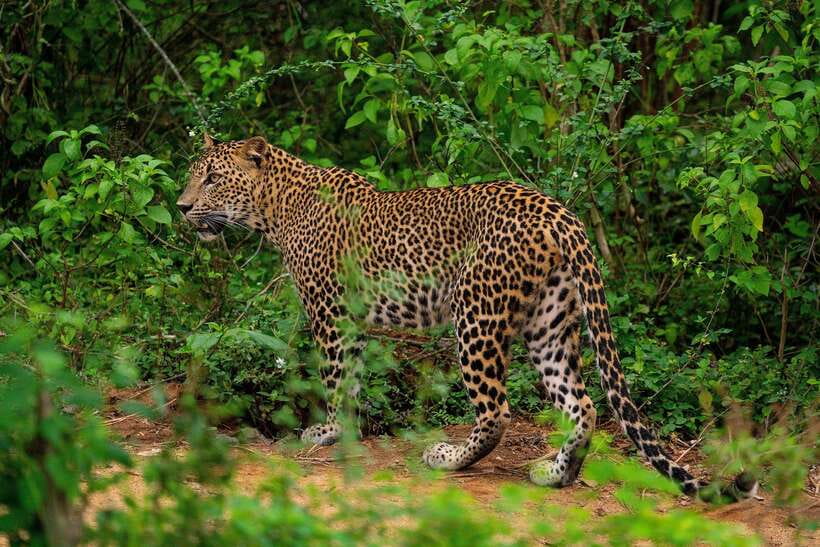
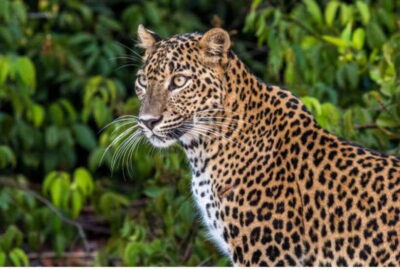
- Leopards: The park is famous for leopard presence, so the route aims at leopard habitat. But you should assume leopard sightings depend on the day and the animal’s behavior.
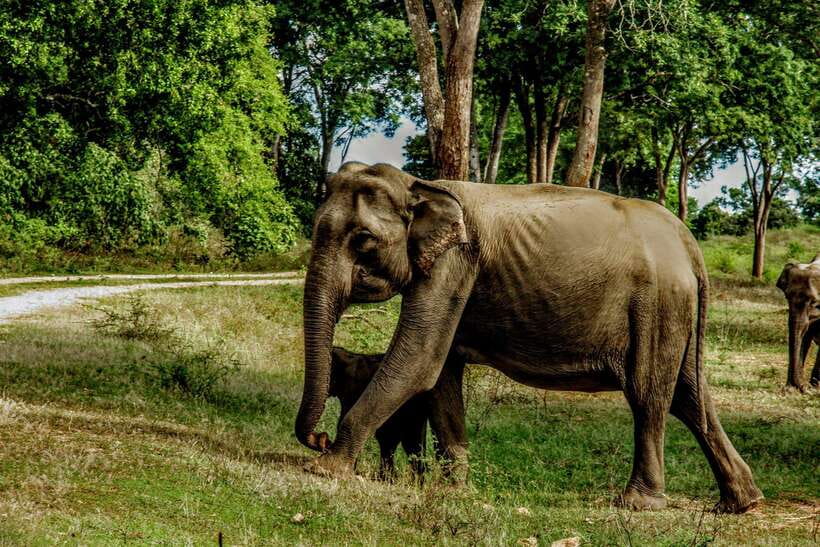
- Elephants: You may see them, but they can be spaced out. Water areas often help increase your chance of spotting activity.
- Sloth bears: This is a tricky one. Even when conditions look right, sloth bears do not follow a schedule you can rely on. If you’re lucky, you’ll catch them in motion. If you’re not, you may spend longer scanning for clues like movement near trees or scrub edges.
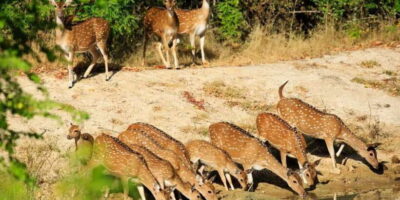
- Deer and smaller wildlife: These are often the most consistent, especially when big mammals are quiet.
- Birds: Birds are never a consolation prize in Sri Lanka, they’re part of the point. Quiet moments of listening and scanning can turn into great sightings.
A balanced warning based on real-world safari patterns: if you get stuck in a noisy convoy situation, wildlife spotting can get harder. The advantage of a planned route in fewer vehicles is that you spend less time fighting for visibility. In at least one bad scenario, a convoy-like feel made the safari loud and less productive for big mammals, and there was also a long wait for a sloth bear that never appeared. That doesn’t mean every day is like that, but it’s why your expectations should be realistic.
Price and value: $30 plus park entry and the food gap
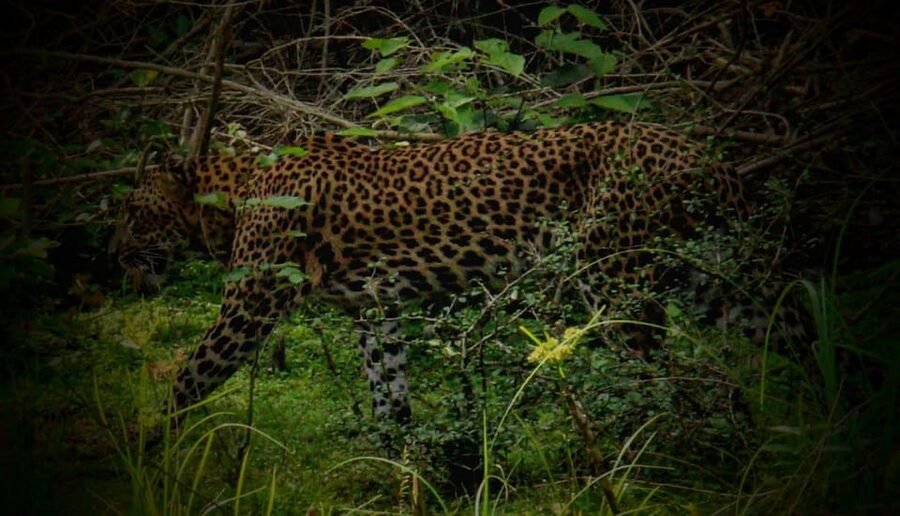
The base price is listed at $30 per person with a duration that can range from 4 to 10 hours. That’s the starting point, but your true cost needs two add-ons.
First, national park entry tickets are not included, and the listed estimate is about $37. Second, food and drinks are not included. One of the most common safari frustrations is realizing the day gets long and you’re thirsty or hungry without a plan. If your safari option stretches toward the long end, it can affect your energy level, and energy level affects how well you enjoy the scanning and waiting.
So what’s the value calculation?
- You’re paying for a guided experience in a huge park, with vehicle transport and pickup/drop support.
- You’re also paying for the convenience factor, not just the sightings.
- The cost becomes more reasonable if you treat it like a guided half-day-plus, pack snacks and water, and accept that wildlife sighting odds vary.
My practical advice: budget for park entry up front, and bring a simple food setup. Even if the safari run is “only” a few hours, packing water is not optional. If your body is comfortable, you spot more.
Timing and endurance: how a long day can happen
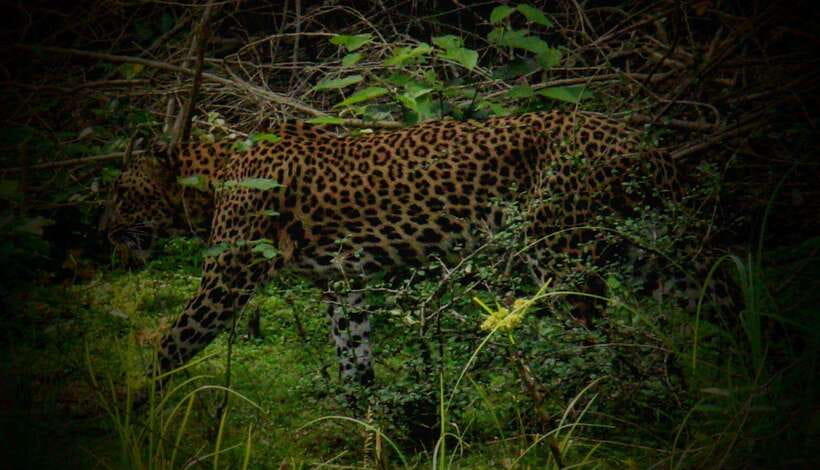
The listed duration is 4 to 10 hours, and that range is meaningful. Your pickup and drop-offs can extend the day if your starting point is outside the close-in Wilpattu zone. Even within Wilpattu area pickups, roads take time, and the safari rhythm includes driving, scanning, and stops.
If you choose an afternoon safari, keep in mind that your wildlife may be different from a morning run. Afternoon light can still be good for photos, but animal patterns shift. Also, if the day feels long and you did not plan snacks, you’re more likely to feel disappointed when big mammals stay hidden.
How to avoid the common disappointments
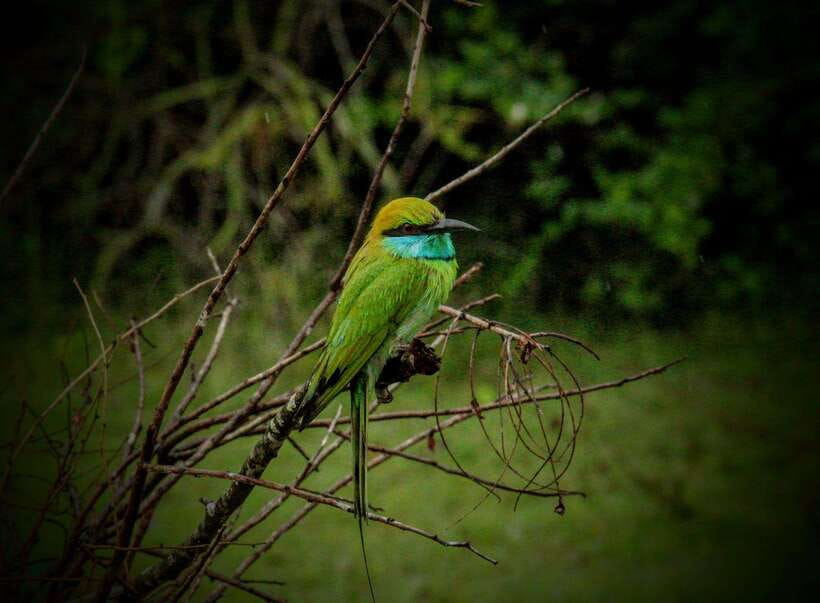
You can’t control animal behavior, but you can control how you handle the safari.
Here’s what helps most:
- Arrive rested and fed. Food and drinks are not included, so solve that early.
- Bring water and a small snack. This protects your mood when the action is slow.
- Choose your goal mindset. If leopards are your only goal, days without them feel rough. If you also enjoy birds, deer, and habitat scenes, you’re more likely to leave happy.
- Watch the vehicle vibe. If there’s a convoy feel and the noise is high, ask yourself if visibility is going to be good. With more people and more engines, spotting gets harder.
- Be ready for scanning time. Some animals show up only after patience. If you hate waiting, this style of safari will test you.
In one disappointing experience, a convoy waited about 40 minutes for a sloth bear that never came out, and the driver did not seem to emphasize elephants or leopards, even though those are what many people hope for. That’s the kind of mismatch you want to avoid by keeping expectations flexible and choosing a guide approach that keeps you moving intelligently through habitats.
Who should book this Wilpattu safari?
This safari is a good fit if:
- You want a guided, vehicle-based wildlife run rather than renting a car and guessing routes.
- You’re excited about leopards and sloth bears, but you’re also happy looking for deer and birds when big mammals are quiet.
- You value comfort and photo-friendly positioning in a spacious 4×4 jeep.
- You appreciate that the tour includes specific areas like Kudiramale Point, Pomparippu, and Villu spots, which makes the day feel structured.
It may be a poor fit if:
- You struggle with long days. The duration can run well past a simple morning outing.
- You have back problems, or you’re pregnant. The tour lists both as not suitable.
Should you book Tiger Safaris in Wilpattu?
I’d book this if you want a solid, organized Wilpattu experience with pickup support and a jeep setup that keeps you comfortable while your guide searches for wildlife. The named focus on leopards, sloth bears, elephants, and the inclusion of specific areas like Kudiramale Point, Pomparippu, and Villu areas are exactly the ingredients you want.
But go in with two practical realities. First, you must budget for park entry tickets and bring your own food and drinks. Second, not every safari day delivers large mammal sightings. If you can enjoy the park beyond one species, you’re more likely to have a satisfying day, even when the leopard stays hidden.
If you’re mainly trying to tick boxes, you’ll feel the gaps. If you’re trying to enjoy a real wildlife habitat with a guided scanning plan, this is a reasonable way to do it.
FAQ
How long is the Wilpattu National Park safari?
The duration is listed as 4 to 10 hours, depending on the selected option and start time.
Is pickup and drop-off included?
Yes. Complimentary pickup and drop-off in the Wilpattu area is included, and the tour also lists multiple possible drop-off locations.
What does the price include, and what costs extra?
The safari price includes the guided safari experience and the 4×4 jeep with an experienced guide/driver, plus pickup and drop-off. Park entry tickets (about $37) and food and drinks are not included.
What language is the guide?
The live tour guide is listed as English.
What should I bring for the safari?
Bring a passport or ID card.
Is this safari suitable for everyone?
It is not suitable for pregnant women or people with back problems. Alcohol and drugs are not allowed.
More Safaris from Anuradhapura
- Sri Lanka Wild Life Uniqe Safari 26
★ 5.0 · 28 reviews - All Inclusive Private Safari in Minneriya National Park
★ 4.5 · 26 reviews - Minneriya National Park Safari from Habarana
★ 5.0 · 23 reviews - Kaudulla National Park Safari | Jeep with Tickets
★ 5.0 · 21 reviews
More Wilpattu Safaris in Anuradhapura
- Wilpattu National park – Full day Safari (06:00am – 18:00pm)
★ 4.5 · 38 reviews - Anuradhapura: Full-Day Wilpattu All Inclusive Private Safari
★ 4.5 · 24 reviews - From Anuradhapura:Wilpattu Full-Day Wildlife Safari.
★ 4.8 · 19 reviews - Wilpattu: Jeep Safari Day Tour From Sigiriya or Dambulla
★ 4.2 · 7 reviews
Recent additions in Anuradhapura
- Yala National Park: 7 hours or 12 hours Leopard Wild Safari★ 4.7 · 11 reviews
- Wilpattu National Park: Private Safari★ 4.4 · 38 reviews
- Wilpattu National park – Full day Safari (06:00am – 18:00pm)★ 4.5 · 38 reviews
- Sri Lanka: Wilpattu National Park Safari Tour in a 4WD Jeep★ 4.4 · 4 reviews
- Wilpattu National park: Morning or Afternoon PRIVATE Safari★ 3.5 · 3 reviews
- Wilpattu: Jeep Safari Day Tour From Sigiriya or Dambulla★ 4.2 · 7 reviews
- Wilpattu National park : Full day Safari (06:00am – 18:00pm)★ 4.7 · 6 reviews
- Wildlife experience at Minneriya National Park Safari★ 5.0 · 4 reviews
Wilpattu Safaris, compared.
Wilpattu National Park Safari | Jeep with Tickets
Read our review →
Wilpattu National Park Jeep Safari from Negombo / Waikkal (All Inclusive)
Read our review →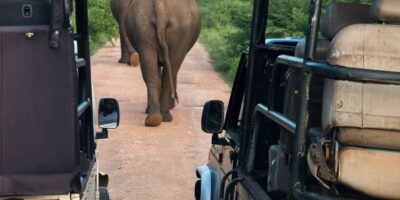
Wilpattu National Park Safari Tour from Colombo
Read our review →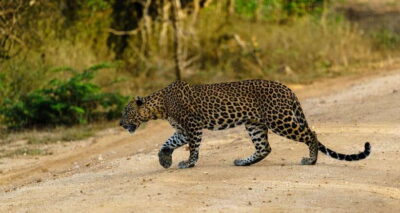
Wilpattu National Park: Morning or Afternoon Safari
Read our review →
Wilpattu National park – Full day Safari (06:00am – 18:00pm)
Read our review →
Browse the lists this tour appears in