
Reviewed · WILPATTU SAFARIS
Wilpattu National Park 4-Hours Safari | with Naturalist
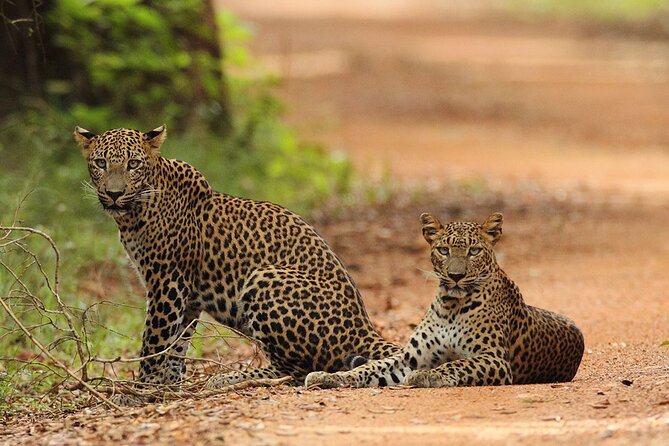
Leopards are hit-or-miss, and that matters. This Wilpattu half-day safari from Anuradhapura pairs a naturalist-guide with a private jeep so you can scan the Willus natural lakes for wildlife. I like that the people running it focus on helping you find the action, and I also like that pickup and drop-off are included within 5 km of the park gate. One possible drawback: you are going into a real wildlife reserve, so even with expert eyes, leopards are not guaranteed.
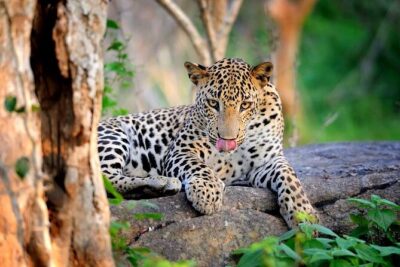
Wilpattu itself is a big deal for wildlife. It is one of Sri Lanka’s largest and oldest national parks, with dozens of rain-filled lakes called Willus, plus a well-known leopard population in the dry zone northwest of Anuradhapura.
Practically, you should treat this as a short, focused safari session. The outing is listed as about 3 hours, and it runs from the park gate and back, with a mobile ticket and a private group setup. Also note: you may need to pay entrance fees in cash for jeep-only bookings, so keep some local currency ready.
In This Review
- Key points to know before you go
- Wilpattu’s Willus lakes: why this park is built for animal spotting
- Getting to the gate, then into the private jeep loop
- Your naturalist guide: what you actually get beyond the jeep
- Wildlife you can realistically hope to see, plus what to expect
- Time on the ground: how a 3-hour outing can still feel full
- Price and value: is $51 a good deal for Wilpattu?
- How to get the most out of your leopard-focused safari
- Who this Wilpattu safari suits best
- Should you book this Wilpattu 4-hour safari?
- FAQ
- How long is the safari?
- Is this tour private?
- Do I get pickup and drop-off?
- What does the price include?
- Are entrance fees included?
- What should I bring for food or drinks?
- Is there a mobile ticket?
- Do I need good weather for this to run?
- What is the cancellation policy?
- Where does the safari start and end?
Key points to know before you go
- Willus lakes drive the sightings, since animals gather around sand-rimmed rainwater basins
- Naturalist-guide spotting helps you read tracks, behavior, and plant clues, not just scan randomly
- Private safari jeep means less waiting, and you can pause when everyone wants photos
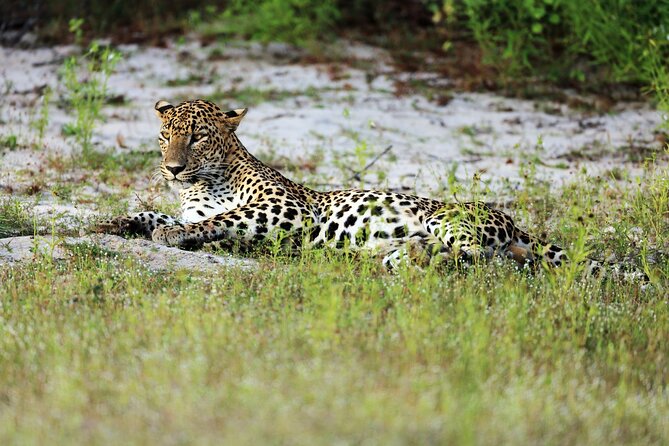
- Leopard chances are real, but not promised, so go for wildlife variety, not just one animal
- Entrance fees may be separate, and jeep-only bookings require cash payment
- Water bottle is included, and you bring snacks or meals on your own
Wilpattu’s Willus lakes: why this park is built for animal spotting
If you only remember one thing about Wilpattu, make it this: the park is dotted with Willus, natural lakes that form in rain-filled depressions. These water basins are ringed by sand, and they create steady feeding and drinking spots during drier months.
That matters because wildlife viewing gets easier when you understand animal behavior. In a place with scattered water, creatures tend to funnel toward it, which can translate into more chances to see everything from big cats to birds. A naturalist guide also tends to use the Willus like a map, deciding where to look based on the light, wind, and recent movement.
Wilpattu is huge on paper too, so your guide’s job is turning size into a workable route. The park covers 1,317 square kilometers (about 131,693 hectares), stretching from sea level up to around 152 meters. In plain terms, you are not doing a quick “drive through and hope” thing. You are on a structured jeep loop inside a very large reserve, aiming for the areas that increase your odds.
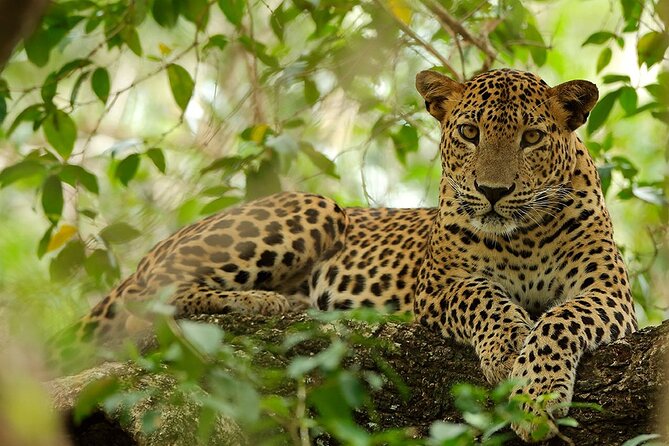
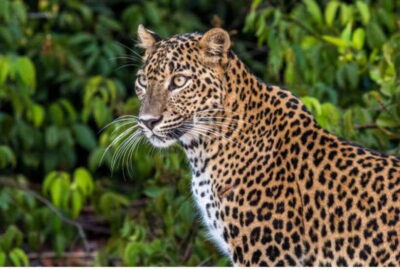
And yes, leopards are a headline here. Wilpattu is widely known for its leopard population, and there was a remote camera survey from July to October 2015 conducted by the Wilderness and Wildlife Conservation Trust. They photo-captured 49 individual leopards in the surveyed area, with core area density reported to sit between Yala National Park’s Block I and Horton Plains National Park. Even with that data, you still have to remember wildlife has its own schedule.
More National Park Trips in Anuradhapura
- Minneriya National Park halfday Safari
★ 5.0 · 237 reviews - Minneriya National Park Elephant Jeep Safari Private Tour
★ 5.0 · 68 reviews - Minneriya National Park | Private Safari
★ 5.0 · 59 reviews
Getting to the gate, then into the private jeep loop
This safari starts at the Wilpattu National Park gate and ends back there. You ride in a private safari jeep with an experienced driver, so the group stays together the whole time rather than bouncing between vehicles.
There is a pickup and drop-off perk built in, but it is specific: free transfers are included within a 5 km radius of the park gate. That is great if you are nearby, but it also means you should plan extra for pickup outside that radius. If you are staying farther out, you might want to arrange transport that gets you to the gate on time.
Timing is another practical piece. The tour is listed as about 3 hours, even though it is often marketed as a 4-hour safari. One driver named Pasindu reportedly worked hard to complete the loop faster, around 3 hours 30, even after a late start due to a taxi mix-up. The takeaway for you: if there are delays, the operator may adjust pacing to keep your outing meaningful, but you should aim to be on time anyway.
Once you are inside the park, your guide’s route planning becomes the real itinerary. You will focus on likely animal areas and Willus zones where sightings can happen. You should also expect short stops and more frequent scanning than you get on casual drives. In this kind of reserve, stopping at the right time can matter more than stopping at the right place.
Your naturalist guide: what you actually get beyond the jeep
A safari guide can be a tourist in the wild, or they can be a translator for what the forest is doing. This experience is built around an English-speaking naturalist-guide, and that is a big difference for how you experience Wilpattu.
A naturalist tends to look at more than animals. You will often see guides key in on behavior, not just bodies. Small details like where birds are paying attention, the angle of animal tracks, or how plants look near water can point to movement you might miss from the roadside.
That is also why guides can increase your odds without promising a leopard. The guide can explain what to expect and help you manage your hopes. In at least one instance, a guide set expectations clearly at the start, including the reality that spotting a leopard is never assured. That honesty helps because it keeps you in wildlife mode, not frustration mode.
You also get a friendly, practical safari rhythm. Guides typically pause when you want photos, and that is a real comfort point. If you have ever tried to take pictures while someone is rushing, you know the frustration. Here, you are more likely to have a moment to frame the shot when the animal is in view, instead of sprinting for a second that already passed.
Wildlife you can realistically hope to see, plus what to expect
Wilpattu has the big targets people talk about, and it also has the smaller stuff that makes a safari feel alive. Leopard sightings get the attention, but crocodiles, elephants, birds, and other reptiles are all part of the viewing mix here.
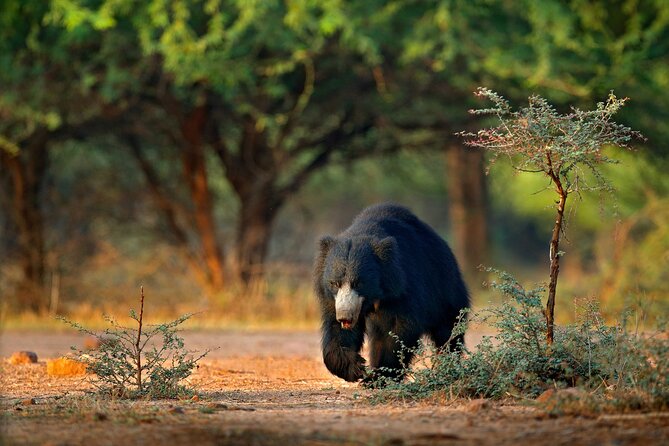
In the wild, the best way to set expectations is to treat the jeep session as a wildlife search, not a checklist. One strong point from real experiences here is that the guides have produced varied sightings, including crocodiles, bear, birds, varans (monitor lizards), and elephants. That kind of spread is valuable because even if a leopard stays quiet, you still leave with images and moments you did not plan for.
What makes a Willus safari especially interesting is that water changes the whole day. If you catch an animal near a lake depression, you might see it drinking, moving along the sand rim, or resting in nearby cover. Even if the animal is not the one you came for, the behavior around water can be fascinating.
Still, the elephant and leopard headlines come with a catch. Leopards can show briefly and then vanish back into cover. One experience described seeing a leopard for about 5 seconds, followed by birds. That is the nature of wildlife viewing, but it also highlights why the guide matters. A good guide spots signs early, positions you better, and communicates what you are seeing so you notice even short appearances.
A quick practical tip: keep your eyes on the guide’s scanning range, not just your own spotting spot. If the guide is watching a specific direction or Willus area, chances are that is where activity is most likely. Your role is to stay alert, ready, and calm when something might pop into view.
More Safaris in Anuradhapura
- Wilpattu National park – Morning or Afternoon Safari
★ 4.3 · 57 reviews - Sigiriya Hike & Minneriya Safari Private Full Day Tour
★ 5.0 · 56 reviews - From Anuradhapura: All Inclusive Full Day Safari at Wilpattu
★ 4.4 · 50 reviews - Minneriya National Park Safari – Private Jeep with Hotel Pickup
★ 5.0 · 44 reviews
Time on the ground: how a 3-hour outing can still feel full
Short safaris can be hit or miss, but this one is designed for concentrated searching. Roughly 3 hours inside the park means you are not spending half the day on transit within the reserve. It also means your driver and naturalist can focus on a loop that makes sense for wildlife odds rather than random movement.
The good side of a shorter outing is flexibility. You can pair it with other regional plans without losing your whole day. It is also less tiring than an all-day safari when heat and fatigue start to make attention wander.
The trade-off is also clear: you have less time to chase a moving animal. If the leopard is not in view during your planned window, the guide can sometimes adjust, but you cannot wait for hours in one spot. That is another reason the best mindset is to enjoy the hunt and accept that wildlife has timing.
One small included comfort that helps: a water bottle per person. It is not a full-on hydration plan, so if you run hot or sweat a lot, you might still want to bring extra water of your own. But it is a nice start, especially on a mid-day outing.
Price and value: is $51 a good deal for Wilpattu?
At $51 per person, this safari sits in a more accessible range for a private jeep plus naturalist-guided wildlife spotting. The value depends on what is included, and the included parts here are meaningful.
You get:
- Transport by a private safari jeep
- Free pickup/drop-off within 5 km of the park gate
- An English-speaking naturalist-guide
- An experience driver
- A water bottle per person
What is not included:
- Entrance fees for jeep-only bookings, paid in cash
- Food and beverages
- Gratuities
So, where does the value land? For you, the big benefit is the guide. Wildlife viewing in a place as large as Wilpattu improves when someone can read the park, explain what you are seeing, and adjust the route within the time you have. If you were to do a jeep rental without guidance, you might still see animals, but you are more likely to miss small clues and waste time looking in the wrong places.
Also, private jeep matters here. In busy contexts, sharing a vehicle can mean compromise on stops and photo time. With your own group setup, it is easier to pause when you want a shot and keep the safari rhythm.
If you are traveling in a small group, private setups often help the cost feel fair. If you are traveling solo, it can still be worth it because it buys you the guide and a focused route instead of a more generic drive.
Just remember the potential extra cost of entrance fees, which you pay in cash for jeep-only bookings. That is a small planning point, but it can affect your budget if you forget to bring local currency.
How to get the most out of your leopard-focused safari
You cannot control sightings, but you can control your readiness. Here are the choices that usually pay off in Wilpattu.
First, dress for heat and sun. Even in Sri Lanka’s dry zone, you can get strong sunlight while scanning for movement. Light layers help because the jeep can trap warmth, and the park can shift from bright to shaded cover quickly.
Second, keep your camera and phone settings simple. If you spend 10 minutes fiddling every time something moves, you will miss brief appearances. Your goal is fast framing, steady hands, and quick shooting.
Third, listen to your guide’s cues. A naturalist will often explain where to look next and what you are likely to see. If they say watch that water edge, do it. If they mention something about animal behavior, that often turns your “wandering eyes” into “purposeful spotting.”
Finally, accept the leopard reality. One person might see a leopard for seconds, another might see more extended activity. Either way, you can still have a strong safari if you stay open to the whole wildlife picture, including birds and reptiles that become interesting once you slow down.
Who this Wilpattu safari suits best
This experience fits best if you want guided help in a wildlife reserve that is big, dry, and water-driven.
It is a good match for:
- Wildlife lovers who want a naturalist guide to boost spotting odds
- Small groups who want privacy and photo-friendly pauses
- People who will enjoy birds and reptiles even if the leopard is brief
It might be less ideal if:
- You only care about leopards and will feel disappointed by other wildlife
- You are staying far from the park gate and do not want to handle transport to meet the start point
- You expect a guarantee of a specific animal, because none is promised
The best mindset is curious. Wilpattu can reward you with short, memorable moments, especially around the Willus water basins.
Should you book this Wilpattu 4-hour safari?
I think this is a solid booking if you want a focused Wilpattu safari with an English naturalist-guide and a private jeep. The price feels reasonable for what you get, especially the guide support that helps you notice more than just the obvious targets. The pickup within 5 km also removes a common hassle if you are staying nearby the park gate.
I would book it if your priority is wildlife spotting with expert eyes, and if you can handle the honest reality that leopards may be quick or not appear at all. If your plan is flexible and you want a half-day nature reset in Sri Lanka’s leopard country, this is a strong choice.
If your priority is guaranteed leopard time, you might feel uneasy. This is nature, and even with a good guide, the park sets the schedule.
FAQ
How long is the safari?
The experience is listed as about 3 hours.
Is this tour private?
Yes. It is private, so only your group participates.
Do I get pickup and drop-off?
Pickup and drop-off are included within a 5 km radius from the park gate. Hotel pickup outside that radius is not included.
What does the price include?
Transport by private safari jeep, an English-speaking naturalist-guide, an experience driver, free pickup and drop-off within 5 km, and a water bottle per person.
Are entrance fees included?
Entrance fees for jeep-only bookings are not included, and they are paid in cash.
What should I bring for food or drinks?
Food and beverages are not included, so you should plan to bring or buy your own.
Is there a mobile ticket?
Yes, the tour offers a mobile ticket.
Do I need good weather for this to run?
Yes. The experience requires good weather. If it is canceled due to poor weather, you will be offered a different date or a full refund.
What is the cancellation policy?
You can cancel for a full refund up to 24 hours before the experience’s start time.
Where does the safari start and end?
It starts at the Wilpattu National Park gate and ends back at the meeting point.
More Safaris from Anuradhapura
- Sri Lanka Wild Life Uniqe Safari 26
★ 5.0 · 28 reviews - All Inclusive Private Safari in Minneriya National Park
★ 4.5 · 26 reviews - Minneriya National Park Safari from Habarana
★ 5.0 · 23 reviews - Kaudulla National Park Safari | Jeep with Tickets
★ 5.0 · 21 reviews
More Wilpattu Safaris in Anuradhapura
- Wilpattu National Park: Private Safari
★ 4.4 · 38 reviews - Wilpattu National park – Full day Safari (06:00am – 18:00pm)
★ 4.5 · 38 reviews - Anuradhapura: Full-Day Wilpattu All Inclusive Private Safari
★ 4.5 · 24 reviews - From Anuradhapura:Wilpattu Full-Day Wildlife Safari.
★ 4.8 · 19 reviews
Recent additions in Anuradhapura
- Yala National Park: 7 hours or 12 hours Leopard Wild Safari★ 4.7 · 11 reviews
- Wilpattu National Park: Private Safari★ 4.4 · 38 reviews
- Wilpattu National park – Full day Safari (06:00am – 18:00pm)★ 4.5 · 38 reviews
- Sri Lanka: Wilpattu National Park Safari Tour in a 4WD Jeep★ 4.4 · 4 reviews
- Wilpattu National park: Morning or Afternoon PRIVATE Safari★ 3.5 · 3 reviews
- Wilpattu: Jeep Safari Day Tour From Sigiriya or Dambulla★ 4.2 · 7 reviews
- Wilpattu National park : Full day Safari (06:00am – 18:00pm)★ 4.7 · 6 reviews
- Wildlife experience at Minneriya National Park Safari★ 5.0 · 4 reviews
Wilpattu Safaris, compared.
Wilpattu National Park Safari | Jeep with Tickets
Read our review →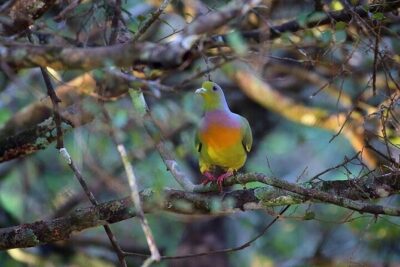
Wilpattu National Park Jeep Safari from Negombo / Waikkal (All Inclusive)
Read our review →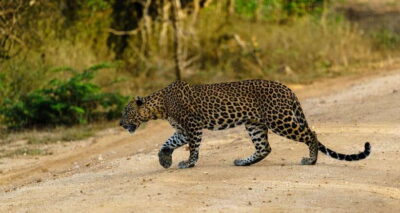
Wilpattu National park – Morning or Afternoon Safari
Read our review →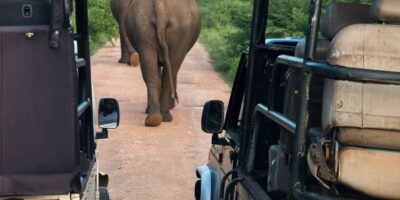
Wilpattu National Park Safari Tour from Colombo
Read our review →Wilpattu National Park: Morning or Afternoon Safari
Read our review →
Wilpattu National park – Full day Safari (06:00am – 18:00pm)
Read our review →Browse the lists this tour appears in