
Reviewed · TEA COUNTRY & PLANTATION TOURS
Uva Halpewatte Tea Factory Tour in Ella Sri Lanka
One hour, real tea science. This small-group visit at Uva Halpewatte in Ella walks you through how Ceylon tea turns from fresh leaves to finished packets, then ends with a guided tea tasting. You get step-by-step explanations in English while you stay in a working tea estate.
I like the clear, process-focused pacing, with modern manufacturing procedures explained as you go. I also like that it finishes with a tea tasting plus time at the factory fresh tea shop and cafe, so you can turn what you learned into what you sip.
One thing to plan around is timing. Some production may be quieter if you arrive later, and the tasting quality can feel inconsistent depending on the batch and what’s being served on the day, based on written feedback.
In This Review
- Key things to know before you go
- Entering Uva Halpewatte in Ella, where tea becomes a process
- The tea-making itinerary, stop by stop
- Stop 1: Uva Halpewatte Tea Factory Tour
- The added estate context
- The tea tasting at the end, what to watch for
- Factory views, the shop, and what you can do with the experience
- Timing in Ella, when production is most visible
- Small group size and English guidance, how it affects your questions
- Price and value for $18, is it worth your hour?
- Who should book this, and who might want a different tea plan
- Book it if you want real process, not just a drive-by
- Consider other options if you’re very tasting-focused
- Pair it smartly in Ella
- Should you book the Uva Halpewatte Tea Factory Tour?
- FAQ
- How long is the Uva Halpewatte Tea Factory Tour in Ella?
- What does the $18 ticket include?
- What are the opening hours?
- Is this a small group tour?
- Do I need a printed ticket?
- Can I cancel for free?
Key things to know before you go
- Working factory, not just a showroom: You visit an award-winning, functioning tea factory and follow the steps of manufacture.
- Small group size: Maximum 15 people, which makes it easier to ask questions during the English explanations.
- Tea tasting is built in: The tour ends with a tasting session included for everyone.
- Aim for earlier hours: Opening hours run 8:00 AM to 4:30 PM, and some guidance from written feedback suggests earlier arrival helps you see more production live.
- Estate-and-factory mix: You see the tea estate side of the story, not only the machine rooms.
Entering Uva Halpewatte in Ella, where tea becomes a process
Ella is tea country, so it’s easy to romanticize it. This tour keeps things grounded. You’re not just looking at tea bushes, you’re watching how Ceylon tea gets processed into the cup you recognize.
Uva Halpewatte is one of the largest producers of Ceylon tea, and that scale matters for what you learn. A big operation usually means standardized steps, clearer workflows, and lots of practical equipment you can point to while your guide explains what each stage does.
The tone is also very practical. You’ll hear the process step by step, in English, with guidance that connects what you see in the factory to what ends up in the teacup.
More Tea Country Tours in Ella
- Tea Plantation Tour in Ella, Sri Lanka
★ 5.0 · 319 reviews - Ella: 9 Arches Bridge, Little Adam’s Peak, Tea Factory
★ 4.3 · 41 reviews - Ella Day Tour from Kandy with tea factory
★ 5.0 · 15 reviews
The tea-making itinerary, stop by stop
Stop 1: Uva Halpewatte Tea Factory Tour
This is the main event, and it’s designed around following tea manufacturing from start to finish. You’ll get a guided visit through the production flow, with explanations of the steps involved in turning harvested tea into made tea.
What I like about this style is that it helps you understand tea as a chain. If you only see the garden, you miss what happens after plucking. If you only see the shop, you miss why two teas can look similar but taste different.
Here’s what to expect while you’re on the factory side:
- A guide walks you through the tea manufacture process with step-by-step commentary.
- You spend time on the tea estate, not just inside rooms.
- You’ll see modern manufacturing procedures in action.
- The experience is organized around being close enough to understand the equipment and the workflow.
Written feedback also gives you a hint about the “feel” of the tour. Several guides are praised for explaining tea science and chemistry, and at least some visitors report getting time to walk around the factory floor and explore machines up close. That’s a big deal, because factories can feel intimidating if you’re only allowed to stand behind a rope.
The added estate context
The itinerary doesn’t treat the tea garden and the factory as separate worlds. It ties them together, so you get a more complete picture of why labor and timing matter.
That connection helps you interpret what you see. When you understand where the leaves come from and how the factory handles them, you stop asking only what tea costs and start asking what tea goes through.
More tea country trips from Ella:
- Lipton’s Seat and Tea Factory,Trail Amidst Tea Plantation Day Tour
★ 4.5 · 11 reviews - From Ella: Lipton Seat & Dambatenne Tea Factory Day Tour
★ 4.4 · 7 reviews - Ella: Lipton’s Seat Tour with Dambetanna Tea Factory Visit
★ 4.6 · 7 reviews - Ella Day Tour: with Tea Factory Visit from Colombo/Bentota
★ 4.4 · 7 reviews
The tea tasting at the end, what to watch for
The tour ends with tea tasting sessions for all participants. That matters because it’s the moment when the tour stops being information and becomes flavor.
In theory, the tasting should reflect what you just toured. In practice, written feedback is mixed in a useful way: some people say the tasting is part of what makes the tour memorable, while others feel the tea served tasted watered down or had less punch than expected.
Here’s how I’d handle that as a smart buyer:
- Treat it as a learning tasting, not a guaranteed “wow every sip” festival.
- Pay attention to differences between types if you’re offered more than one.
- If the tea seems mild that day, it doesn’t mean the factory tour was weak. It just means the tasting presentation may not match your taste expectations.
Also, the guide-led explanations during the tasting can make even a small difference more interesting. When someone can tell you what changes in processing affect aroma and strength, you start tasting with a little more intent instead of just sipping.
Factory views, the shop, and what you can do with the experience
The factory setting is on a hill, and some visitors specifically note the views. Even if you’re focused on learning, those scenic moments are a nice break from staring at machines.
Then there’s the practical payoff. Your visit includes access to a factory fresh tea shop and a cafe. This is where the tour becomes useful for your everyday life, not just your photos.
Think of it like this:
- The tour teaches you how tea is made.
- The shop lets you match what you learned to what you buy.
- The cafe gives you a place to slow down and compare what you toured with what you order.
If you’re the type who likes buying souvenirs that you will actually use, this section earns its place. Tea is one of the easiest travel products to bring home, and factory purchases often help you bring back something closer to the source.
Timing in Ella, when production is most visible
Opening hours are listed as 8:00 AM to 4:30 PM, and the tour typically runs about 1 hour. That means you can fit it into a morning or early afternoon without wrecking your day plan.
But timing affects what you see. One piece of written feedback says arriving after 8:30 AM meant there was no production, while other feedback says going before 12 PM helps you see all production live. Those are not the same claim, but together they point to a safe strategy.
If you want the most action:
- Plan for an early start within opening hours.
- If you’re doing multiple tea experiences in Ella, put this one earlier so you see the factory during the busiest part of the day.
Also keep in mind that opening hours are broad, but factory rhythms can still vary. If your schedule only allows later in the day, you should still go, just treat it as a guided factory understanding first, with “live production” as a bonus.
Small group size and English guidance, how it affects your questions
This tour is capped at a maximum of 15 travelers. That small group size changes the experience. You’re more likely to hear answers clearly and more likely your guide can respond when you ask a specific question.
The explanations are in English and designed to be step-by-step. That’s important because tea processing has its own vocabulary. Even if you don’t remember every term, the guide’s structure helps you connect the dots.
Written feedback names a few guides, including Siva, Lahiru, and Rajha. People specifically praise certain guides for being enthusiastic, humorous, and strong at answering questions. That’s a good sign if you’re the type who asks why one step matters more than another.
Price and value for $18, is it worth your hour?
The price is listed at $18 for an experience lasting about 1 hour. That’s not a bargain price, but it also isn’t a splurge when you consider what’s included.
Here’s what you’re getting value for:
- A guided factory visit at a working estate factory
- Step-by-step explanations in English
- Modern manufacturing procedures shown on site
- Estate context, not only indoor viewing
- Tea tasting sessions included
- A factory fresh tea shop and cafe stop
- Mobile ticket support
For $18, the real question is whether you care about process. If you enjoy the how and why behind local food and drink, this is a strong use of time. If you mainly want scenery with minimal talking, you might prefer a shorter stop elsewhere.
Also, because the group is small, you’re paying for guided access rather than just entry. That’s the difference between reading about tea online and seeing the machinery and workflow that creates your cup.
Who should book this, and who might want a different tea plan
Book it if you want real process, not just a drive-by
This tour is a great fit if you:
- Like food and drink with a craft story
- Want a structured explanation of how Ceylon tea is made
- Enjoy tasting as part of the learning experience
- Appreciate small groups and direct Q and A time
Consider other options if you’re very tasting-focused
If your main goal is a big, high-flavor tasting event, the tasting can be inconsistent based on written feedback. In that case, you may still enjoy the factory portion, but you should go with the right expectations about tasting style and strength.
Pair it smartly in Ella
If you’re stacking multiple tea experiences, this factory tour works well as the “manufacturing” anchor. It adds depth to any earlier plantation-style visit because it shows what happens after picking.
Should you book the Uva Halpewatte Tea Factory Tour?
Yes, if you want a guided, English-language look at Ceylon tea production with a real tasting at the end. For $18 and about an hour, it’s a practical way to understand why tea tastes the way it does, and it gives you a chance to buy tea from the factory side, not just a tourist shop.
Book it early in the day if you can, because some written feedback suggests production visibility improves before late morning. And if the tasting feels mild on your visit, don’t panic. Focus on the factory tour itself, the step-by-step process, and the chance to connect what you learned with what you choose to drink after.
FAQ
How long is the Uva Halpewatte Tea Factory Tour in Ella?
It runs for about 1 hour.
What does the $18 ticket include?
The admission ticket includes the guided factory tour and tea tasting sessions.
What are the opening hours?
The factory is listed as open Monday to Sunday from 8:00 AM to 4:30 PM.
Is this a small group tour?
Yes. The tour has a maximum of 15 travelers.
Do I need a printed ticket?
No, the experience uses a mobile ticket.
Can I cancel for free?
Yes, free cancellation is available. You can cancel up to 24 hours in advance for a full refund. If you cancel less than 24 hours before the start time, the amount paid is not refunded.
Recent additions in Ella
- Zip Lining in Ella★ 4.5 · 16 reviews
- Yala National Park – Safari Tour with Hotel / Accommodation★ 4.7 · 31 reviews
- Yala Block 5: Private Morning or Evening Safari★ 4.3 · 4 reviews
- Little Adams peak Sunrise Hike and Yoga Lesson .★ 5.0 · 8 reviews
- Little Adam’s Peak Hike and Zip-lining from Ella★ 5.0 · 7 reviews
- From Ella:Shuttle to Tangalle/Mirissa/Galle with Yala Safari Tour★ 4.5 · 20 reviews
- Waterfall Hunting- Bambarakanda & Lanka Falls + Natural Pool Bath★ 5.0 · 13 reviews
- Trek to Little Adam’s Peak and Nine Arches Bridge In Ella★ 5.0 · 8 reviews
Tea Country & Plantation Tours, compared.
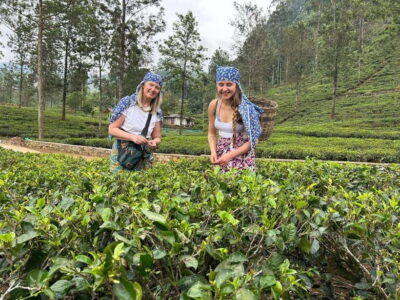
Nuwara Eliya Tuk-Tuk Tour Tea Picking,Tasting &Ramboda Falls
Read our review →

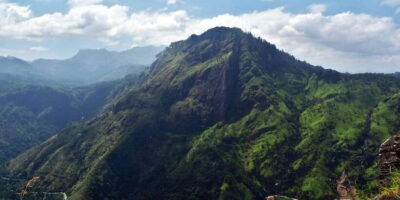
Tea Factory, Train, and Nine Arch Day Tour with Pickup
Read our review →
Ella Private Day Trip with Train Ride & Tea Factory-All Inclusive
Read our review →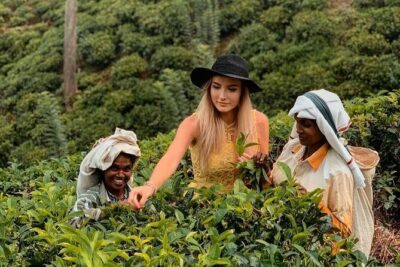

9 Arches Bridge, Little Adam’s Peak, Tea Factory
Read our review →Browse the lists this tour appears in