
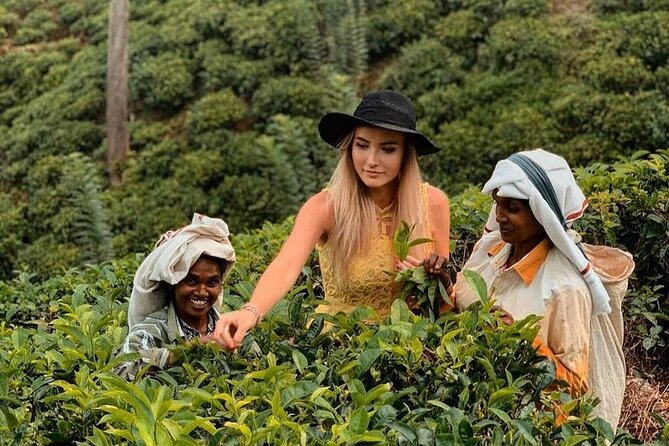
Reviewed · TEA COUNTRY & PLANTATION TOURS
Private Tea Tour and Tea Factory
Tea in Sri Lanka is more than a drink. This 3-hour private tour in Hatton walks you from tea bushes to the factory, step by step, so you can finally picture what happens before your cup reaches you. I like that you get hands-on moments like walking the tea fields and trying plucking, not just a lecture. I also like that the guide keeps the process practical, explaining each stage from withering to packing while you’re actually in front of the machines and workflow.
One consideration: this experience is weather-dependent. If fog or rain shuts things down, you’ll need flexibility since the tour may be moved or refunded, and parts of the route involve outdoor walking.
In This Review
- Key highlights you will care about
- From tea leaf to tea pot: what this 3-hour tour includes
- Meeting in Norwood, then into the Hatton tea zone
- Walking the tea fields and meeting pluckers
- Trying plucking yourself, without turning it into a workout
- Weighing stations plus a pluckers village and temple stop
- Inside the tea factory: withering to packing
- Freshly brewed tea: what to notice in your cup
- Price and value: why $20 makes sense in this setup
- Weather, timing, and what to bring for afternoon tea
- Who should book this tour, and who should consider skipping
- Should you book the Private Tea Tour and Tea Factory?
- FAQ
- How long is the Private Tea Tour and Tea Factory?
- Where does the tour take place?
- What time does the tour start?
- How much does it cost per person?
- How big is the group?
- Is it a mobile ticket experience?
- When will I receive confirmation after booking?
- What happens if the weather is bad?
- What is the cancellation policy?
- When does the tour end?
Key highlights you will care about
- Tea leaf to tea pot, with real factory steps: withering, rolling, drying, shifting, testing, and packing
- Tea field time, not just photo stops: you walk among the bushes and see how plucking works in practice
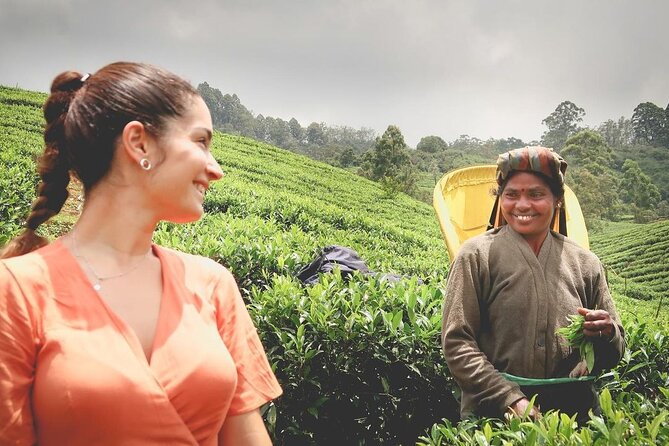
- Meet the pluckers and learn their technique: then you get the chance to try plucking yourself
- Weighing stations plus a pluckers village and temple: you see how the community fits the work
- Small group size: the tour caps at 10 people, which makes it easier to ask questions
From tea leaf to tea pot: what this 3-hour tour includes
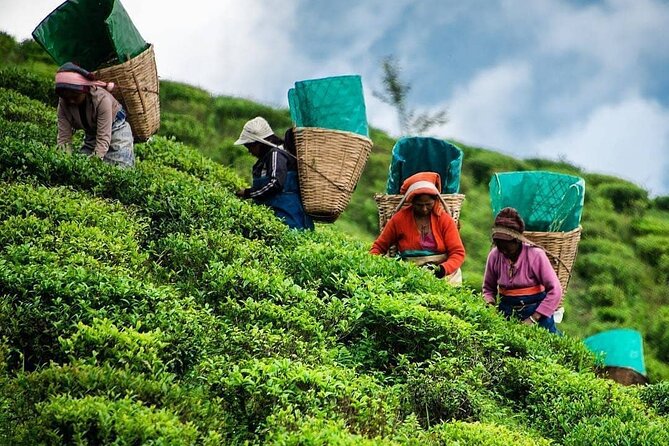
This tour is built around one simple idea: tea doesn’t start in the cup. It starts in a plantation, with skilled hands, then moves through processing steps that change the leaf’s shape and chemistry. In about 3 hours, you’ll cover the full chain, from walking in the tea fields to visiting a tea factory and tasting freshly brewed tea.
You’ll spend real time on the plantation side of the story, including meeting pluckers and learning their technique. Then you move into the production side, where you’ll learn how the leaf is handled through withering, rolling, drying, shifting, testing, and packing. The stops connect, so each processing stage makes sense instead of sounding like random tea-factory vocabulary.
The tea tasting at the end is key because it turns theory into something you can notice. Even if you do not become a tea expert, you can still understand what fresh brewed tea tastes like compared with the factory tea you might be used to buying.
More Tea Country Tours in Nuwara Eliya
- Nuwara Eliya Tuk-Tuk Tour Tea Picking,Tasting &Ramboda Falls
★ 4.9 · 207 reviews - Nuwara Eliya: Tea Factory and Pickle Waterfalls Tuk Tuk Tour
★ 4.7 · 113 reviews - Nuwara Eliya Tea factory and waterfall tour
★ 5.0 · 33 reviews
Meeting in Norwood, then into the Hatton tea zone
The tour starts at 2:30 pm at the Norwood meeting point (RJR9+WC Norwood, Sri Lanka). It runs for about 3 hours and ends back where you started, so you do not need to plan another leg of transportation right after.
Why that matters: a late afternoon start is often a nice balance in tea country. You avoid the harshest heat that can come earlier in the day, and you still have enough daylight for field walking and factory viewing. The itinerary is tight enough to feel efficient, but long enough to experience multiple stages of tea production without feeling rushed.
Also, the meeting location is noted as near public transportation. If you’re moving around the Nuwara Eliya area, that is helpful, because you can adjust your plan if your timing shifts.
Walking the tea fields and meeting pluckers
The first big payoff is the field time. You’ll walk amongst the tea in the tea fields, see the bushes up close, and understand why plucking is both a skill and a rhythm. Tea plants are not all the same height, and the quality depends on which leaves are picked and how consistently the plucking happens.
Then you meet the pluckers and learn their technique. You’ll hear how they handle the leaves, what they look for, and how they avoid damaging the plant while working efficiently. After the explanation, you even get a chance to try plucking yourself. That hands-on moment is more than a souvenir. It helps you appreciate why plucking takes training and why harvested tea quality varies from place to place and day to day.
If you want the experience to feel smooth, wear closed-toe shoes with decent grip. Tea estates can be uneven, and your feet will do most of the work while your hands learn the plucking motion.
Trying plucking yourself, without turning it into a workout
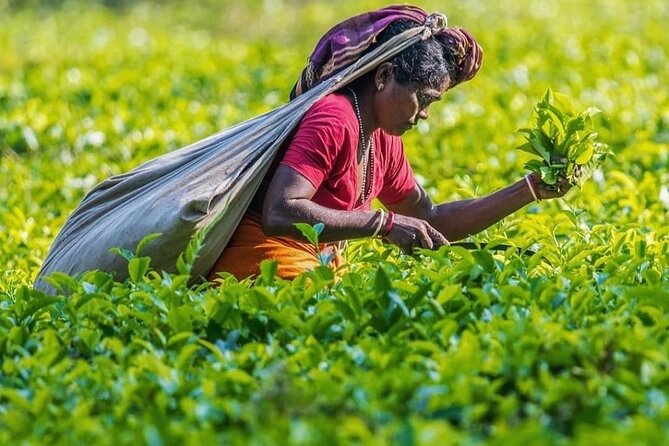
Trying plucking is where this tour becomes memorable. You’ll get guided help as you try it, and the goal is understanding, not speed. Still, it can feel physically different from normal sightseeing, since your hands and posture will be doing small repetitive motions at an outdoor work pace.
What I’d suggest you watch for: the guide’s cues about picking the right leaves and keeping the plant healthy. Even one or two minutes of supervised practice helps you see the work as skilled labor, not just picking leaves from a garden.
Also, since this is a small-group format with a maximum of 10 people, you’re more likely to get enough attention to understand what you’re doing. That makes a difference, especially if you’re not sure what to ask when you first arrive.
More tea country trips from Nuwara Eliya:
- Horton Plains-World’s End Tour and Tea Factory Tour From Nuwaraeliya
★ 5.0 · 16 reviews - NuwaraEliya Tea Factory,Plantation & Water Falls Hike Tour by Car
★ 5.0 · 12 reviews - Tea Plucking and Tea Factory: Visit from Nuwara Eliya
★ 4.8 · 4 reviews - Comprehensive Excursion: Horton Plains and Pedro Tea Factory
★ 4.5 · 4 reviews
Weighing stations plus a pluckers village and temple stop
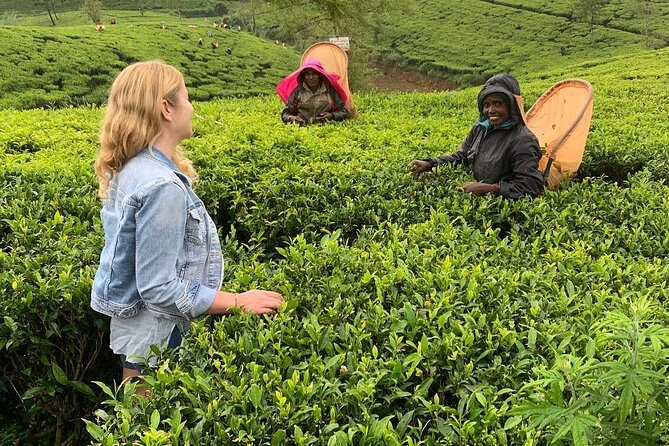
Between field work and factory work, you’ll visit key “in-between” stops. One is the weighing stations. This matters more than it sounds. Weighing is where production becomes organized and measurable, and it reflects how tea harvest gets tracked and moved into processing.
You’ll also visit the tea pluckers village and temple. This is a practical context stop that helps you see tea work as part of daily life, not just a backdrop for a tour. It’s the kind of stop that makes the region feel real, because you’re seeing where the workforce lives and where community and routine connect.
The value here is balance. If all you did was walk fields and then walk into a factory, you might miss the human side of tea. These stops bridge that gap, giving you a sense of how the plantation system ties into community spaces.
Inside the tea factory: withering to packing
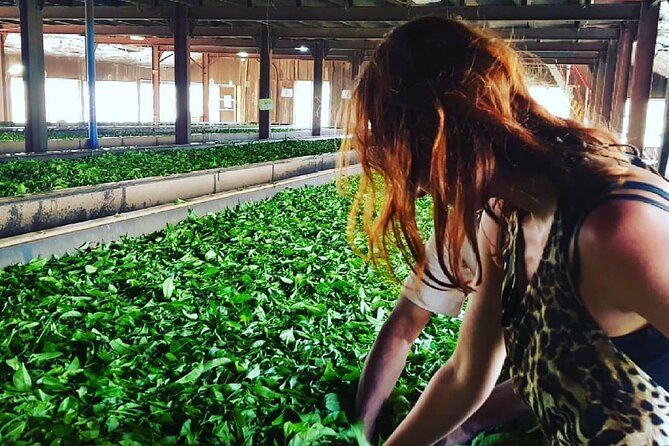
The factory visit is the core “wow, now I get it” moment. You’ll learn how the leaf gets processed, and you’ll go through each stage in order:
- Withering
- Rolling
- Drying
- Shifting
- Testing
- Packing
Here’s what you can pay attention to at each step, so the explanations stick.
Withering is where leaves lose some moisture and become more workable. It’s also where time matters, because the leaf is not being roasted yet, it’s being prepared for what comes next.
Rolling changes the leaf shape. In plain terms, rolling helps break the leaf so tea chemistry can develop during oxidation and later flavor. You might see why the action is not random. The process is consistent on purpose.
Drying stops further changes and locks in the style you’re aiming for. Even without technical details, you’ll likely notice the difference between wet leaf handling and heat-based finishing.
Shifting is basically sorting and separating. It’s one of those steps people skip in their mental model of tea, but it’s crucial for consistency. Sorting affects the look and the brew strength you end up with.
Testing is where batches get evaluated. This is the stage that turns all the earlier steps into an agreed standard, so what ends up packed is what the product is supposed to be.
Packing is the final bridge to your cupboard. Seeing it in person helps you understand why tea processing is not just about flavor, it’s about uniformity too.
I like that this tour walks you through the workflow in the correct sequence. When you know what each step is doing, you start to understand why one tea tastes brighter or heavier than another, even if you do not know all the jargon.
Freshly brewed tea: what to notice in your cup
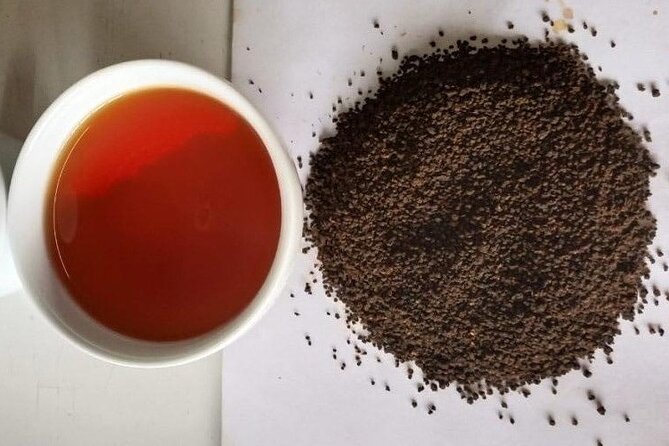
You’ll drink freshly made and brewed tea at the end. That single detail is worth planning your afternoon around, because it’s your reality check.
When you taste, don’t rush. Notice the aroma first, then the first sip, then how it finishes. Fresh tea often feels different from tea that has been sitting, packed, and shipped. You might find it tastes cleaner or more direct, which makes the factory steps feel less abstract.
Also, if you like one specific cup more than another, you’re already training your taste memory. That’s how you become the kind of person who buys tea with a purpose, not just by label.
Price and value: why $20 makes sense in this setup
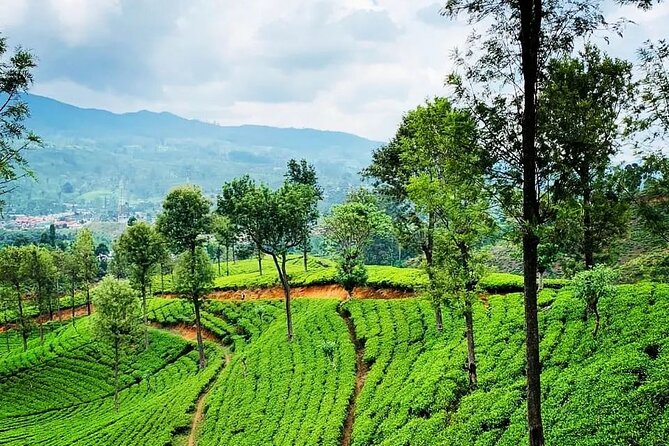
The price is $20.00 per person for an approximately 3-hour experience in Hatton, with a mobile ticket and a maximum of 10 travelers. That price feels fair if you think about what’s included: guided walking in the fields, meeting pluckers, a hands-on plucking try, community stops like a pluckers village and temple, and then the factory walk-through covering multiple processing stages.
In other words, you are not paying just for access to a viewpoint. You’re paying for interpretation, time with a guide, and a full chain from cultivation to processing. That kind of structure is what turns a tea tour from a nice afternoon into a lesson you keep using the next time you brew tea.
Booking about 28 days in advance on average is a useful clue. Popular tea experiences in this part of Sri Lanka can fill up, especially in the afternoons. If you have a set travel plan, I’d recommend locking it in sooner rather than later.
Weather, timing, and what to bring for afternoon tea
This experience requires good weather. If poor conditions affect the tour, you’ll be offered a different date or a full refund. That’s important because at least part of your time is outdoors, walking in the tea fields and moving between plantation and factory zones.
So I’d plan like this:
- Bring a light rain layer or at least something you can pull on quickly.
- Wear comfortable closed-toe shoes.
- If you’re sensitive to mist and cold, bring a layer for later in the day. Tea country weather can shift.
The 2:30 pm start can also be a hint that you’ll spend a good chunk of time outside when the air feels cooler than midday. If you run warm easily, you might still want a thin layer in a daypack.
Who should book this tour, and who should consider skipping
This tour is a great match if you want to connect the dots. If you care how your tea is made, or you enjoy seeing work processes firsthand, you’ll like the field-to-factory flow.
It also suits people who like guided instruction. The tour is designed around learning: meeting pluckers, learning their technique, trying plucking, then learning each factory stage. That structure makes it ideal for first-time tea learners.
You might consider skipping or adjusting expectations if you dislike outdoor walking or you’re traveling with very strict timing. This is a focused 3-hour block tied to weather, and it ends where it starts, so you need to be ready for that rhythm.
Should you book the Private Tea Tour and Tea Factory?
If you’re in Nuwara Eliya and want a tea experience that actually explains the product, I think this is a strong choice. The best part is the full chain: tea fields, pluckers, weighing stations, a pluckers village and temple, and then the processing stages inside the tea factory. You come away with a clear mental map of how tea moves from leaf to cup.
Book it if you want practical learning and a small-group feel. I’d also book it if you enjoy tasting tea on the other side of the explanation. That brew at the end is not filler, it’s part of the lesson.
FAQ
FAQ
How long is the Private Tea Tour and Tea Factory?
It runs for about 3 hours.
Where does the tour take place?
The tour is in Nuwara Eliya, Sri Lanka, specifically around Hatton’s tea region. The meeting point is RJR9+WC Norwood, Sri Lanka.
What time does the tour start?
The start time is 2:30 pm.
How much does it cost per person?
The price is $20.00 per person.
How big is the group?
This tour has a maximum of 10 travelers.
Is it a mobile ticket experience?
Yes, it includes a mobile ticket.
When will I receive confirmation after booking?
Confirmation is received within 48 hours of booking, subject to availability.
What happens if the weather is bad?
This experience requires good weather. If it is canceled due to poor weather, you’ll be offered a different date or a full refund.
What is the cancellation policy?
You can cancel for a full refund up to 24 hours in advance of the experience’s start time. If you cancel less than 24 hours before the start time, the amount paid is not refunded.
When does the tour end?
The activity ends back at the meeting point.
Recent additions in Nuwara Eliya
- Private Tour in Horton Plains National Park ( World’s End) with Pickup★ 4.5 · 7 reviews
- Explore Nuwara Eliya | Experience the Best Tea in the World★ 4.5 · 3 reviews
- Train Tickets from Nanuoya (NuwaraEliya) to Ella★ 3.5 · 37 reviews
- NuwaraEliya Tea Factory,Plantation & Water Falls Hike Tour by Car★ 5.0 · 12 reviews
- Tea Plucking and Tea Factory Visit from Nuwara Eliya.★ 3.5 · 3 reviews
- Nuwara Eliya Tours★ 5.0 · 4 reviews
- Nuwara Eliya Day Tour★ 5.0 · 28 reviews
- Nuwara Eliya: All Inclusive Horton Plains & Tea Plucking Day Trip★ 4.5 · 10 reviews
Tea Country & Plantation Tours, compared.
Uva Halpewatte Tea Factory Tour in Ella Sri Lanka
Read our review →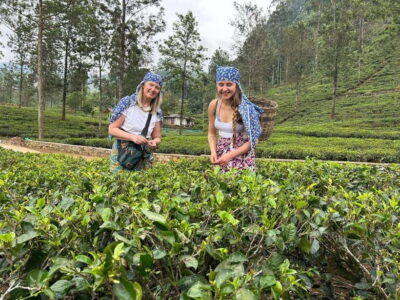
Nuwara Eliya Tuk-Tuk Tour Tea Picking,Tasting &Ramboda Falls
Read our review →

Tea Factory, Train, and Nine Arch Day Tour with Pickup
Read our review →
Ella Private Day Trip with Train Ride & Tea Factory-All Inclusive
Read our review →
9 Arches Bridge, Little Adam’s Peak, Tea Factory
Read our review →Browse the lists this tour appears in