
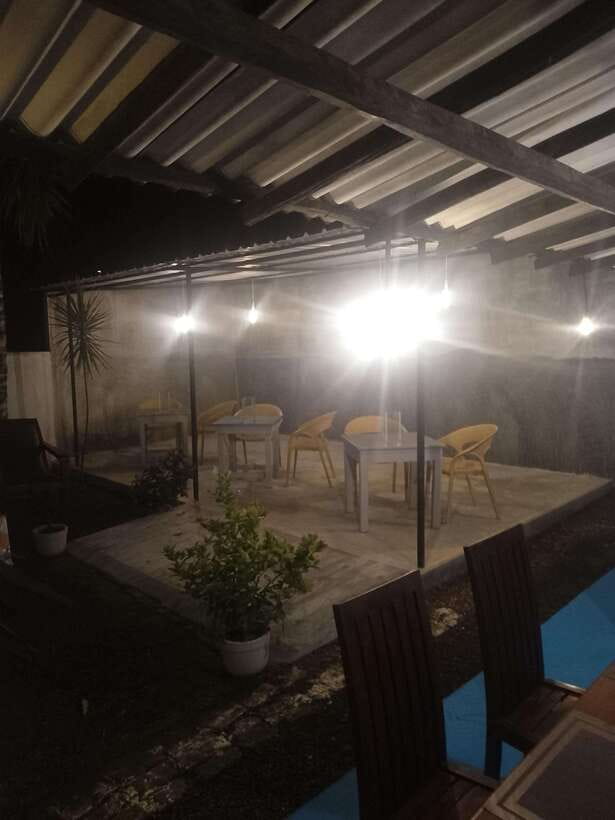
Reviewed · COOKING CLASSES
Sri Lanka: Cooking Class
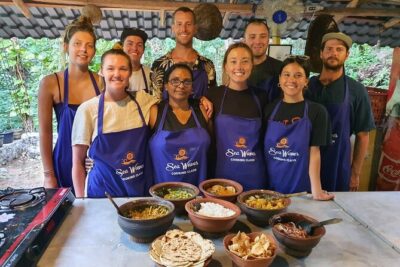
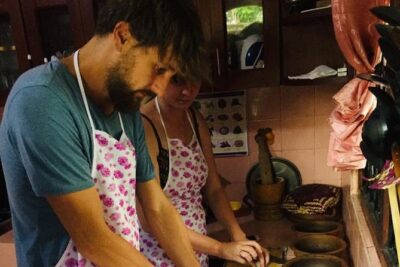
Sri Lanka tastes better after you cook it. This hands-on cooking class in Kotapola teaches you how traditional flavors come together, with a strong focus on spices, rice, coconut, and how Sri Lanka’s food history was shaped by trade. I like that you cook with your host, not just watch, so the lesson sticks fast. The whole session also ends with you eating what you made.
What I especially like is the way the host adapts the menu to your needs. In at least one class, Rnishani asked about diet and preferences ahead of time, then guided the group with clear safety-minded steps while you worked.
One real drawback to consider is spice level. Even when you request less spicy, some dishes may still be too hot for sensitive palates, so it helps to speak up early and be specific about your tolerance.
In This Review
- Key points you should know before you go
- Kotapola cooking class, the kind you remember
- The 3-hour flow, what typically happens in the kitchen
- Spice lessons that actually help you cook back home
- What dishes you can expect to learn (and how to manage heat)
- Dining with your hosts, where the lesson lands
- Price and value: what $50 gets you in practice
- Who this is best for (and who should think twice)
- Practical tips for a smoother class day
- Should you book this Sri Lanka cooking class?
- FAQ
- How long is the Sri Lanka cooking class in Kotapola?
- Where does the class take place?
- What does the class cost?
- Is an English guide included?
- How do hotel pickup and drop-off work?
- What is included in the price?
- Are meals included?
- Can the menu be adjusted for diet or preferences?
- Is it suitable for wheelchair users or mobility impairments?
- What should I wear and should I bring alcohol?
Key points you should know before you go
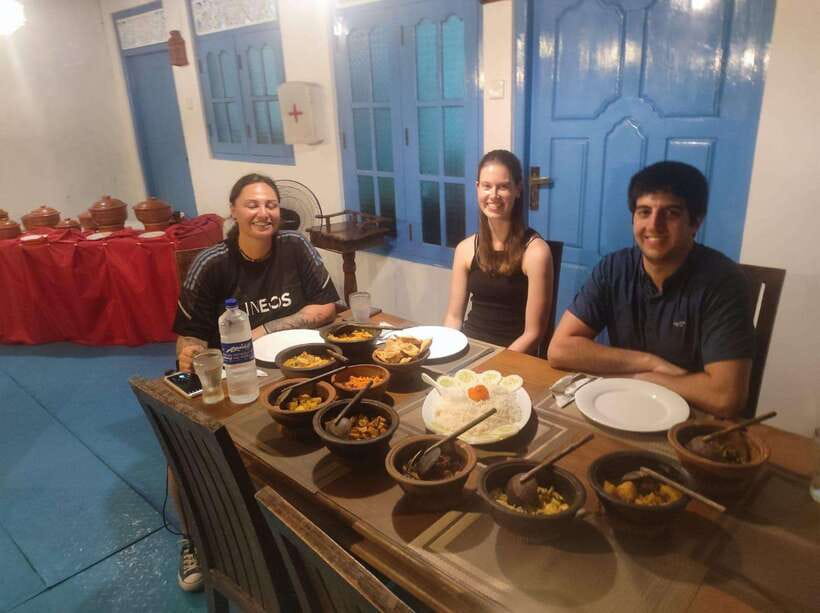
- Tuk-tuk pickup from your hotel or villa around Kotapola, timed for convenience
- English-speaking guide, so spice terms and cooking steps are explained clearly
- You cook multiple dishes (often around 7 to 8 in a session) rather than one “demo”
- Spice focus with practical lessons you can repeat at home
- Diet and preferences can be accommodated, at least in some runs
- Check your heat level early, because “less spicy” may not mean mild for everyone
Kotapola cooking class, the kind you remember
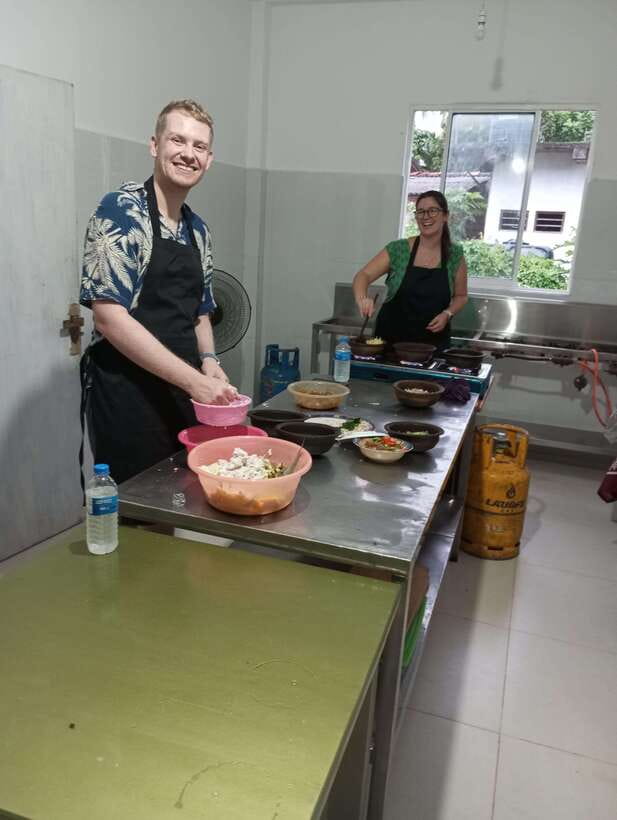
This 3-hour Sri Lanka cooking class is built around one simple idea: if you want Sri Lankan food to make sense, you need to touch it, smell it, and cook it yourself. The experience is set in Kotapola, with hotel pickup and drop-off included, so you are not wasting your limited time figuring out local transport.
The class also has a built-in storytelling layer. You get the cultural context for what you are cooking, including how Sri Lanka’s position as a historic ocean trade hub brought ingredients and influences alongside local traditions.
At a price of $50 per person for 3 hours, what makes it feel reasonable is that you are paying for more than a meal. You are paying for an English guide, a host-led kitchen lesson, and a full “finish line” where you sit down and taste your work with your hosts.
More cooking classes in Mirissa:
- Mirissa: Cooking Class with Beer and Meal
★ 3.3 · 4 reviews - Ella: Traditional Sri Lankan Cooking Class
★ 4.9 · 788 reviews - Organic cooking class sigiriya (kumara & family)
★ 5.0 · 650 reviews
The 3-hour flow, what typically happens in the kitchen
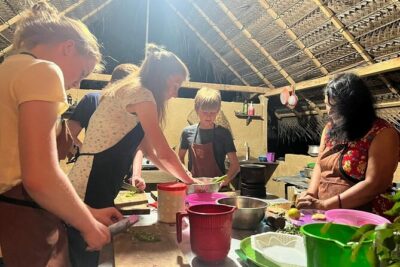
You should think of this as a full cooking session, not a quick tasting workshop. The session runs for about 3 hours, and it is structured so you actively participate while your host explains what matters and why.
In most setups like this, the pacing tends to be hands-on from the start: you will prep ingredients, learn how spices are used, and then cook a mix of dishes. One key detail you can take to heart is the range. You can end up making around 7 to 8 different dishes, which is a lot for a half-day class. That means you will not just practice one curry. You will see how Sri Lankan cooking uses repeated building blocks in different combinations.
You’ll also want to arrive ready to cook vegetables and possibly meat dishes. The class notes specifically mention that you may cook different kinds of vegetables and meat, and that simple clothing helps you work well.
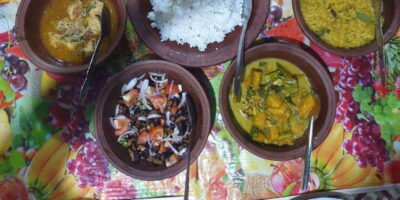
At the end, you dine with your hosts and savor what you cooked. That part is more than the payoff. It’s how you learn what balance tastes like once everything is cooked together.
Spice lessons that actually help you cook back home
Sri Lankan cuisine is known for its spice combinations, and this class leans into that. Instead of treating spices as mysterious powder, you learn their role in building flavor across multiple dishes.
Here’s what that means for you. When you leave, you should have a clearer sense of how spices interact with other core ingredients like rice and coconut. Those two show up constantly in Sri Lanka, and they help explain why so many curries taste layered rather than one-note.
You also get exposure to the seafood side of the cuisine, since fish is important whether it’s fresh or preserved. Even if your specific menu varies, you get the ideas behind those choices, because the class is meant to be more than just recipes.
And then there is the practical part: you learn cooking steps in a kitchen workflow you can actually repeat. Clear instructions matter here, and the class is designed for it, with hosts who guide you carefully while you cook.
What dishes you can expect to learn (and how to manage heat)
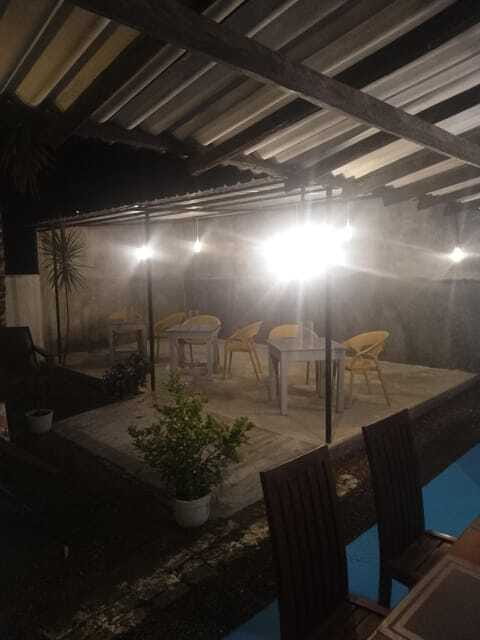
You’ll likely work through a menu that includes a mix of vegetables and meat, and you may also handle Sri Lankan staples that often revolve around rice and coconut. Since the class is hands-on and menu choices can change, the exact dishes can vary by session and by your stated preferences.
This is where you should pay attention to one important lesson from past participants: spice level can be tricky. One participant specifically said the food was far too spicy even after requesting less spicy, to the point that some people could not eat it at all. Another class was described as carefully guided and adjusted based on diet, so there is good communication potential too.
So, how do you manage this?
- Tell the host your heat tolerance clearly before cooking starts.
- If you can, give an example like mild, medium, or you prefer no heat.
- If you are cooking and you notice the mix is trending too hot, stop and tell them right away so they can adjust as you go.
You are not asking for special treatment. You are helping the host choose the right balance for your group.
A few more Mirissa trips to line up
- Surf & Stay – Private Surf Lesson Experience in Weligama
★ 4.5 · 29 reviews - Surf & Stay: Private Surf Lesson in mirissa
★ 4.4 · 15 reviews - Kandy Village Cooking Class
★ 5.0 · 536 reviews - Sea waves sri lankan cooking class
★ 5.0 · 467 reviews
Dining with your hosts, where the lesson lands
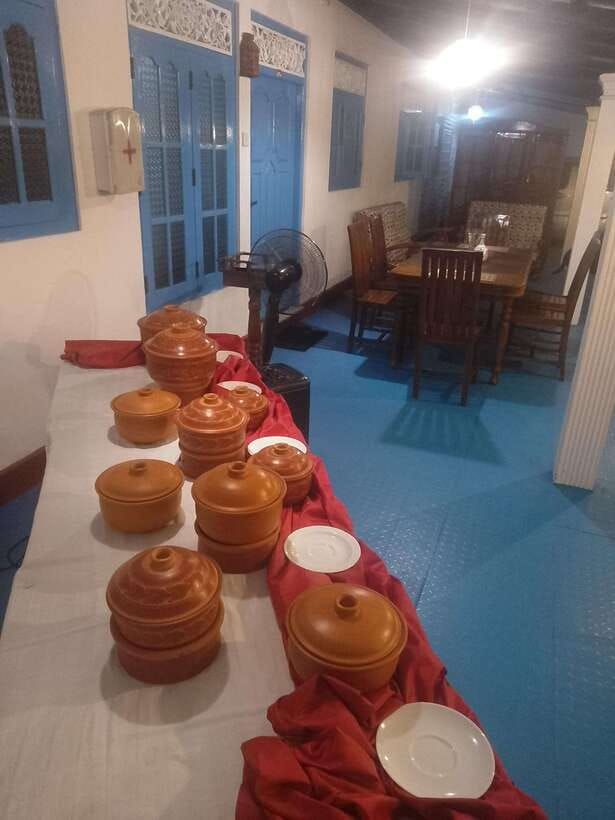
The meal at the end is part of the learning, not an afterthought. You taste the dishes you cooked alongside the people who taught you, which makes it easier to understand how each dish should be eaten and what flavor you are aiming for.
This is also where Sri Lankan food context becomes real. The cooking history is not just lecture. When you taste, you can connect ideas like trade influences and local traditions to the flavors on your plate.
If you are curious about daily life, this is a good moment to ask questions. The class highlights that you get to know your hosts and learn about their daily lives in Sri Lanka, which turns the experience from a food-only workshop into a cultural exchange.
Price and value: what $50 gets you in practice
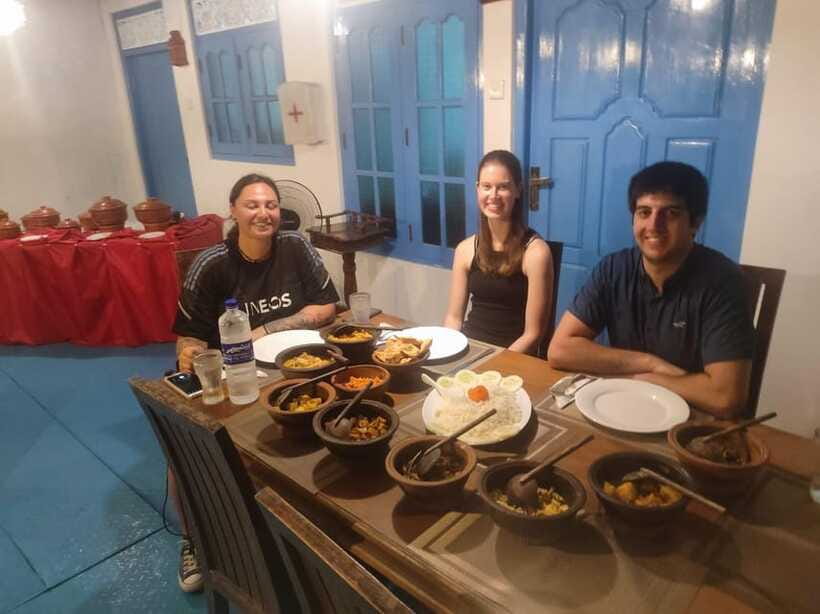
$50 per person for a 3-hour cooking class with pickup and an English-speaking guide is not just “a cheap activity.” It’s the kind of price that usually reflects three things: guided instruction, time in someone’s kitchen, and the effort of preparing and teaching around your group.
Here’s what is included:
- Professional English-speaking guide
- Entrance fees to all sites (if any are part of the plan)
- Bottled water
- Hotel pickup and drop-off, including tuk-tuk transfer in the Kotapola area, with pickup arranged around your location
What is not included:
- Meals and beverages (but the class culminates in eating what you cooked, so you are not paying extra for that part through the activity cost)
- Personal expenses
For you, the value question is simple. If you want to leave with practical skills, multiple dishes under your belt, and a finished meal, this tends to be worth it. If you only want a light snack or a passive cooking demo, you might prefer a different format.
Who this is best for (and who should think twice)
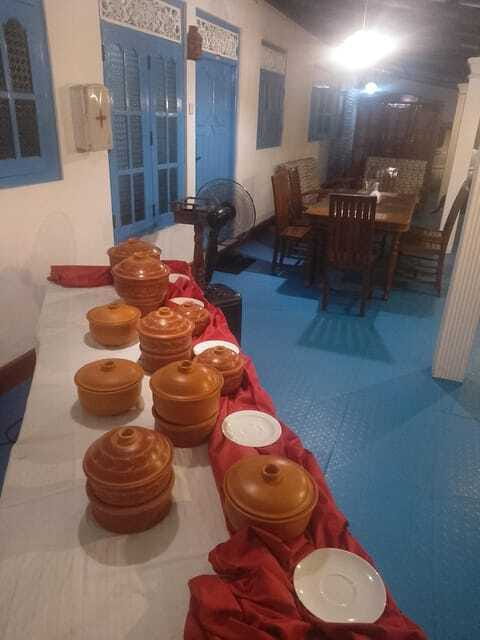
This is a great fit for people who like to cook, learn by doing, and want a hands-on introduction to Sri Lankan flavor logic. It’s also ideal if you enjoy spice education, because the class is built around why spices matter and how they’re used.
It’s also a good choice if you want a structured experience with pickup included, so you can spend your energy learning instead of navigating.
Two cautions, though:
- Mobility notes are inconsistent. The activity is marked wheelchair accessible in one place, but it also says it is not suitable for mobility impairments and wheelchair users. If you have mobility needs, plan to contact the operator before booking and ask what the kitchen and seating setup looks like.
- The class asks that you not come drinking. That’s for safety and comfort of the host and everyone working in the kitchen.
Practical tips for a smoother class day
Start with clothing. The host guidance says you can wear simple clothing that helps you work well, especially since you’ll be handling ingredients and moving around during cooking. Comfortable shoes also make sense, though the class data focuses most on simple clothing that lets you work easily.
Next, plan your mindset. This is not a “sit and watch.” You are expected to participate, and the kitchen safety approach matters. You’ll work with care, and the host should give clear instructions.
Then, manage expectations around spice. Even if you request less spicy, you might still end up with heat you do not love. Speak early, and don’t wait until halfway through to mention your tolerance.
Finally, if you have dietary preferences, it’s worth communicating them ahead of time. One host, Rnishani, reportedly asked about diet and preferences to prepare the kitchen accordingly. That’s a strong sign the class can adapt when you tell them what you need.
Should you book this Sri Lanka cooking class?
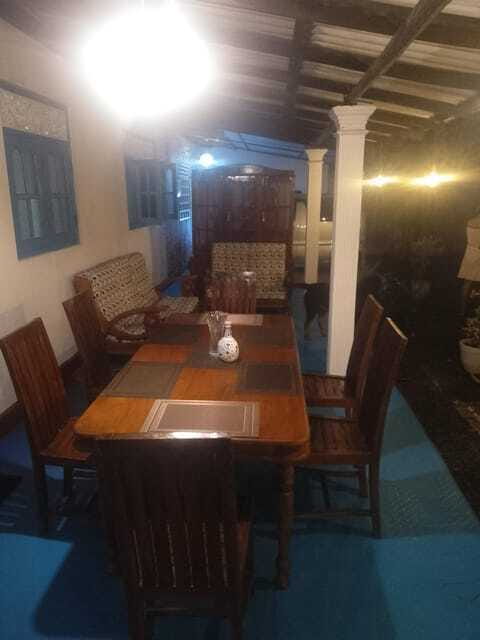
Book it if you want a hands-on, English-guided kitchen lesson that teaches how Sri Lankan food works, especially the role of rice, coconut, seafood, and spices. You’ll also likely get the satisfaction of cooking multiple dishes in a single session and finishing with a meal shared with your hosts.
Skip or at least message first if spice sensitivity is a big concern for your group, or if you have mobility limitations that might make a kitchen setting difficult. With those two points handled upfront, this is the kind of activity that turns Sri Lanka from a destination into a skill you carry home.
FAQ
How long is the Sri Lanka cooking class in Kotapola?
The class lasts 3 hours.
Where does the class take place?
The location listed for the experience is Kotapola, Sri Lanka.
What does the class cost?
The price is $50 per person.
Is an English guide included?
Yes. The experience includes a live tour guide who speaks English.
How do hotel pickup and drop-off work?
Pickup and drop-off are included. You are picked up from your hotel or villa around the area, using a tuk-tuk transfer timed to be within about 30 minutes.
What is included in the price?
The activity includes a professional English-speaking guide, entrance fees to all sites, bottled water, and hotel pickup and drop-off.
Are meals included?
Meals and beverages are listed as not included. The activity ends with you dining with your hosts, but meals and drinks are not separately included as a general add-on.
Can the menu be adjusted for diet or preferences?
The class description highlights cooking with consideration for what will work for participants, and one review mentions the host asked about diet and preferences prior to the activity.
Is it suitable for wheelchair users or mobility impairments?
The notes are mixed: the activity is tagged as wheelchair accessible, but it is also stated that it is not suitable for people with mobility impairments and wheelchair users. If mobility is a concern, confirm details with the provider before booking.
What should I wear and should I bring alcohol?
Wear simple clothing that helps you work well. The notes also ask that you do not come drinking, for safety during the cooking.
Recent additions in Mirissa
- Surf & Stay: Private Surf Lesson in mirissa★ 4.4 · 15 reviews
- Snorkeling Trip from Polhena Beach, Matara, Sri Lanka★ 3.8 · 11 reviews
- Scuba Diving in Mirissa★ 5.0 · 4 reviews
- Mirissa: Whale Watching Cruise★ 3.1 · 5 reviews
- Mirissa/Galle/Hikkaduwa: Transfer to Ella & Udawalawa Safari★ 5.0 · 3 reviews
- Mirissa: Whale & dolphin Watching Boat Tour with Breakfast★ 4.0 · 8 reviews
- Mirissa: Cooking Class with Beer and Meal★ 3.3 · 4 reviews
- All Inclusive Mirissa Whale and Dolphin Watching Boat Ride★ 4.5 · 29 reviews
Cooking Classes, compared.
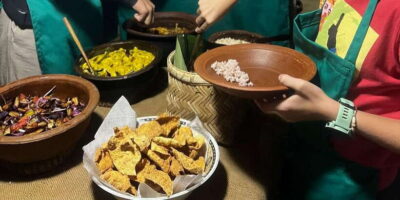
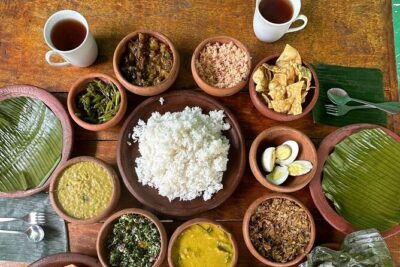
Organic cooking class sigiriya (kumara & family)
Read our review →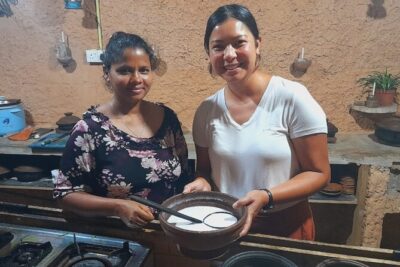
Sri Lankan Cooking Class with Neranji at Homestay
Read our review →
Browse the lists this tour appears in