
Reviewed · SCUBA DIVING
PADI Scuba Diver Course
Two days to breathe underwater.
The PADI Scuba Diver course in Sri Lanka is a focused, step-by-step start to scuba, with clear limits and hands-on coaching. I like how the program is structured around short theory, then controlled practice, then open-water sessions, so you are not just watching videos and hoping for the best.
What I especially like is the practical setup: private transportation, snacks, coffee and/or tea, bottled water, and scuba equipment are included. The class size caps at 8 travelers, which usually means more attention in the water.
One drawback to plan for is cost and limits: the course fee does not include the PADI fee (70 Euros) for the manual and certification costs, and this certification caps your training dives with a PADI Professional to 12 m.
In This Review
- Key things you’ll want to know upfront
- PADI Scuba Diver in Sri Lanka, what you earn and what it limits
- Negombo listing, Unawatuna start: where the course actually begins
- How the 2 to 3 day schedule flows, from theory to open water
- Classroom theory: why the “no exam” part can still be a win
- Confined water training: where comfort becomes a skill
- The open-water morning: what happens from 8:30 am to around 1 pm
- Instructor style and safety habits that show up in reviews
- What’s included in your $240.23 course fee, and what costs extra
- Depth limits and independence: choosing Scuba Diver vs Open Water Diver
- Who this course suits best in Sri Lanka
- Booking, weather, and how flexible this experience is
- Should you book the PADI Scuba Diver course with Divinguru?
- FAQ
- What is the maximum depth allowed with the PADI Scuba Diver certification?
- How long is the PADI Scuba Diver course?
- What parts of the PADI Open Water Diver curriculum are included?
- What is included in the price of $240.23 per person?
- What fees are not included?
- How big is the group?
- What happens if the weather is poor?
Key things you’ll want to know upfront
- A true starter path: the Scuba Diver course is a subset of PADI Open Water Diver, with training designed for your first certification.
- Small group format: maximum 8 travelers, helpful when you are learning buoyancy and comfort skills.
- Structured timing: about half-day theory, about half-day confined-water training, then one morning of open-water sessions.
- Your certification limits: you can go underwater with a PADI Professional to max 12 m.
- In-water coaching quality shows up in reviews: instructors are described as calm, patient, and careful with safety.
- Budget the extra PADI fee: 70 Euros is separate from the course price.
PADI Scuba Diver in Sri Lanka, what you earn and what it limits
The PADI Scuba Diver course is PADI’s first certification step. It is designed to get you confident enough to go underwater with a PADI Professional, to a maximum depth of 12 m. That is the key point to understand before you book, because it shapes what future trip options you’ll have.
Think of it like a strong foundation, not the final course. If your goal is to be fully independent with your buddy and go to 18 m, PADI recommends the PADI Open Water Diver course instead. So if you already know you want the broader 18 m and buddy-to-buddy freedom, you may be better off skipping straight to Open Water Diver.
A few more Negombo trips to line up
- Scuba Diving For Beginners
★ 5.0 · 10 reviews - PADI Scuba Diver Course
★ 5.0 · 30 reviews - Scuba Diving at Unawatuna
★ 5.0 · 21 reviews
Negombo listing, Unawatuna start: where the course actually begins
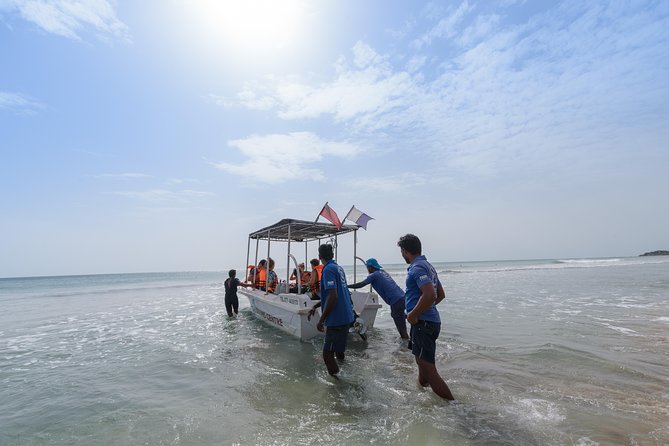
The experience is listed for Negombo, but the meeting point is in Unawatuna at Divinguru Unawatuna, a PADI 5 Star IDC Dive Resort on Matara Rd. The operator also includes private transportation, so you should expect movement between the meeting point and training locations as part of the schedule.
Either way, start your planning around the meeting address in Unawatuna, since that is where the day begins and the activity ends back there. If you are coming from elsewhere in Sri Lanka, it helps that the meeting point is described as near public transportation.
How the 2 to 3 day schedule flows, from theory to open water
The Scuba Diver course takes around 2 to 3 days. Your training splits into three main parts:
1) Theory (about half a day)
You complete the first 3 sections of the PADI Open Water Diver course, but importantly, there is no exam for these parts in this course track.
2) Confined water training (about half a day)
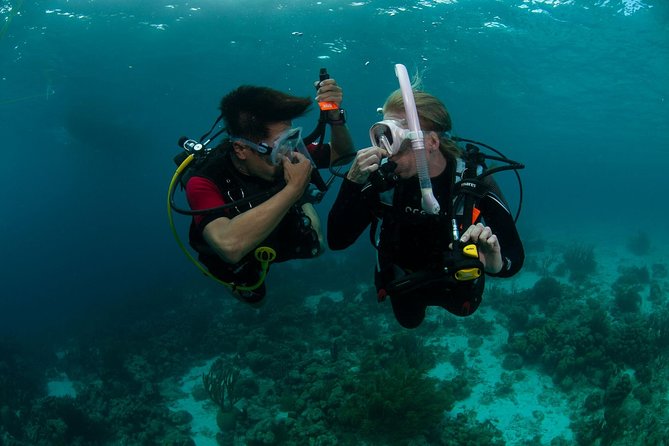
This covers the first 3 dives from the Open Water Diver curriculum, done in controlled conditions. In plain terms, this is where you practice the basics with the instructor close by and the environment predictable.
3) Open-water sessions (one day, about 8:30 am to around 1 pm)
You complete a day with two open-water sessions, using what you practiced earlier. The morning timing matters because it tends to make for a smoother start to the final application phase of the course.
If you are trying to fit scuba into a short vacation window, this is relatively efficient. You are not looking at weeks of training, but it still gives you the usual pacing: learn the theory, drill the skills in a controlled setting, then apply them outdoors.
Classroom theory: why the “no exam” part can still be a win
You might be thinking, no exam means it is easier. In practice, it can be a smart trade. This course requires the first part of the Open Water Diver theory, which means you get the conceptual framework for safe scuba. You are just not doing the exam step at this stage.
For many first-timers, that can reduce pressure. You get time to ask questions and build understanding before you ever do the more demanding parts in the water. And because the theory is tied directly to the first training sessions you do later, it does not feel disconnected.
Within the same drive of Negombo, but a different sort of day:
- AirPort CMB to Colombo (Private Taxi 24/7) Car, Van, Minibus
★ 5.0 · 604 reviews - 8 Days tour in Sri Lanka with privet driver and accommodations
★ 5.0 · 472 reviews - Negombo city tour by Tuk Tuk Hotel Pickup & Guide
★ 5.0 · 221 reviews - Private Car & Driver for 07 Days Tour In Sri Lanka
★ 5.0 · 199 reviews
Confined water training: where comfort becomes a skill
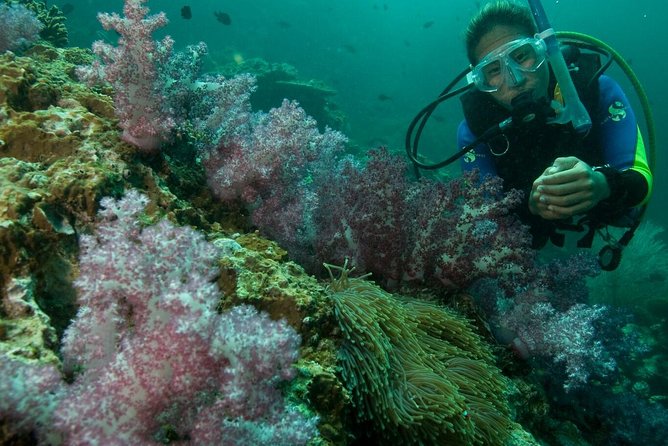
Confined water training is where most beginners either relax or panic. The advantage of this course format is that it is designed to develop comfort in steps. You practice the first 3 dives from the Open Water Diver curriculum in a controlled environment, so you can focus on technique and breathing without the added stress of dealing with open-water variables.
Based on past student feedback from the same center, instructors tend to explain things clearly, then stay attentive during practice. Names that come up in reviews include Ellie and Eliška, with feedback specifically praising calm, patient teaching and instructors who make students feel safe while learning.
You should still go in with the right mindset: you will learn best if you treat this as practice, not performance.
The open-water morning: what happens from 8:30 am to around 1 pm
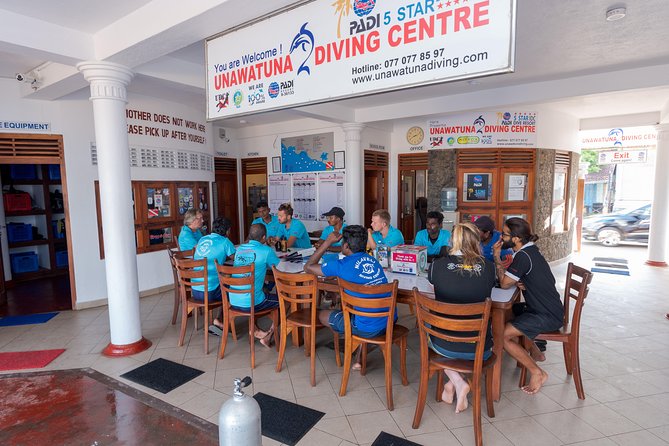
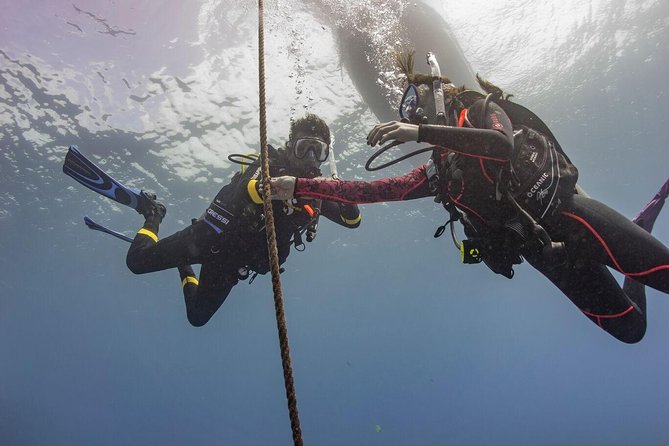
The final day is built around one morning of two open-water sessions, roughly from 8:30 am to around 1 pm. This is where you take the skills from confined water and use them in the real environment.
Even though the schedule window is short, the training focus is not speed. It is about applying what you learned, staying calm, and following the instructor’s guidance. You will also see why the Scuba Diver credential has a limit. Your certification enables going underwater with a PADI Professional and staying within the program’s depth constraints.
Instructor style and safety habits that show up in reviews
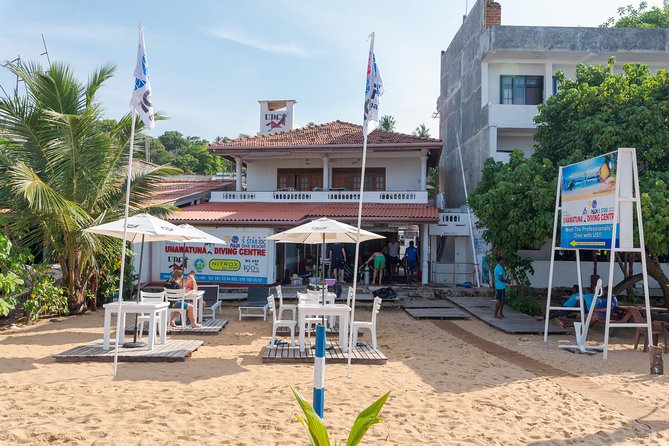
Quality instruction matters more than any brochure. In the reviews associated with this dive school, students consistently described instructors as professional, patient, and careful about safety while still keeping the experience fun.
Several instructor names appear in the feedback, including Fabeo, Alex, Ellie, Norbert, Delphine, and Eliška. One review notes the teaching was in multiple languages and that the instructor was very comfortable in English. Another highlights that the instructor took time and made the experience feel safe for a first underwater try.
I take those patterns seriously when deciding if a course is worth it. Scuba is technical, but the emotional part is just as real. You want instructors who slow things down when you need it and do not rush when you are learning.
What’s included in your $240.23 course fee, and what costs extra
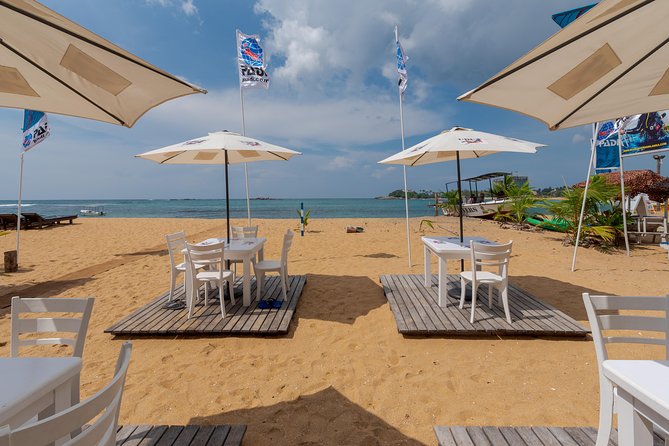
Here is the value picture as plainly as possible.
Included in the course price
- Bottled water
- Coffee and/or tea
- Private transportation
- Snacks
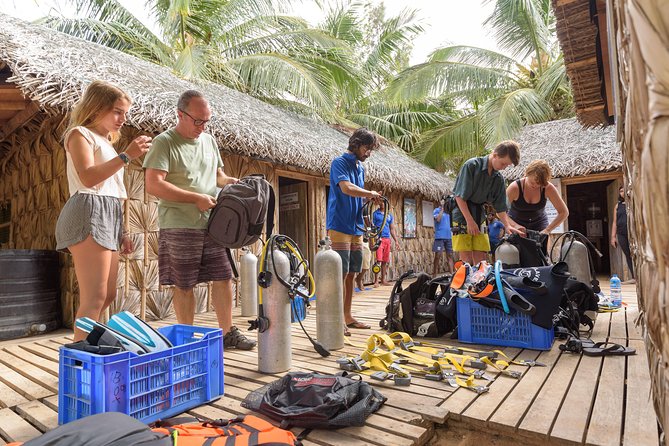
- Use of scuba equipment
That list is practical. If equipment and transportation are handled for you, you spend less time coordinating and more time learning.
Not included
- Lunch
- PADI fee: 70 Euros for the PADI Scuba Diver manual and PADI certification costs
This is the big budgeting item. The course price of $240.23 per person is not the full story. You should plan for the extra 70 Euros on top, since that is the cost for certification materials and the certification itself.
If you prefer to travel light and keep logistics simple, this included list helps. If you already have scuba gear, you still benefit because the course includes equipment use anyway.
Depth limits and independence: choosing Scuba Diver vs Open Water Diver
Your next decision is what you do after this course, or even during your booking. The Scuba Diver certification allows you to go underwater with a PADI Professional to max 12 m. That is excellent for your first certification and for building confidence.
But if your goal is independent buddy diving up to 18 m, PADI advises the Open Water Diver course. This is not about being better or worse. It is about whether you want flexibility sooner.
So ask yourself one question: do you want a first credential to get started, or do you want a credential that gives you more independence right away? If it is independence you want, Open Water Diver is the safer bet. If it is learning and confidence, Scuba Diver can be the right first step.
Who this course suits best in Sri Lanka
This course is described as having a moderate physical fitness requirement. That matches what you would expect for early scuba training: you are not doing extreme sports, but you are working with equipment and doing controlled water sessions.
It also fits well if you:
- want a structured first scuba certification (not just a one-time experience)
- like small group learning, since the maximum group size is 8 travelers
- want private transportation and equipment handled
- appreciate instructors who are calm and safety-focused, based on past feedback from named instructors like Ellie, Eliška, Norbert, and others
If you are traveling solo, the center’s reviews suggest you can feel welcomed. One review specifically mentions feeling welcome as a solo traveler and highlights an instructor taking time with the student.
Booking, weather, and how flexible this experience is
Scuba is weather-dependent, and this experience notes that it requires good weather. If it is canceled due to poor weather, you are offered a different date or a full refund.
Confirmation is received at booking time unless you book within 1 day of travel, in which case confirmation comes as soon as possible subject to availability. If you like easy planning, that helps.
If your schedule is tight, I suggest you keep some flexibility for the open-water morning, since that is where conditions can matter most.
Should you book the PADI Scuba Diver course with Divinguru?
I think this course is a strong option if you want a practical first certification and you are okay learning within a structure that keeps you paired with a PADI Professional to 12 m. The included equipment, snacks, transport, and the small group size add up to good value, especially for first-timers who do not want extra logistics.
Book it if:
- you want a clear start in scuba and a calm, patient teaching style
- you are happy with the 12 m limit for your first certified experience
- you value small groups and hands-on coaching
Consider skipping or upgrading if:
- you know you want the buddy-based independence and 18 m depth right away, since PADI points you to Open Water Diver for that
Finally, budget the 70 Euros PADI fee and plan for lunch not being included. If you do those two things, you are set up for a smooth, confidence-building introduction to scuba in Sri Lanka.
FAQ
What is the maximum depth allowed with the PADI Scuba Diver certification?
With PADI Scuba Diver, you can go underwater with a PADI Professional to a maximum depth of 12 m.
How long is the PADI Scuba Diver course?
The course takes around 2 to 3 days, including theory, confined water training, and one morning with two open-water sessions.
What parts of the PADI Open Water Diver curriculum are included?
For this course, you do the first 3 sections of the Open Water Diver course theory without an exam, and the first 3 dives from the Open Water Diver confined water training.
What is included in the price of $240.23 per person?
The price includes bottled water, coffee and/or tea, snacks, private transportation, and use of scuba equipment.
What fees are not included?
Lunch is not included. Also, the PADI fee of 70 Euros for the PADI Scuba Diver manual and certification costs is not included in the course fee.
How big is the group?
This activity has a maximum of 8 travelers.
What happens if the weather is poor?
The experience requires good weather. If it is canceled due to poor weather, you will be offered a different date or a full refund.
Recent additions in Negombo
- Visit sri Lanka 7 Days Round Trip★ 5.0 · 7 reviews
- Travel Srilanka WITH Shanaka★ 5.0 · 8 reviews
- Pinnawala private day trip from colombo or negombo★ 5.0 · 4 reviews
- Wonderful Srilankan 14 Days Tours★ 5.0 · 6 reviews
- Tailor-made Multi-day Private Tour Packages in Sri Lanka★ 5.0 · 19 reviews
- 9 Days Guided Tour Through Sri Lanka★ 5.0 · 4 reviews
- Round tour in Sri Lanka 11daysby Aaliya Tours-Hotels with H/B★ 3.5 · 3 reviews
- The Most popular Personalized round Tour In Sri Lanka-Day Charged★ 5.0 · 6 reviews
Scuba Diving, compared.
Browse the lists this tour appears in