
Reviewed · SCUBA DIVING
PADI Scuba Diver Course
First steps underwater can be life changing fast. This PADI Scuba Diver Course is the entry ticket to guided scuba up to 12 m, with a clear 2-day structure: theory, confined water practice, then open-water training. What I like most is how the program is built around coaching you through basics with a calm, safety-first approach, with instructors people name like Ellie and Norbert.
The second big win for me is the value feel: private transportation, snacks, bottled water, coffee or tea, and scuba equipment use are included, which keeps your day-to-day costs cleaner. The main drawback to consider is cost separation, because the PADI fee of 70 euros for the manual and certification is not included, and lunch is also on you.
In This Review
- Key Highlights Before You Go
- PADI Scuba Diver in Nilaveli: What You’re Actually Signing Up For
- The Two-Day Flow: Theory, Confined Water, Then Open-Water Skill Work
- Step one, PADI theory (about half a day)
- Step two, confined water training (about half a day)
- Step three, one morning with two open-water sessions (about 8:30 am to around 1 pm)
- What 12 m Guided Limits Mean for Your Confidence
- Equipment, Transport, and Small-Group Comfort
- Where Your Money Goes: Course Fee vs the PADI 70 Euro Add-On
- Water Comfort and Physical Readiness: The Stuff That Makes or Breaks It
- Underwater Expectations in Nilaveli: Marine Life and Big-Screen Views
- Who This Course Fits Best, and Who Should Skip It
- Should You Book This PADI Scuba Diver Course in Sri Lanka?
- FAQ
- What depth limit does the PADI Scuba Diver certification include?
- How long is the course?
- Is pickup included?
- What is included in the price?
- What costs are not included?
- What is the maximum group size?
- Do I need a moderate fitness level?
- Is this course dependent on good weather?
Key Highlights Before You Go
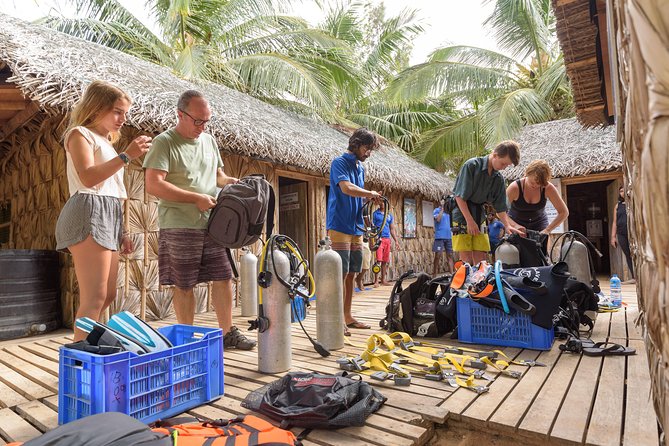
- Small group size (max 8): more personal attention and easier comfort for first-timers
- Guided certification limit (12 m): you progress with a PADI Professional rather than going fully independent
- Fast, structured schedule: theory for about half a day, confined water training for about half a day, then a morning open-water block
- Inclusive essentials: equipment, private transport, snacks, water, and coffee or tea are part of the price
- Known instructors and teaching style: names like Ellie, Norbert, Nico, Yannis, and Gita show up in positive feedback for patience and safety
PADI Scuba Diver in Nilaveli: What You’re Actually Signing Up For
The PADI Scuba Diver course is the shorter, guided-leaning track in PADI’s ladder. It’s considered a subset of the full PADI Open Water Diver course. The practical meaning for you is simple: you’ll earn a certification that lets you scuba with a PADI Professional, to a maximum depth of 12 m.
If you picture yourself someday renting gear and buddy-diving at up to 18 m with full independence, this matters. In that case, the course guide you’re given is consistent: you’ll want PADI Open Water Diver instead. That’s not a dealbreaker for the Scuba Diver course, it just shapes what you can do after training.
I also like that the course is designed for real beginners, not just confident swimmers. The requirements say you should have moderate physical fitness, which is a good signal. You’re not signing up for a marathon or for anything technical on land. You’re signing up to learn control and comfort in the water, and then prove it in a simple, coached format.
A few more Sri Lanka trips to line up
- Scuba Diving at Unawatuna
★ 5.0 · 21 reviews - Scuba Diving For Beginners
★ 5.0 · 18 reviews - Scuba Diving in Unawatuna
★ 5.0 · 12 reviews
The Two-Day Flow: Theory, Confined Water, Then Open-Water Skill Work
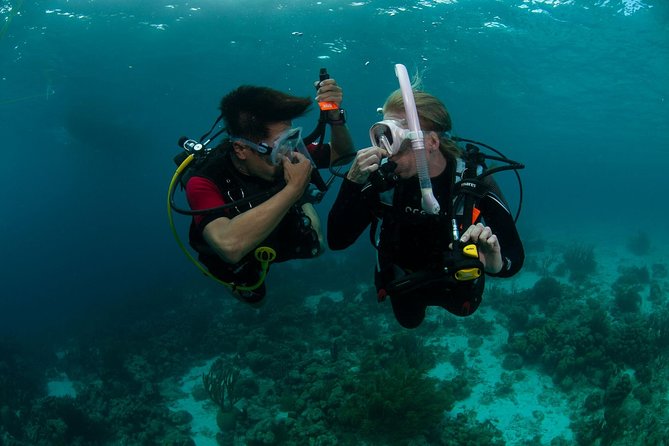
The timing is one of the strengths of this course. Plan for around 2 to 3 days, because the pace can shift slightly based on how theory and water sessions line up. The core structure stays the same.
Step one, PADI theory (about half a day)
You complete the theoretical part using the first three sections of the PADI Open Water Diver course, but without taking an exam for this segment. It’s roughly half a day of learning, and that chunk matters because it sets the language you’ll use underwater, the safety logic you’ll follow, and the basic gear understanding you’ll need in later steps.
What I’d do in your shoes is show up mentally ready to learn, not just to get wet. Even if you’re calm underwater, it helps to be sharp on buoyancy concepts, breathing habits, and safety procedures so you can connect the classroom ideas to what you feel in the water.
Step two, confined water training (about half a day)
Next is confined water training, based on the first three dives of the Open Water program. Confined water is where you learn the most transferable skills: how to put your gear together, how to breathe steadily, how to control your buoyancy, and how to handle common drills without panic.
This is also where you’ll notice the teaching style. In the feedback you’re given, instructors are repeatedly praised for being patient and for keeping students feeling safe and comfortable. That’s exactly what you want at this stage, because confidence is a safety tool.
Within the same drive of Sri Lanka, but a different sort of day:
- Kandy Private Guided City Tour by Tuk Tuk
★ 4.9 · 1,307 reviews - Whales and Dolphins Watching-Luxury Super Grade Cruiser(Hotel Pick up offered)
★ 5.0 · 1,268 reviews - Colombo City Tour by Tuk Tuk Experience – All Inclusive
★ 4.9 · 848 reviews - From Colombo: Sigiriya and Dambulla Day Trip with Safari
★ 4.7 · 842 reviews
Step three, one morning with two open-water sessions (about 8:30 am to around 1 pm)
Finally, you do one day with two open-water sessions, starting around 8:30 am and running until roughly 1 pm. Morning timing is practical for comfort and logistics, and it helps you finish your training block without losing the whole day.
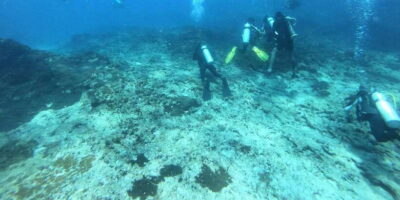
These open-water sessions are where the course stops being mostly classroom and starts being real-world scuba. You’ll practice what you learned, but now you’ll also deal with open-water conditions. Expect to be coached through technique and safety the whole time.
What 12 m Guided Limits Mean for Your Confidence
One of the most useful parts of choosing Scuba Diver over Open Water is that it keeps your training outcome tightly linked to guided support. The certification lets you dive with a PADI Professional up to 12 m, so your early adventures in other countries, if you choose them, start from a position of guidance.
For many first-timers, that is exactly the right balance: you get real underwater practice, but you don’t jump straight into the deepest independent category.
If you’re the type who knows you’ll want 18 m and full independence soon, you’ll probably feel limited by the Scuba Diver ceiling. On the other hand, if your goal is simply to learn scuba safely, see the marine life, and build a foundation, 12 m with professional support is a smart starting step.
Equipment, Transport, and Small-Group Comfort
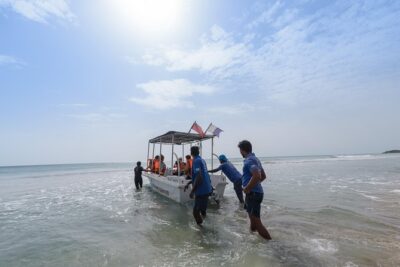
This course is set up to reduce the usual hassle. Included items include scuba equipment use, plus bottled water, coffee and/or tea, and snacks. There’s also private transportation, which is especially helpful if you’re staying in Nilaveli and don’t want to coordinate taxis around half-day segments.
The group size limit, max 8 travelers, is another practical win. Smaller groups usually mean less waiting and more time for instructors to troubleshoot things like buoyancy, breathing rate, and body position. For first-timers, that matters more than people expect.
You should also know the schedule is time-boxed on the open-water morning. That means you’ll likely want to plan a flexible day around it, so you’re not rushing meals or jumping into other activities right afterward.
Where Your Money Goes: Course Fee vs the PADI 70 Euro Add-On
Price is where this course needs a clear explanation, because the numbers are split.
- Course price listed: $232.57 per person
- Not included: PADI fee of 70 euros (for the PADI Scuba Diver manual and PADI certification costs)
- Not included: lunch
- Included: instruction and scuba equipment use, plus water, snacks, coffee or tea, and private transportation
So what are you paying for in the $232.57? You’re paying for the training experience itself, including teaching time, the learning flow (theory segment, confined water, and the open-water block), and the physical setup on the day: equipment, transport, and basic refreshment items.
What you’re paying extra for is the PADI-facing items that are not folded into the course fee, like the manual and certification costs. Since the PADI fee is called out clearly as not included, I strongly recommend you budget for it early so there are no surprises at checkout or on arrival.
If you’re comparing options, also keep in mind that the Scuba Diver course is not the full “independent to 18 m” certification. That can be a deal-breaker for some people, and a great value for others who want a guided start.
Water Comfort and Physical Readiness: The Stuff That Makes or Breaks It
The course notes say you should have moderate physical fitness. In practical terms, that usually means you can comfortably handle being in the water, moving with gear, and following instructions even if you feel nervous at first.
I like that the course is built for safety and comfort. In feedback, people highlight how instructors make students feel safe and comfortable, including guidance that helps you build confidence underwater. That kind of calm coaching is not fluff. When you’re learning scuba, your breathing and buoyancy skills are tied to your mental state.
If you’re worried, don’t just decide based on fitness. Decide based on your willingness to ask questions and follow coaching closely during the drills.
Underwater Expectations in Nilaveli: Marine Life and Big-Screen Views
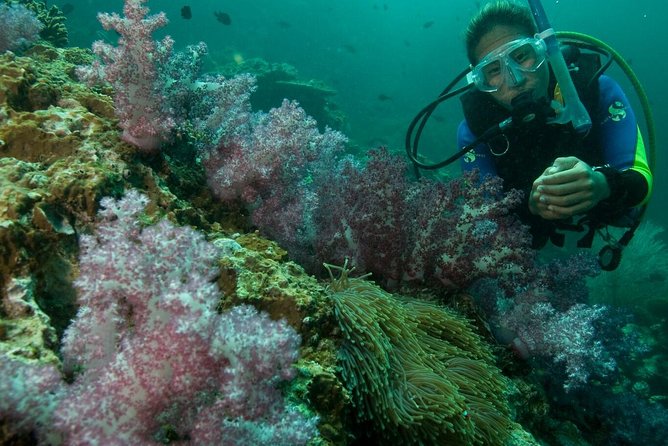
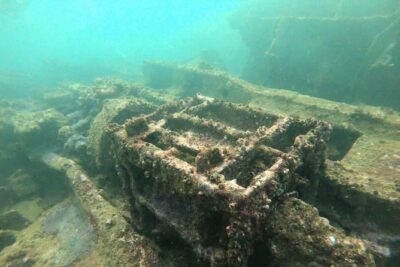
Your underwater experience in Nilaveli is part of why people book this area in the first place. In the feedback you’re working with, you’ll see mentions of colorful fish, sting rays, and plenty of marine life, plus variety like corals and even wreck-related features.
The course itself limits depth to 12 m, but you can still see a lot at that range if conditions are good. Also, one day is structured for learning, not for trophy hunting. So think of it like this: your goal is to get comfortable, not to chase every animal in the ocean.
If you’re the type who loves what you see, you might be tempted to keep going. In the info provided, some divers later added advanced training and even Nitrox. That’s a hint that the location and the operation can work well if you want more scuba education after your first certificate.
Who This Course Fits Best, and Who Should Skip It
This course makes the most sense if you want:
- A first scuba certification with professional guidance
- A structured program of theory, confined water practice, then open-water skill work
- A path that teaches you to feel safe and in control at the shallow end of scuba training
It might not be the best fit if you know you want to be fully independent right away and plan to buddy dive up to 18 m. In that case, the better move is the PADI Open Water Diver course, because the Scuba Diver certification comes with the 12 m guided limit.
It also fits well if you want a smaller class environment, with a team that uses patient coaching. Names like Ellie, Norbert, Nico, and Gita show up repeatedly in positive comments for teaching style, safety focus, and giving students confidence.
Should You Book This PADI Scuba Diver Course in Sri Lanka?
I’d book it if you want a clean first step into scuba with guided support, a tight schedule you can plan around, and equipment and transport handled for you. The included basics, like private transportation, snacks, bottled water, and equipment use, make it easier to stay focused on learning instead of logistics.
I’d think twice if you’re budget-sensitive once you add the 70 euros PADI manual and certification costs, or if you’re already set on the independent 18 m credential. Also, this experience is weather-dependent, so plan your trip window with flexibility.
If your goal is to get comfortable underwater quickly, learn a safety-centered skill set, and see what Nilaveli has to offer at beginner-friendly depth, this course is a strong value bet.
FAQ
What depth limit does the PADI Scuba Diver certification include?
This certification allows you to scuba with a PADI Professional to a maximum depth of 12 m.
How long is the course?
It takes around 2 to 3 days, with theory and confined water training for about half a day each, and one morning with two open-water sessions from about 8:30 am to around 1 pm.
Is pickup included?
Yes. Private transportation is included, and pickup is offered.
What is included in the price?
The price includes bottled water, coffee and/or tea, snacks, private transportation, and use of scuba equipment.
What costs are not included?
Lunch is not included. Also, the PADI fee of 70 euros for the manual and certification costs is not included in the course fee.
What is the maximum group size?
The maximum is 8 travelers.
Do I need a moderate fitness level?
Yes, travelers should have a moderate physical fitness level.
Is this course dependent on good weather?
Yes. The experience requires good weather, and if canceled due to poor weather, you will be offered another date or a full refund.
Recent additions in Sri Lanka
- Yala Village Tour: Pottery Class, Lake and Temple Visits★ 5.0 · 5 reviews
- Zip Lining in Ella★ 4.5 · 16 reviews
- Yala Private Safari – Half Day or Full Day with Picnic Lunch★ 5.0 · 4 reviews
- Yala Safari All-Inclusive Package with Convenient Pick Up★ 4.4 · 3 reviews
- YALA SAFARI TOUR with Galle/Mirissa/Tangalle/Ella Transfers★ 5.0 · 3 reviews
- Yala National Park – Safari Tour with Hotel / Accommodation★ 4.7 · 31 reviews
- Yala National Park Wildlife safari from Mirissa★ 3.3 · 4 reviews
- Yala Safari : 7 hour & 12 hour Tours★ 3.8 · 6 reviews
Scuba Diving, compared.
Browse the lists this tour appears in