
Reviewed · WHALE WATCHING
Great Whales Education Programe Dolphins and Whales are in SL
Watching whales can be quick, but learning takes time.
Great Whales is a 1-hour whales and dolphins education programme in Matara, designed to make sense of what you see in Sri Lanka’s waters, including the types of animals people look for and why sightings happen when they do. I love that the session is led by Ms. A.H. Deepika Kumari with more than 12 years of experience in whale and dolphin watching. I also like the practical focus on current sighting ideas, plus the broader context of whale watching in Sri Lanka.
One thing to consider: this is not a boat ride. If your top goal is to see dolphins and whales offshore that day, you’ll still want to plan live watching separately, since real sightings can depend on conditions.
In This Review
- Key points worth knowing before you go
- Why this Matara whale-and-dolphin lesson is worth your hour
- Meet Ms. A.H. Deepika Kumari, the guide who makes it click
- What happens during the 1-hour education session
- 1) How commercial whale and dolphin watching works in Sri Lanka
- 2) Main whale and dolphin watching points
- 3) Why whales and dolphins are in Sri Lankan waters
- 4) Common species in Sri Lanka waters
- 5) Current sighting ideas
- 6) How long watching trips take, plus weather and boats
- 7) Best ways to do live watching and what boats offer
- Discussion, comfort, and the souvenir angle
- Fitting it into your Mirissa and Polhena plans
- Price and value: what $25 buys you
- Practical details that affect your day
- Where you start
- When it runs
- Ticket format and group style
- What is included and what is not
- Who should book Great Whales
- Should you book Great Whales?
- FAQ
- FAQ
- Where is Great Whales located and what is the meeting point?
- How long is the Great Whales education programme?
- What is the price per person?
- Does the tour include food or drinks?
- Is an air-conditioned vehicle included?
- Is this a private tour or shared group?
- What kind of ticket do I get?
- Who leads the education session?
- Can children and seniors participate?
- Are there live dolphin and whale watching options connected to this?
- What is the cancellation policy?
Key points worth knowing before you go
- 1-hour structured lesson for adults and children, made for all ages
- Guide-led by Ms. A.H. Deepika Kumari, with over 12 years in the industry
- Updates on whaling and dolphin watching spots in Sri Lanka, and why they matter
- Open discussion, so you can ask questions and share what you’ve seen
- Free tea or coffee, snacks, and bottled water included
- You can also buy tickets for live viewing in Mirissa, if you want the boat part too
Why this Matara whale-and-dolphin lesson is worth your hour
Sri Lanka does something special with marine life. You can stand on the south coast and feel like the ocean is offering a show. But the show is easier to enjoy when you understand what you’re looking at, and that is where Great Whales earns its place in your plan.
This programme is built for people who want more than a vague, fun story. Instead of just saying dolphins and whales exist, it connects dots: where people go in Sri Lanka, what species are common, and how watching works in real conditions. It’s also a smart choice if you’re traveling with kids, seniors, or anyone who does not love long, waiting-heavy boat trips.
And yes, you also get the practical comforts. You’ll have coffee or tea, snacks, and bottled water during the session. That matters when you’re trying to keep energy up for the rest of your day.
More Whale Watching in Galle
- Whales and Dolphins Watching-Luxury Super Grade Cruiser(Hotel Pick up offered)
★ 5.0 · 1,268 reviews - Whale Watching Mirissa with ( WWC )
★ 5.0 · 252 reviews - Whale Watching Mirissa with Eagle Eye
★ 4.5 · 128 reviews
Meet Ms. A.H. Deepika Kumari, the guide who makes it click
The guide is Ms. A.H. Deepika Kumari, one of the first members involved in whales and dolphins watching in Sri Lanka. With more than 12 years of experience, she brings a steady, informed tone that suits both families and serious nature lovers.
What I like about this kind of guide is that the story stays connected to real watching. The session isn’t just facts for facts’ sake. It is organized around how whale and dolphin watching has developed in Sri Lanka, what watchers pay attention to, and how you can think about sightings in a sensible way.
You also get an open discussion, not a one-way lecture. That makes it easier for children to stay engaged, and it gives adults a chance to ask the questions that always pop up once you learn a little.
What happens during the 1-hour education session
Think of Great Whales as a crash course on how Sri Lanka’s waters fit into the bigger world of whale and dolphin watching. The session runs about 1 hour, and it is designed for both adults and children. You can expect a mix of explanations, examples, and discussion.
Here are the kinds of topics covered, in plain terms:
1) How commercial whale and dolphin watching works in Sri Lanka
You start with the big picture: the commercial history of whale and dolphin watching in Sri Lanka. This gives you context for how viewing points became popular and why boats operate the way they do.
For many visitors, this background reduces frustration. You stop wondering why it’s crowded, why boat times can change, or why certain days feel more active than others.
A few more Galle trips to line up
- Sports Boat- Private Whale Watching Trip( free breakfast & paid pick-up)
★ 5.0 · 93 reviews - Snorkeling with Whales in Mirissa
★ 4.5 · 42 reviews - Whale Watching Experience in Mirissa
★ 4.5 · 6 reviews - All Inclusive Mirissa Whale and Dolphin Watching Boat Ride
★ 4.5 · 5 reviews
2) Main whale and dolphin watching points
Next comes the “where” part. The session discusses the main watching points in Sri Lanka and why they are used. Then you can connect that to your own itinerary around Mirissa and nearby areas.
This is particularly useful because people often pick a spot based on distance alone. With a little context, you can choose more confidently based on what you’re trying to see.
3) Why whales and dolphins are in Sri Lankan waters
The session also tackles the question behind the whole trip: why these marine mammals show up there. It’s the kind of explanation that turns a random ocean sighting into a more meaningful event.
Even if you already know the basics, it helps to hear the local framing, because ocean movement and feeding patterns are not taught the same way everywhere.
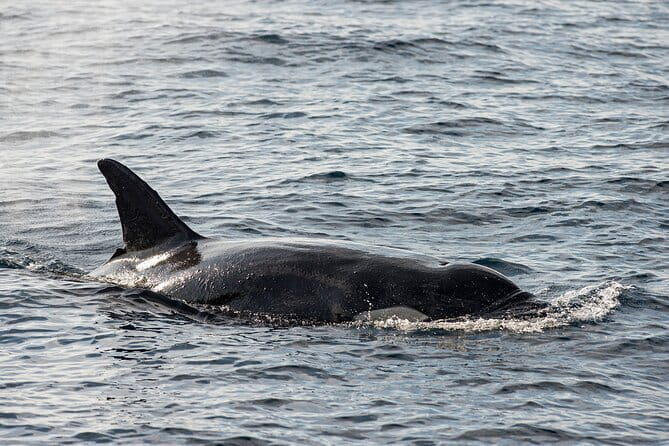
4) Common species in Sri Lanka waters
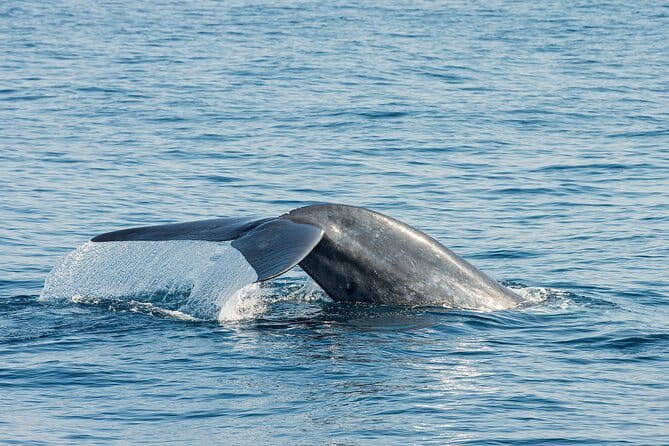
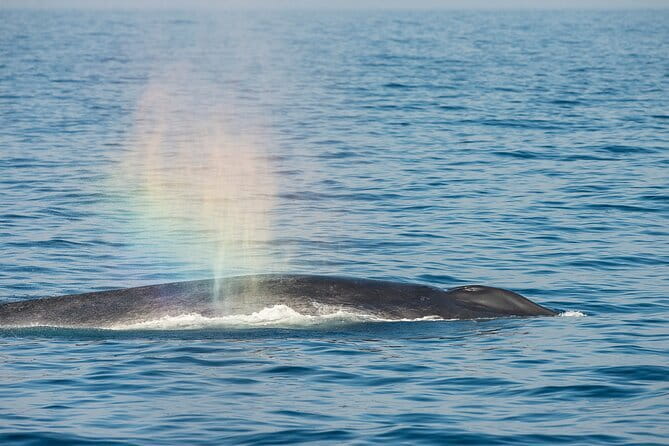
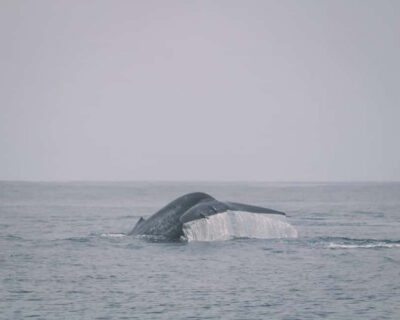
You will learn about the main common species of whales and dolphins found in Sri Lankan water. The Blue Whale is specifically highlighted as the largest mammal on Earth, which gives you a sense of scale and awe without needing a long, technical lesson.
This is the part that makes a later live sighting click fast. You’ll have mental labels ready when you see animals offshore.
5) Current sighting ideas
The programme includes discussion of current sighting of species. That does not mean every animal will show up on demand, but it helps you understand what watchers are likely to look for around your travel dates.
In other words, it replaces guesswork with a plan.
6) How long watching trips take, plus weather and boats
Then the session gets practical. You’ll talk about weather conditions, typical trip duration, and the types of boats or yachts used for watching.
This matters because “whale watching” can range from a short, easy cruise to a long day with choppy water. Knowing what operators tend to use helps you pack and prepare smarter.
7) Best ways to do live watching and what boats offer
Finally, the session covers the best method for live watching and what facilities boat operators typically provide.
If you’re comparing options in Mirissa, this part is gold. It helps you understand what questions to ask and what to look for when boats head out.
Discussion, comfort, and the souvenir angle
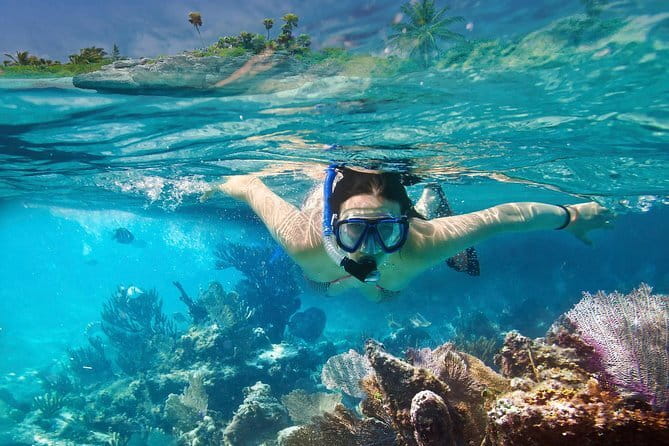
Great Whales is not just talking at you. It is an open discussion where you can exchange experiences and knowledge about dolphins and whales, then connect it to what you might see next.
And since it includes refreshments like tea or coffee, plus snacks and bottled water, you’re not sitting through an hour of learning on an empty stomach. That’s a small detail that makes the experience feel more humane.
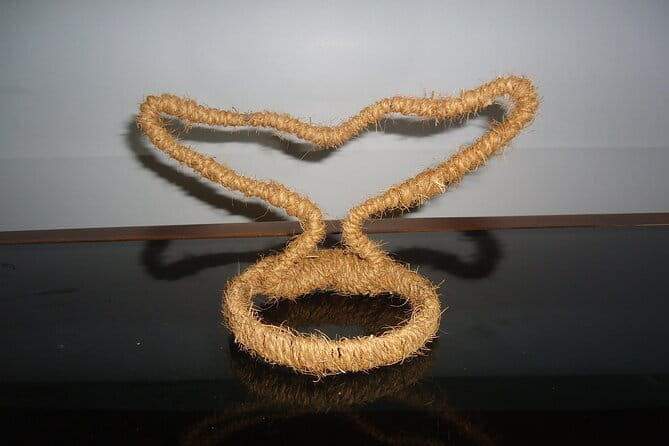
There is also a shopping moment, but it stays practical. You can buy locally designed and made whale and dolphin souvenirs. If you want a take-home reminder that feels connected to the region, this is the easiest way to do it without turning your trip into a shopping mission.
Fitting it into your Mirissa and Polhena plans
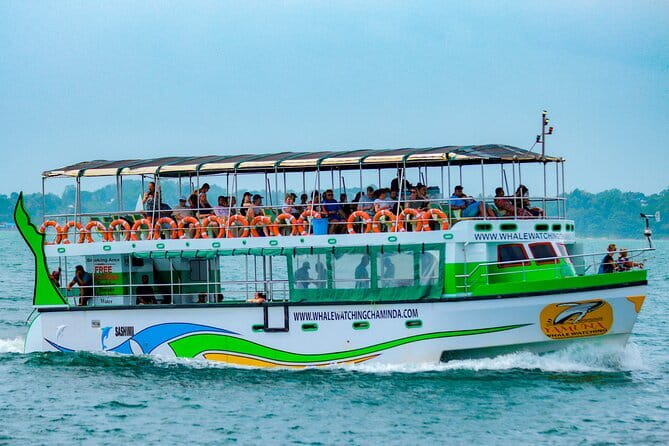
Great Whales is located in Matara. That location can actually work in your favor. It is about 30 minutes from Mirissa, and around 15 minutes from Polhena.
So you can treat this as a smart “pre-game” before live watching. You learn what to look for, then you head to the coast with better expectations and a clearer understanding of why conditions matter.
If you are staying around Mirissa or Weligama area, it also gives you a low-stress activity option when your main boat day is uncertain. The session can help you feel like your day is not wasted even if the ocean is not cooperating.
Price and value: what $25 buys you
At $25.00 per person, Great Whales is positioned as a low-cost way to get meaningful context for Sri Lanka’s most popular marine sightings.
Here’s the value logic I see:
- You get a full 1-hour education programme built for adults and children
- You get tea or coffee, snacks, and bottled water included, so you are not paying extra for basics
- You get an experienced guide, Ms. A.H. Deepika Kumari, with long industry experience
- You get open discussion and a chance to ask questions, not just passive watching
- You also get help planning your next steps, since the programme talks about watching points, trip duration, and boat basics
If you are paying to go to Sri Lanka and you’re planning at least one marine wildlife outing, this is the kind of add-on that often makes the rest of your trip more satisfying. It’s not a replacement for a boat trip if you want the thrill of being on the water, but it is an excellent primer.
Practical details that affect your day
Where you start
The meeting point is No: 12 Paramulla Rd, Matara 81000, Sri Lanka. The activity ends back at the meeting point.
It’s also listed as near public transportation, so you are not forced into hiring private transport just to attend.
When it runs
The opening hours are 7:00 AM to 7:00 PM, Monday through Sunday. Confirmation is received at booking time.
Ticket format and group style
You receive a mobile ticket. It is also described as a private tour or activity, meaning only your group participates.
That private-group setup is handy with families, since kids can follow the pace more easily and you can ask questions without feeling rushed.
What is included and what is not
Included:
- All fees and taxes
- Coffee and/or tea
- Snacks
- Bottled water
Not included:
- Air-conditioned vehicle
So if you’re hoping for comfort from hotel pick up to Matara, you will likely need to arrange that separately.
Who should book Great Whales
I think Great Whales fits best when one (or more) of these are true for you:
- You’re traveling with kids, and you want a marine-life activity that does not rely on waiting out at sea
- You’re traveling with seniors or anyone who prefers shorter, calmer experiences
- You want to make your later Mirissa or Polhena whale and dolphin trip more meaningful by learning what to look for
- You value Q and A time and a friendly, discussion-led format
It may be less satisfying if your only goal is to tick off a live whale sighting on a specific day. This programme is about education and context, with the ability to pair it with live viewing in Mirissa by purchasing tickets separately.
Should you book Great Whales?
If you like the idea of turning marine wildlife into real understanding, yes, book it. For the price, you get a guided, structured hour focused on what matters in Sri Lanka, plus comfort items like tea, snacks, and water.
If you’re unsure whether your live boat day will work out, this is also the smart safety-net option. Even when live sightings do not line up, you still walk away with better knowledge, more realistic expectations, and questions you can ask the next time you’re on the coast.
FAQ
FAQ
Where is Great Whales located and what is the meeting point?
The meeting point is No: 12 Paramulla Rd, Matara 81000, Sri Lanka, and the activity ends back at the same meeting point.
How long is the Great Whales education programme?
It runs for about 1 hour (approx.).
What is the price per person?
The price is $25.00 per person.
Does the tour include food or drinks?
Yes. Tea or coffee is included, along with snacks and bottled water.
Is an air-conditioned vehicle included?
No. An air-conditioned vehicle is not included.
Is this a private tour or shared group?
It is private, meaning only your group participates.
What kind of ticket do I get?
You get a mobile ticket.
Who leads the education session?
The programme is conducted by Ms. A.H. Deepika Kumari, with more than 12 years of experience in whales and dolphins watching in Sri Lanka.
Can children and seniors participate?
Yes. It is described as suitable for adults and children, and most travelers can participate.
Are there live dolphin and whale watching options connected to this?
Tickets for live dolphin and whale watching in Mirissa can be purchased, and the education programme discusses live watching planning.
What is the cancellation policy?
Cancellation is free up to 24 hours in advance for a full refund. If you cancel less than 24 hours before the start time, the amount paid is not refunded.
More Dolphin Watching in Galle
- Trincomalee: Whale & Dolphin Safari Tour with Expert Guides
★ 4.2 · 53 reviews - Trincomalee: Dolphin & Whale Watching Boat Tour
★ 4.2 · 37 reviews - All Inclusive Mirissa Whale and Dolphin Watching Boat Ride
★ 4.5 · 29 reviews - Whale & Dolphin Watching Tour in Trincomalee | Scenic Boat Ride
★ 4.0 · 8 reviews
Recent additions in Galle
- Udawalawe National Park Safari Tour★ 4.7 · 3 reviews
- Kanneliya Rain Forest Tour★ 5.0 · 10 reviews
- Yala half day safari★ 4.5 · 4 reviews
- Yala Safari Drive From Galle, Weligama, Mirissa & Dickwella★ 5.0 · 7 reviews
- Yala National Park Private Safari trip from Galle/Unawatuna/Mirissa★ 5.0 · 12 reviews
- Adam’s Peak Night Hike Experience [One Day & ALL INCLUSIVE]★ 5.0 · 14 reviews
- Weligama City to Colombo (CMB) Airport Private Transfer★ 5.0 · 3 reviews
- YALA SAFARI TOUR from Galle/Unawatuna/Mirissa/Tangalle/Ella★ 5.0 · 18 reviews
Whale Watching, compared.
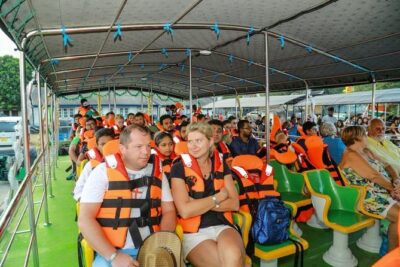
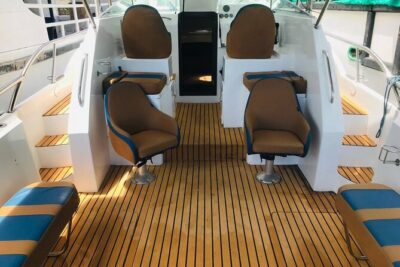
Whales and Dolphins Watching-Luxury Super Grade Cruiser(Hotel Pick up offered)
Read our review →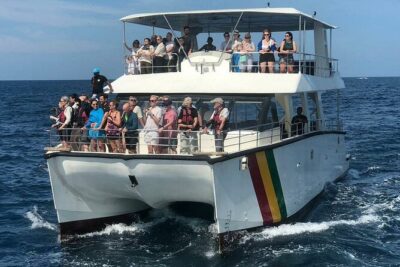
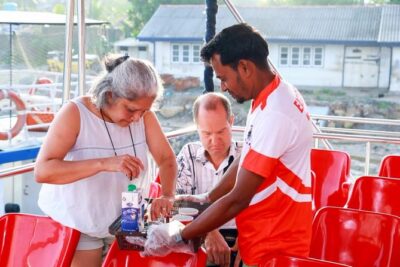
Sports Boat- Private Whale Watching Trip( free breakfast & paid pick-up)
Read our review →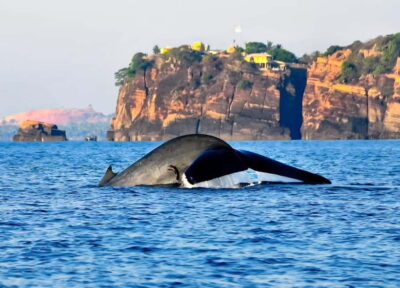
Browse the lists this tour appears in