
Reviewed · COOKING CLASSES
Galle: Sri Lankan Cuisine Cooking Experience
Cooking is the quickest way to feel local. This Galle experience puts you in a family kitchen to learn traditional Sri Lankan dishes, starting with a warm oil-lamp welcome and ending with a meal you eat the old-school way.
I particularly like how hands-on it is. You roll roti by hand and grind fresh coconut for sambol, not just watch someone else do it.
One thing to consider: you will eat with your hands on a banana leaf. If that sounds intimidating, you can ask for utensils, but the whole point is that tactile, hands-on meal.
In This Review
- Key Moments That Make This Class Worth Your Time
- Entering the Galle House Kitchen, Not a Cooking Show
- The Oil-Lamp Welcome and Flower Bouquet Arrival Ritual
- What You Cook: Roti and Sambol from Scratch
- The Hands-On Kitchen Flow, What the 3 Hours Actually Feels Like
- Spice Technique and Sambol Mindset
- The Shared Meal on Banana Leaf, Food with Etiquette
- Who You Meet at Dinner, and Why Storytelling Matters
- Price and Value: Is $40 Fair for 3 Hours?
- Practical Tips Before You Go (So It Feels Effortless)
- Who This Class Fits Best, and Who Might Want Another Option
- Should You Book This Galle House Sri Lankan Cooking Class?
- FAQ
- How long is the cooking experience?
- How much does it cost?
- Where does the experience take place?
- What is included in the class?
- Do I have to eat with my hands?
- Is transportation included?
- What is the cancellation policy?
- Does the class offer English instruction?
Key Moments That Make This Class Worth Your Time
- Oil-lamp ceremony at the Galle House sets a welcoming, respectful tone right away
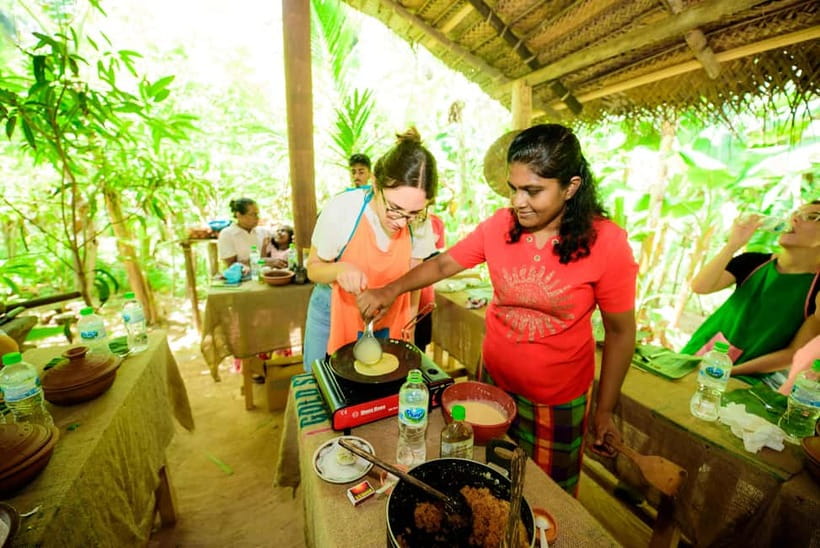
- Hand-rolled roti teaches real technique, not just a recipe list
- Fresh coconut grinding for sambol gives you the flavor foundation in minutes
- Family-style storytelling over dinner makes the meal feel personal
- English instruction in a private group keeps questions easy and the pace comfortable
Entering the Galle House Kitchen, Not a Cooking Show
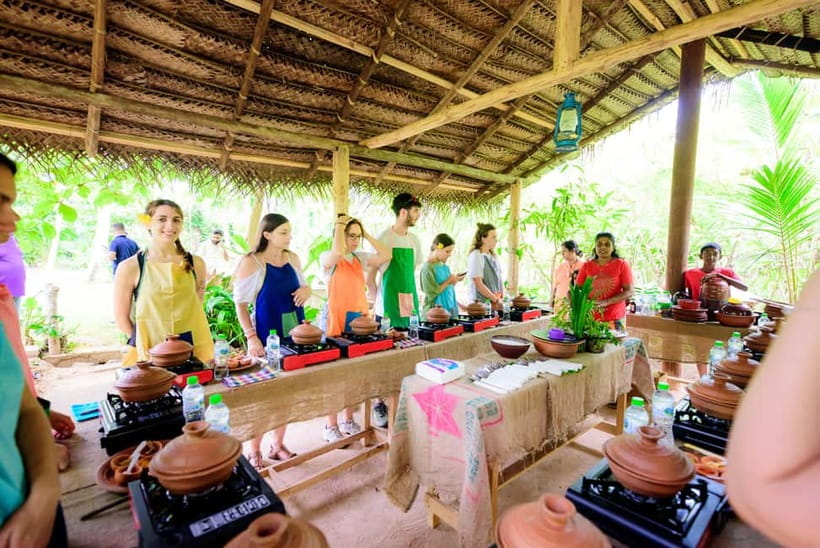
This class is built around one simple idea: cooking tastes better when you do it with people. Instead of a scripted demonstration, you work in a real family kitchen, with the aromas of spices in the air and a host guiding your hands step by step.
The setting is part of the value. You are in Kotapola, near Galle, in a home environment rather than a formal studio, so the experience feels less like entertainment and more like learning how a household cooks week to week.
Also, the group is private and instruction is in English. That matters because food lessons go faster when you can ask questions and understand the why behind each step.
More Cooking Classes in Galle
- Sea waves sri lankan cooking class
★ 5.0 · 467 reviews - Galle Unawatuna Cooking Class
★ 5.0 · 142 reviews - Galle Fort cooking class
★ 5.0 · 60 reviews
The Oil-Lamp Welcome and Flower Bouquet Arrival Ritual
Your experience begins with a traditional greeting at the Galle House. There is an oil-lamp lighting ceremony, and you also receive a flower bouquet, which helps you shift into the right mindset for a meal that is about hospitality as much as food.
I like this kind of ritual because it instantly explains what you need to know without a lecture. It signals that you are being invited, not just booked in, and it sets the tone for the rest of the evening.
Dress for comfort. You will cook, and you will stand for portions of the lesson, so wear clothes that can handle heat and the occasional spice dusting.
What You Cook: Roti and Sambol from Scratch
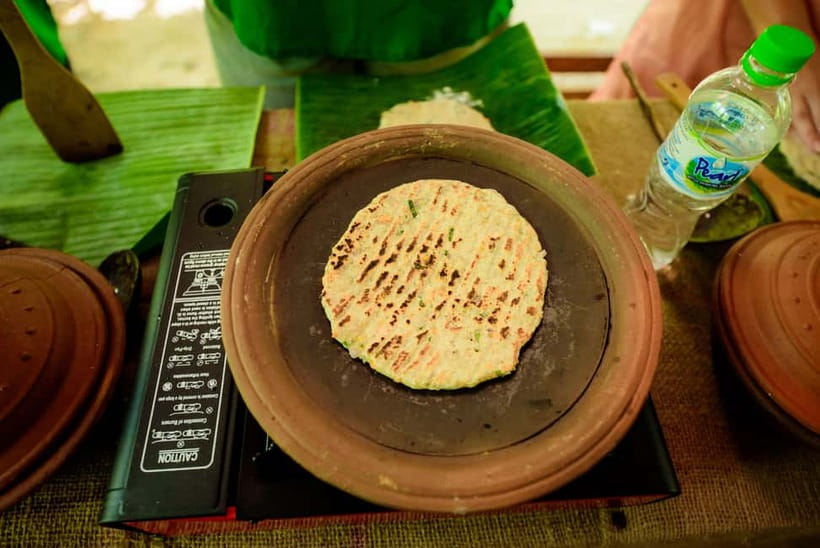
Here is the heart of the class: roti and sambol. You will roll the roti by hand and learn the practical steps that make it flexible, not tough.
Then comes the sambol, and this is where the experience really earns its keep. You grind fresh coconut with your host, and that fresh base is a big deal because it creates a flavor that bottled or pre-made ingredients just cannot match.
This is also a smart way to learn Sri Lankan cooking without needing a pantry full of mystery items. Once you understand how coconut and spices come together, you start seeing how many dishes in the region are built on the same flavor logic.
And yes, the host talks you through the ingredients and preparation clearly. The best learning moments in this class are the ones where you understand what each ingredient is doing, not just how to add it.
The Hands-On Kitchen Flow, What the 3 Hours Actually Feels Like
A cooking class can either feel rushed or like a real lesson. This one runs for about 3 hours, and the structure is practical: welcome, prep, cooking, then the shared meal.
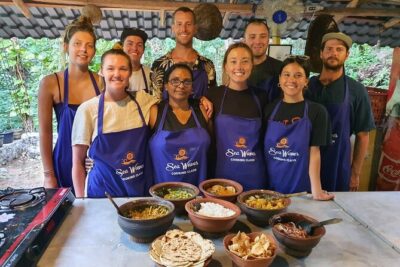
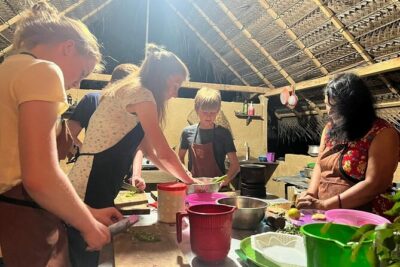
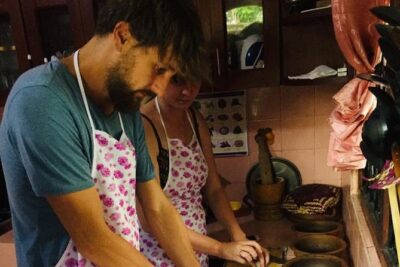
You start in the kitchen with your host and the smell of spices. From there, you move into making the dishes, following along as you mix, roll, and grind. You get an apron when the lesson begins, which is a nice touch because it makes the mess part of the fun.
One helpful detail: the cooking is hands-on, so you are not just watching from the sidelines. You might think you will be able to follow without doing, but once you roll dough and handle ingredients yourself, everything clicks.
If you are a confident cook, you will still enjoy it. If you are a beginner, the private setup and English instruction make it a lot easier to keep up and ask questions before you mess something up.
Within the same drive of Galle, but a different sort of day:
- Whales and Dolphins Watching-Luxury Super Grade Cruiser(Hotel Pick up offered)
★ 5.0 · 1,268 reviews - Galle Fort Walking tour
★ 4.9 · 285 reviews - Snorkeling with Turtles in Mirissa
★ 5.0 · 268 reviews - Whale Watching Mirissa with ( WWC )
★ 5.0 · 252 reviews
Spice Technique and Sambol Mindset
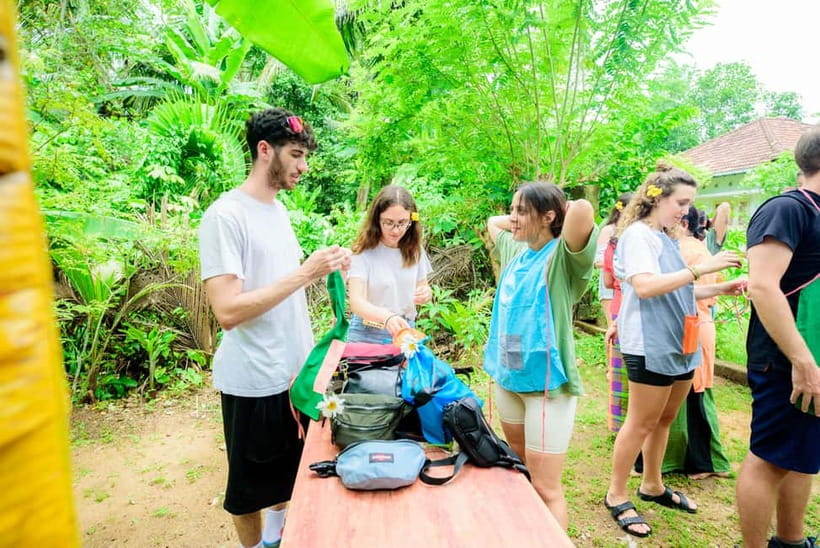
Sri Lankan flavors can seem bold, especially if you are used to milder home cooking. What I like about this class is that it gives you the mindset to work with stronger flavors without fear.
Grinding coconut fresh changes the texture and taste, and it also makes the sambol feel alive. As you work, you begin to understand how small adjustments in spice and moisture can shift the final bowl from intense to balanced.
I also think roti is a great lesson because it teaches technique, not just ingredients. When you roll it by hand, you learn what the dough should feel like and how to manage thickness and shape.
Your host family is there for the practical coaching. In past bookings, hosts like Malika and Sanuth were praised for explaining ingredients and preparation steps in a clear way, which is exactly what you want from a cooking lesson.
The Shared Meal on Banana Leaf, Food with Etiquette
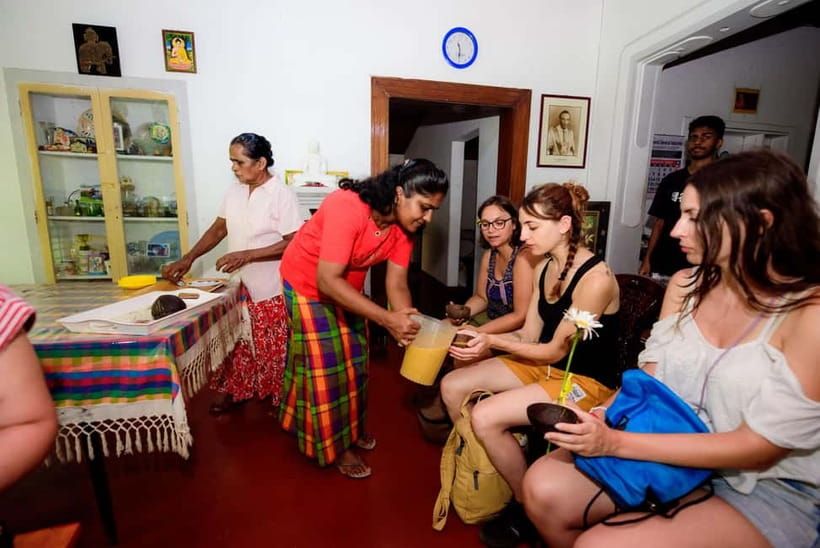
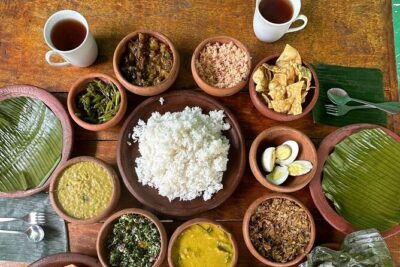
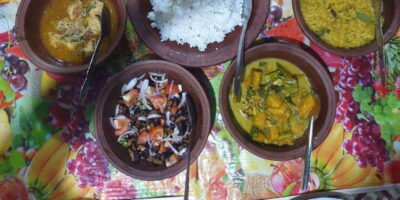
After you cook, you eat what you helped make. The meal is served in the traditional way, on a banana leaf, and you eat with your hands.
This is one of those cultural moments that is both simple and meaningful. Eating this way changes your relationship with the food. You slow down, mix bites more naturally, and pay more attention to how flavors work together on a small portion at a time.
Now the reality check: your comfort matters. Eating with your hands is part of the experience, but utensils can be provided upon request, so you do not have to force it if you are not comfortable.
Either way, the meal is shared with the host family. That is where the class stops feeling like a transaction and starts feeling like you are joining dinner.
Who You Meet at Dinner, and Why Storytelling Matters
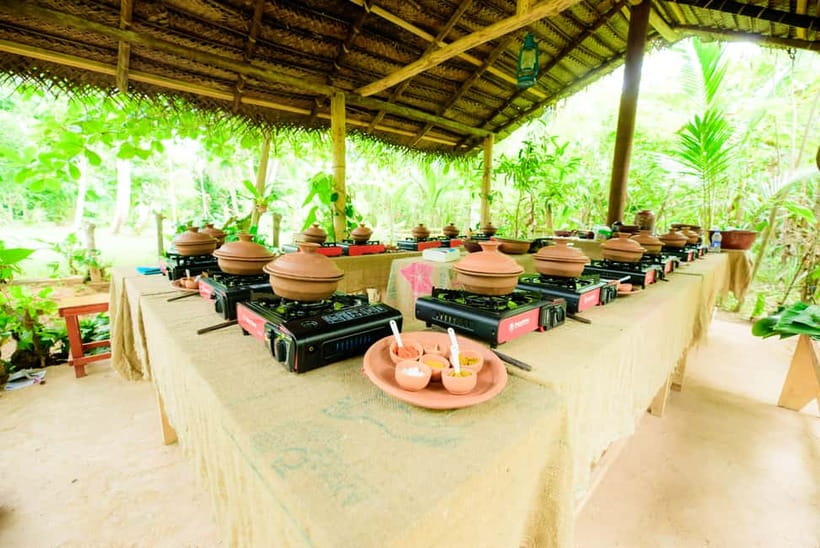
Cooking teaches technique, but the family part teaches context. You share stories and laughter with your hosts over the feast you created, which turns the meal into something you remember beyond the recipes.
In at least one recent booking, the hosts were welcoming to a young child, showing they can accommodate families when you communicate your situation. If you are traveling with kids, it is still smart to mention your group needs ahead of time so the hosts can plan a smooth experience.
Also, English instruction is included. That matters for bonding because you can actually ask questions and understand the answers, instead of nodding along to half translations.
Price and Value: Is $40 Fair for 3 Hours?
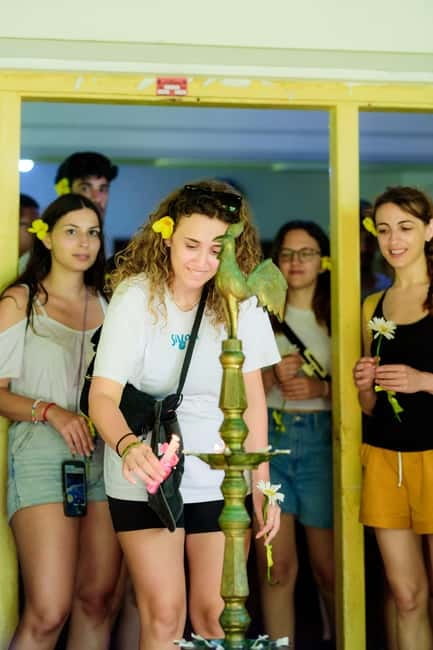
At $40 per person for a 3-hour private class, this is strong value when you look at what is included. You get the cooking instruction, all ingredients, the meal with the host family, and the welcome ceremony with oil lamp lighting plus a flower bouquet.
The transport piece is not included, so budget for getting to and from the Galle House. That can be the only real cost surprise if you do not already have a plan in place.
Still, when you compare it to cooking classes that leave you with a small tasting and no real meal, this one has a different structure. You do real work, you eat a full shared dinner, and you leave with a practical understanding of roti and sambol basics.
If you want a takeaway you can use at home, this is also one of the better formats. You are learning technique you can repeat, especially for things like dough handling and building sambol flavor with fresh coconut.
Practical Tips Before You Go (So It Feels Effortless)
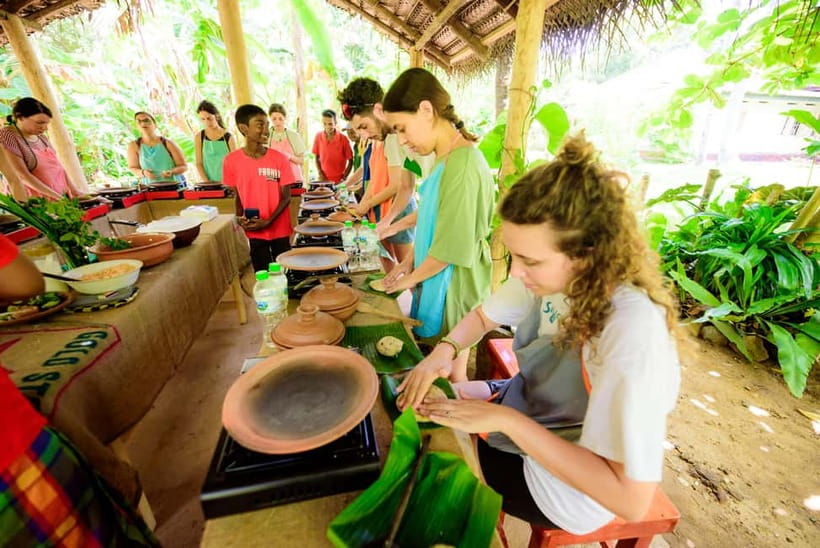
This experience is friendly, but it helps to show up prepared.
Wear comfortable clothes suitable for cooking. You will get an apron, but you still want something you can move in and that you do not mind if spices land on it.
If you want utensils, ask ahead of time. Eating with hands is the default, and it is part of the cultural experience, but the option exists.
Send a message and confirm the date at least one day before your booked day. This kind of small step prevents awkward delays and helps the family plan around your visit.
Finally, keep your expectations realistic about being in a home kitchen. It is not a spotless, museum-like classroom. You are cooking in a family space, so the charm comes with normal home-kitchen energy.
Who This Class Fits Best, and Who Might Want Another Option
This class is ideal if you want authentic Sri Lankan cooking in a format that is personal. You will love it if you enjoy learning by doing, tasting as you go, and eating with locals instead of standing over a plate.
It is also a good choice for small groups because it is private. If you are traveling with a partner, friends, or a family, you can keep questions flowing and move at a comfortable pace.
However, if you hate hands-on food prep or you feel strongly uncomfortable eating with your hands, it might not feel like your kind of experience. You can request utensils, but the banana leaf meal and hands-on element are still central to the day.
If you are only looking for a quick sampler without cooking, you may find this too involved. But if you want a real skill and a real dinner, it is a great fit.
Should You Book This Galle House Sri Lankan Cooking Class?
Yes, I think you should book it if you want a genuinely hands-on cultural meal. The mix of the oil-lamp welcome, cooking core skills like roti and sambol, and the shared banana leaf dinner makes it feel complete, not just educational.
It is also a good bet if you value clear English instruction and a private group pace. You are paying for the full experience, not just watching someone else work in the kitchen.
Book it especially if you like learning techniques you can repeat later. Grinding fresh coconut and rolling roti by hand are the kinds of skills that actually travel with you, even when you are back home and trying to recreate the flavors.
If you want, tell me your travel dates and whether you prefer eating with utensils. I can help you think through what to ask ahead of time so the experience matches your comfort level.
FAQ
How long is the cooking experience?
It runs for about 3 hours.
How much does it cost?
The price is $40 per person.
Where does the experience take place?
It takes place in Kotapola, Sri Lanka, at the Galle House.
What is included in the class?
You get a traditional Sri Lankan cooking class with hands-on instruction by a host, all ingredients, a shared meal with the host family, and a welcome ceremony with oil lamp lighting and a flower bouquet.
Do I have to eat with my hands?
Eating with your hands on a banana leaf is part of the experience, but utensils can be provided upon request.
Is transportation included?
No, transportation to and from the Galle House is not included.
What is the cancellation policy?
You can cancel up to 24 hours in advance for a full refund.
Does the class offer English instruction?
Yes, the instructor speaks English.
Recent additions in Galle
- Udawalawe National Park Safari Tour★ 4.7 · 3 reviews
- Kanneliya Rain Forest Tour★ 5.0 · 10 reviews
- Yala half day safari★ 4.5 · 4 reviews
- Yala National Park Private Safari trip from Galle/Unawatuna/Mirissa★ 5.0 · 12 reviews
- Adam’s Peak Night Hike Experience [One Day & ALL INCLUSIVE]★ 5.0 · 14 reviews
- Yala Safari Drive From Galle, Weligama, Mirissa & Dickwella★ 5.0 · 7 reviews
- Weligama City to Colombo (CMB) Airport Private Transfer★ 5.0 · 3 reviews
- YALA SAFARI TOUR from Galle/Unawatuna/Mirissa/Tangalle/Ella★ 5.0 · 18 reviews
Cooking Classes, compared.
Organic cooking class sigiriya (kumara & family)
Read our review →
Sri Lankan Cooking Class with Neranji at Homestay
Read our review →
Browse the lists this tour appears in