
Reviewed · COOKING CLASSES
Galle: Cooking Class at a Local Home and Market Tour
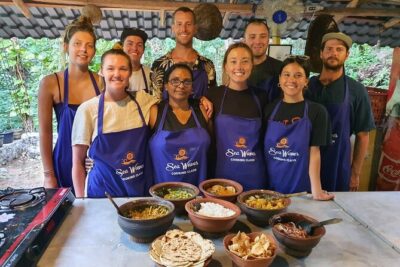
A hot curry starts with a cool market plan. This Galle class pairs a home-kitchen lesson with a real ingredient hunt, led by Madhu and her family. I love the market-to-stove setup, and I also like that you cook as a group and then eat what you make. One small catch: with only 3 hours, you will be focused and a bit busy, not leisurely.
What you get is a hands-on Sri Lankan food session that feels practical, not performative. You’ll visit a local market in the Galle area, pick ingredients, and then cook traditional dishes in a traditional kitchen. The lesson is taught in English, and it’s designed for small groups (max 10), so you get help as you go.
In This Review
- Key Things I’d Put On Your Shortlist
- How This Galle Cooking Class Feels, From Market to Meal
- The Market Stop Where Your Cooking Starts Making Sense
- Madhu’s Home Kitchen, Traditional Tools, and Hands-On Cooking
- What You’ll Cook and Eat in This 3-Hour Session
- Sri Lankan Cooking Skills You’ll Actually Use Later
- The Included Extras That Make It Feel Like a Full Experience
- Price and Value: Is $40 Worth It?
- Who This Class Suits Best (And Who Might Skip It)
- Should You Book This Galle Home Cooking Class?
- FAQ
- Where does the cooking class take place?
- How long is the class?
- How much does it cost?
- Is hotel pickup and drop-off included?
- Do I visit a market before cooking?
- What do I eat during the experience?
- Is the class taught in English?
- How big is the group?
- What extras are included beyond cooking?
- What is the cancellation and payment flexibility?
Key Things I’d Put On Your Shortlist
- Market shopping first: you choose fresh ingredients before you cook, so the recipes start making sense fast.
- Madhu’s family kitchen: you learn in a home setting, not a staged restaurant classroom.
- Group cooking, shared dishes: people contribute to multiple dishes, so you try more than one curry.
- Multiple Sri Lankan favorites: curry plates, coconut sambol, and dessert are part of the meal you finish with.
- Recipes and photos included: you leave with a take-home plan and a record of the day.
How This Galle Cooking Class Feels, From Market to Meal
This is one of those activities where the food comes with context. You don’t just memorize a recipe, you see the ingredients first, hear what they do, then put them to work yourself. The vibe is warm and family-oriented, and that matters because curry cooking is hands-on, messy, and easier when someone patiently shows you what to watch for.
I like the way this class builds confidence quickly. Market shopping helps you understand what fresh produce looks like locally, and it also answers the question you’ll have later at home: why certain spices and ingredients show up again and again in Sri Lankan dishes. I also like that the meal at the end is included, so you’re not stuck doing demo-only learning and then going hungry.
The main consideration is time. At 3 hours total, you’ll cook at a lively pace, and the focus stays on results. If you want a slow, sit-back-and-chat class with lots of free time, this one may feel a bit structured.
More Cooking Classes in Galle
- Sea waves sri lankan cooking class
★ 5.0 · 467 reviews - Galle Unawatuna Cooking Class
★ 5.0 · 142 reviews - Galle Fort cooking class
★ 5.0 · 60 reviews
The Market Stop Where Your Cooking Starts Making Sense
The day begins with hotel pickup and transport to a local market area in and around Galle. You walk stalls with your chef-guide and buy or select ingredients that match what you’ll cook. This is where the class earns its value, because Sri Lankan cooking is ingredient-driven, especially when you’re working with coconut, aromatics, and curry spices.
You’ll also get some light street-food sampling along the way. That’s useful because Sri Lankan flavors can be hard to describe at first, and tasting helps your brain connect smell to taste to technique. If you’re picky about food quality, the market step is a big deal. You see what is fresh, you smell spices, and you learn how everyday ingredients become everyday meals.
In some versions of the experience, there’s also time to shop spices at a local spice shop so you can take home ideas for later. Even if you do not buy much extra, the guide’s ingredient explanations help you shop smarter when you’re back in your own kitchen.
Madhu’s Home Kitchen, Traditional Tools, and Hands-On Cooking
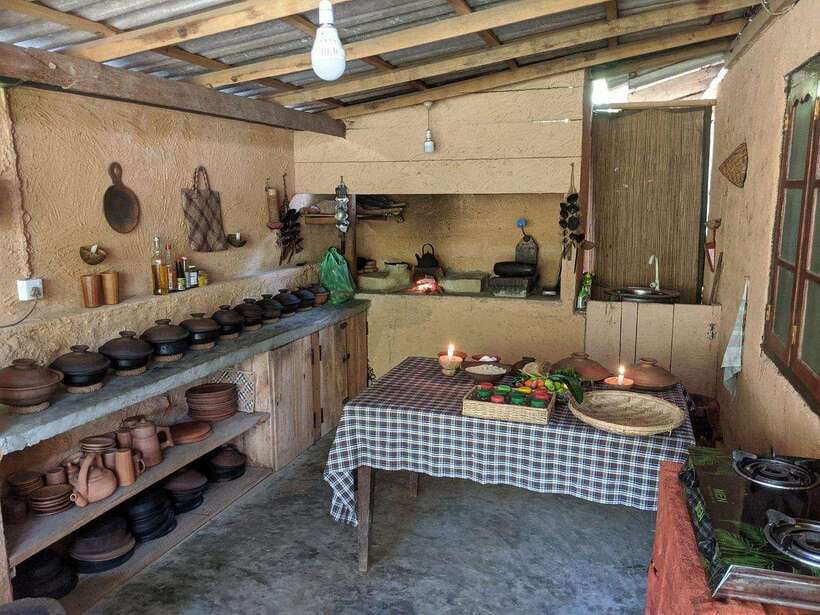
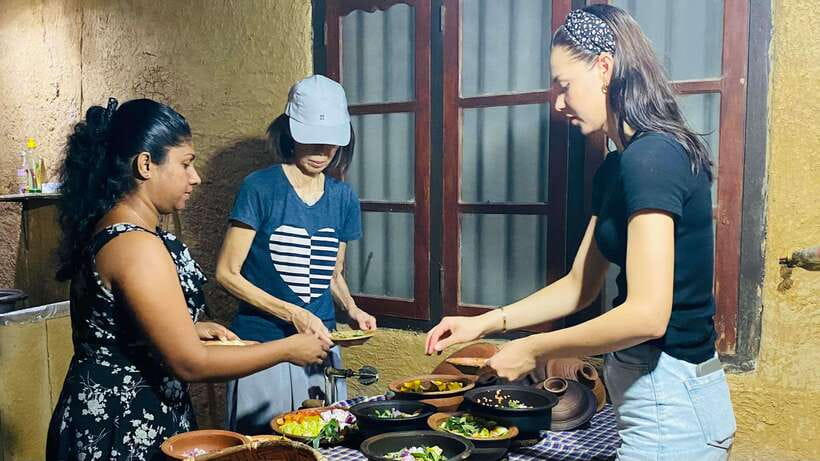
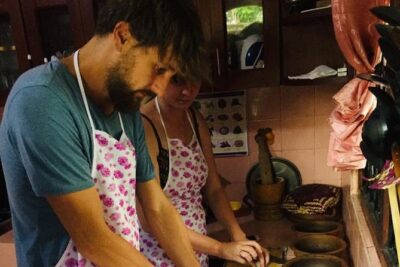
After the market, you head to Madhu’s home kitchen for the cooking part. This is not a hotel classroom with identical stations. It’s a real home setting, which means you’re cooking with the kinds of tools and rhythms locals use.
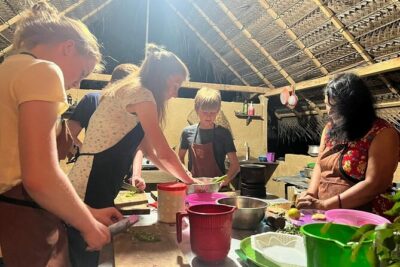
The English instruction is practical, not academic. You get step-by-step guidance while you’re chopping, mixing, and assembling dishes. And because the group is small, you’re not just watching from the back. Many people end up working on different components, then combining what you do into the final spread.
One review detail that’s especially important for your expectations: the group approach means everyone contributes a little to each dish. That changes the whole experience. You are more likely to taste multiple curries and sides instead of only mastering one plate in depth. If your goal is to come away with a wider menu of things you can cook at home, this setup fits that goal well.
What You’ll Cook and Eat in This 3-Hour Session
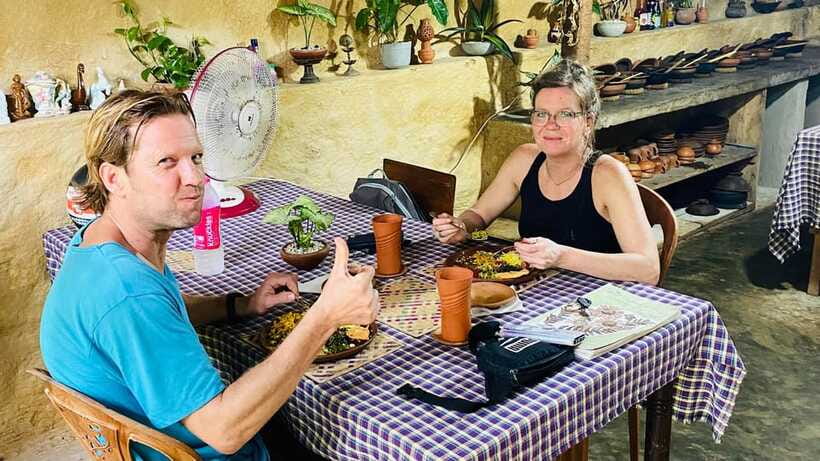
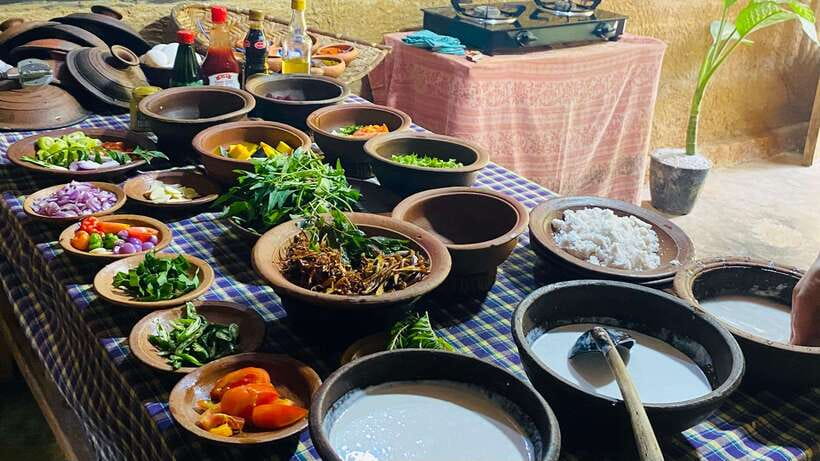
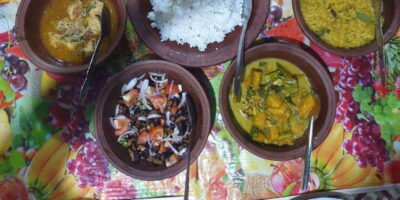
The highlight list calls out a meal built around curry and sambol, and you should expect a satisfying amount of food for the time. You’ll be served (as part of the class meal) 7 Vegetable Curry plus Fish Curry or Chicken Curry, along with Coconut Sambol and dessert. That is already a strong, balanced spread: vegetables for texture, a protein curry for depth, sambol for brightness, and dessert to close it out.
Dishes can also vary by session. In a few cases, the class has been described as teaching double-digit numbers of dishes, up to 11 traditional dishes in one reported group. So even though the time is short, you’ll likely cover more than just one curry and one side.
Here’s how that usually plays in a real cooking timeline:
- You start with curry basics and aromatics, then build flavor in stages.
- You move into vegetable preparation and curry cooking steps.
- You tackle the coconut sambol side, which is its own flavor game.
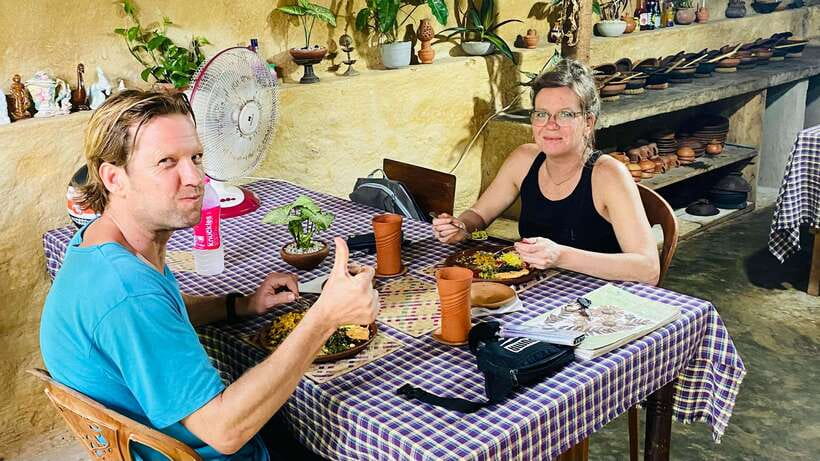
- Finally, you sit down to the feast and eat what you cooked, not just what you watched.
If you’re vegetarian, this class may still work well. One participant noted careful consideration for a vegetarian diet. The safest move is to tell the operator in advance so the chef-guide can plan accordingly.
Within the same drive of Galle, but a different sort of day:
- Whales and Dolphins Watching-Luxury Super Grade Cruiser(Hotel Pick up offered)
★ 5.0 · 1,268 reviews - Galle Fort Walking tour
★ 4.9 · 285 reviews - Snorkeling with Turtles in Mirissa
★ 5.0 · 268 reviews - Whale Watching Mirissa with ( WWC )
★ 5.0 · 252 reviews
Sri Lankan Cooking Skills You’ll Actually Use Later
This class is designed around more than following steps. It teaches you the logic behind Sri Lankan flavor, especially how curry spice mixes, coconut, and aromatics interact.
In practical terms, you’ll learn:
- How to match ingredients to curry types, not just copy a recipe list.
- How coconut changes the texture and finish of curries and sides.
- How curry spices are used to build flavor layers rather than one-note heat.
- How sambol differs from curry, since it is more about fresh, punchy balance.
I also like the cultural angle that shows up through food. The experience includes a chance to learn a few Sri Lankan phrases, which makes the market and home interactions feel less like a transaction and more like a shared moment. You don’t need to be a language person. Even small phrase practice helps you connect and pay attention to the guide’s explanations.
The best part of this kind of class is that it turns vague curiosity into muscle memory. After the market, the ingredients stop being abstract. You recognize them by smell and look, and you understand why they belong together.
The Included Extras That Make It Feel Like a Full Experience
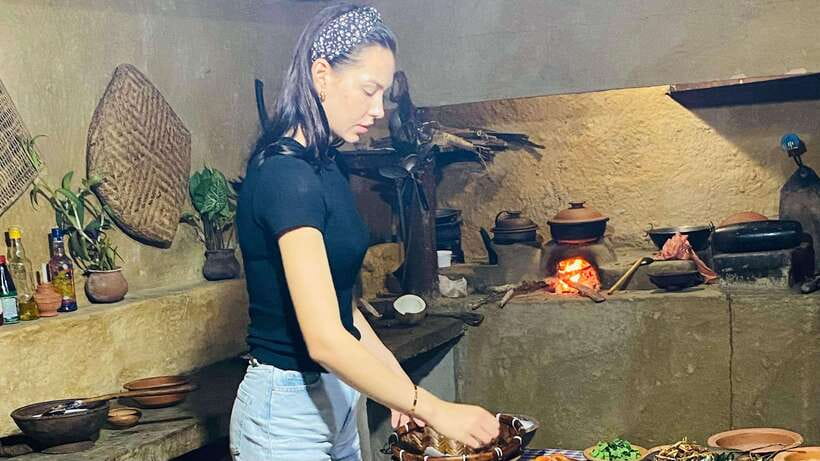
You get a full package for the price, not just a basic cooking lesson. Included are market tour time, hotel pickup and drop-off, a welcome drink, and water during the experience.
You also get ingredients and equipment, which is important. With some cooking classes, you bring your own pantry supplies and hope the host provides the rest. Here, you’re set up to cook during the session.
Then there’s the practical take-home stuff:
- You receive recipes, so you can cook again without guessing.
- There’s photo and video service, so you have memories and can refresh your memory of what you made.
The recipes matter because Sri Lankan cooking can be specific about spice proportions and how dishes are finished. Having a printed or provided recipe helps you repeat the success when you’re no longer in the chef-guide’s kitchen.
Price and Value: Is $40 Worth It?
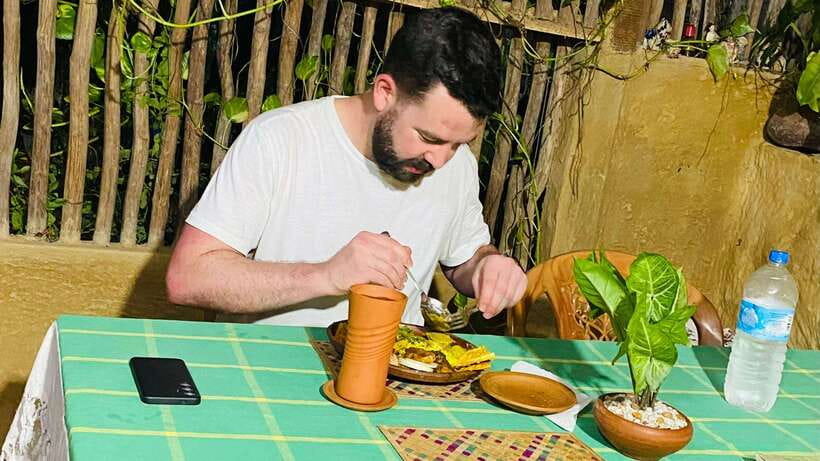
At $40 per person for a 3-hour experience, this class looks like a serious value for what you get. You’re not paying for a showroom meal. You’re paying for a guided market visit, instruction in a home kitchen, ingredients and equipment, a served meal with sides and dessert, plus recipes and photo/video.
The real value piece is the market-to-home flow. If you only did the cooking without the ingredient selection, you would miss half the learning. The market step gives you practical knowledge you can reuse later, like how to choose ingredients and how to think about spice choices.
The other value factor is group size. With a limit of 10 participants, you are more likely to get real attention and active participation instead of standing around. That makes the time feel efficient, not crowded.
Who This Class Suits Best (And Who Might Skip It)
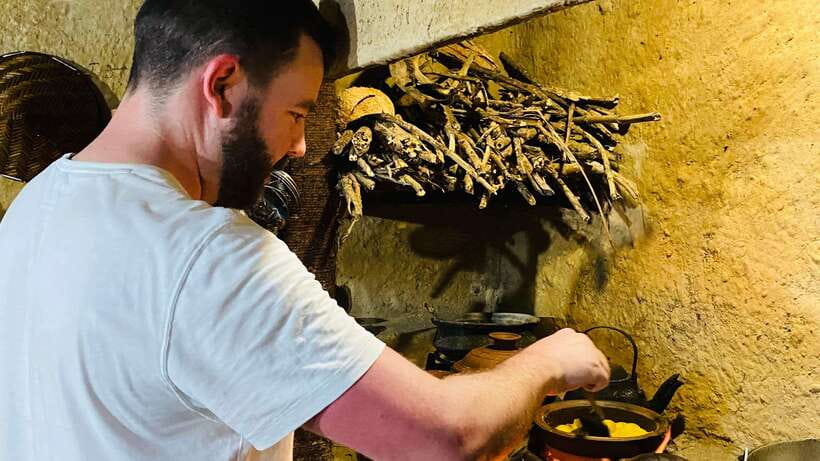
This cooking class is a great match if:
- You want a hands-on food experience instead of a lecture.
- You enjoy learning through shopping, tasting, and cooking.
- You like group meals and want to try multiple dishes.
- You want recipes you can actually use after your trip.
It might be less ideal if:
- You want a long, unhurried experience with lots of downtime.
- You prefer learning one dish deeply rather than cooking several items in a shorter window.
Because it is wheelchair accessible, it can also work for people who need that level of access, since the experience notes accessibility support.
Should You Book This Galle Home Cooking Class?
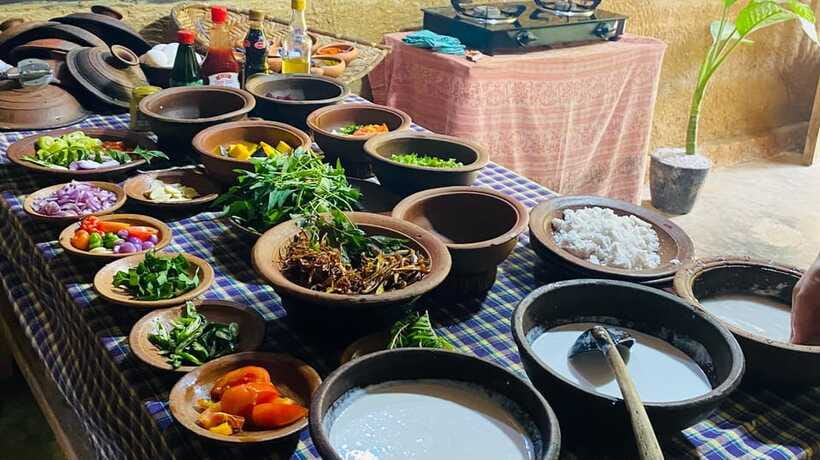
If you’re in the Galle area and you care about eating well and understanding why dishes taste the way they do, I think this is a strong booking. The combination of market ingredient selection, cooking in a home kitchen with Madhu and family, and a full meal that includes curry, sambol, and dessert makes it feel worth the time and price.
Book it if your goal is to leave with more than memories. You should come away with practical recipes, a clearer sense of Sri Lankan curry logic, and the kind of confidence that helps you cook at home.
Skip it only if you hate structured cooking time or you prefer a more restaurant-style experience. This one is built around participation, not watching.
FAQ
Where does the cooking class take place?
The experience is listed in Kotapola, Sri Lanka, with activities centered around the Galle area (including a local market visit and a cooking venue for the home class).
How long is the class?
The experience runs for 3 hours.
How much does it cost?
The price is $40 per person.
Is hotel pickup and drop-off included?
Yes. Hotel pickup and drop-off are included.
Do I visit a market before cooking?
Yes. The program includes a market tour where you procure fresh, locally sourced ingredients.
What do I eat during the experience?
You’ll be served a Sri Lankan course-style meal with side dishes, including 7 Vegetable Curry, Fish Curry or Chicken Curry, Coconut Sambol, and desert.
Is the class taught in English?
Yes. The instructor is English.
How big is the group?
It’s a small group, limited to 10 participants.
What extras are included beyond cooking?
Included are a welcome drink, water, photo and video service, and recipes to take home. Ingredients and equipment are also included.
What is the cancellation and payment flexibility?
You can cancel up to 24 hours in advance for a full refund. You can also reserve now and pay later to keep plans flexible.
More Shopping Tours in Galle
- Galle City Tour And Shopping
★ 4.5 · 12 reviews - Colombo Sightseeing and Shopping Private Tour Including Lunch
★ 5.0 · 12 reviews - Market Tour and Cooking Class from Colombo
★ 5.0 · 5 reviews - Private Market Visit and Cooking Class with Private Transfers from Kandy Hotels
★ 5.0 · 3 reviews
More Markets in Galle
- Market Tour and Hands-On Cooking Class Colombo
★ 5.0 · 140 reviews - Colombo Cooking Experiance with Explore Market
★ 4.7 · 33 reviews - Vegan Cooking Class Colombo with Market Tour
★ 5.0 · 9 reviews - Kandy: Village Cooking Class 12 Dishes with Market Tour
★ 5.0 · 6 reviews
Recent additions in Galle
- Udawalawe National Park Safari Tour★ 4.7 · 3 reviews
- Kanneliya Rain Forest Tour★ 5.0 · 10 reviews
- Yala half day safari★ 4.5 · 4 reviews
- Yala Safari Drive From Galle, Weligama, Mirissa & Dickwella★ 5.0 · 7 reviews
- Yala National Park Private Safari trip from Galle/Unawatuna/Mirissa★ 5.0 · 12 reviews
- Adam’s Peak Night Hike Experience [One Day & ALL INCLUSIVE]★ 5.0 · 14 reviews
- Weligama City to Colombo (CMB) Airport Private Transfer★ 5.0 · 3 reviews
- YALA SAFARI TOUR from Galle/Unawatuna/Mirissa/Tangalle/Ella★ 5.0 · 18 reviews
Cooking Classes, compared.
Organic cooking class sigiriya (kumara & family)
Read our review →
Sri Lankan Cooking Class with Neranji at Homestay
Read our review →
Browse the lists this tour appears in