
Reviewed · COOKING CLASSES
Cooking Class: Sajee’s Place Cooking Class sigiriya
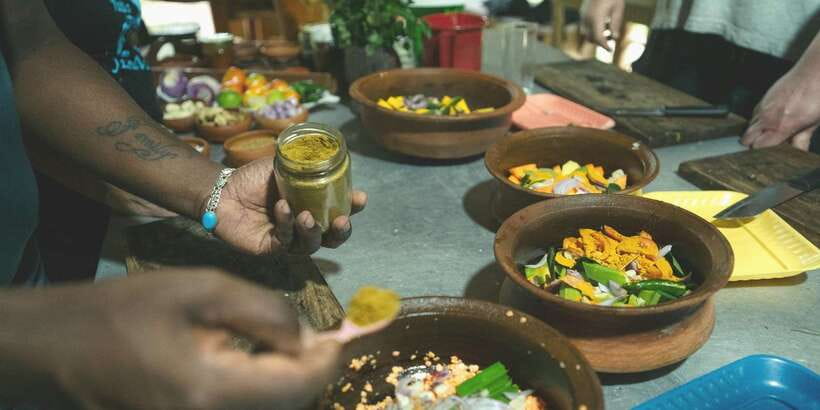
Curry lessons with real spice control. In Sigiriya, Sajee and his wife Suzy teach you Sri Lankan rice and curry step by step, using fresh local ingredients and explaining how the spice mix should taste. I also love the everyone cooks together format, not a sit-and-watch show. One thing to plan for: expect real Sri Lankan spice, though they do adjust to what you can handle.
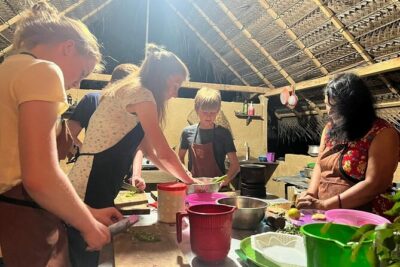
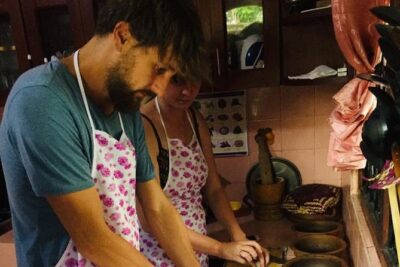
This is a small-group class (up to 10 people), taught in English, and designed to feel like you’re learning with a local family. The heart of the experience is practical cooking: you handle ingredients, stir curries, and make choices that affect flavor. You’ll leave fed, with a stack of instructions you can actually use later.
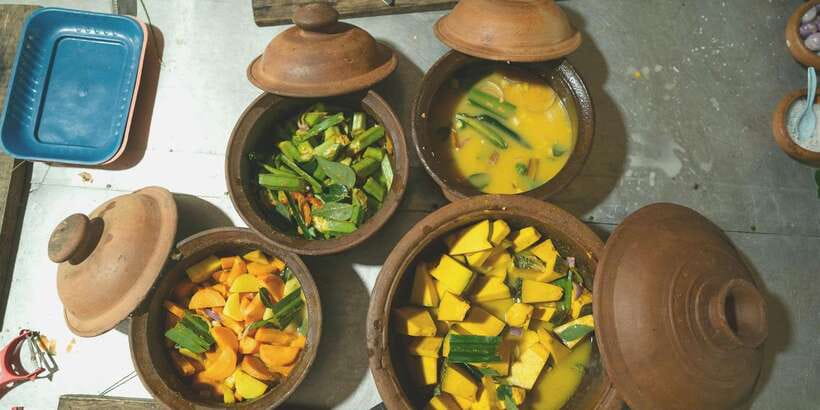
In 3 hours, you’ll work through a full meal. That includes fluffy rice, dhal (lentil curry), chicken curry or fish curry, three seasonal vegetable curries, a stir-fried dish or tempered dish, coconut sambol (or Mallun), plus rice accessories like papadams.
In This Review
- Key highlights you should care about
- Meeting Sajee and Suzy in Sigiriya’s cooking kitchen
- Planning Your 3-hour Sri Lankan rice and curry menu
- The cooking workflow: how the class keeps you busy
- Making fluffy rice the Sri Lankan way
- Dhal plus chicken or fish curry: learning the curry backbone
- Vegetable curries and the seasonal ingredient advantage
- Stir-fry or tempered dish: fast flavor payoff
- Coconut sambol (Mallun) plus papadams: the finishing crunch
- What you eat at the end, and why it feels like a real dinner
- Price and value for a Sigiriya cooking class at $36
- Who should book Sajee’s Place in Sigiriya
- Should you book Sajee’s Place Cooking Class in Sigiriya?
- FAQ
- How long is Sajee’s Place Cooking Class in Sigiriya?
- What is the group size?
- Who teaches, and what language is used?
- What dishes are included in the class?
- Do I get anything to take home after the class?
- Does the class include drinks?
- Is the class wheelchair accessible?
- What is the cancellation policy?
- Can I reserve now and pay later?
Key highlights you should care about
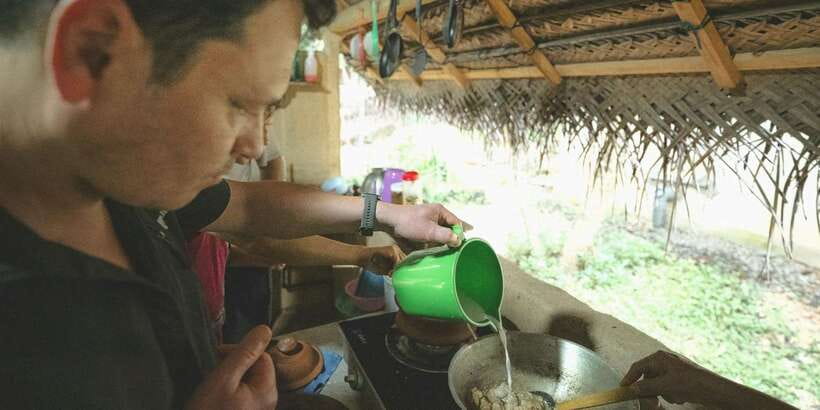
- Hands-on rice and curry, not a demo: You cook, taste, and adjust as you go.
- A husband-and-wife teaching team: Sajee and Suzy guide you through both technique and ingredients.
- Full meal format in 3 hours: Rice, lentils, meat or fish, multiple veg curries, and sambol.
- Fresh local ingredients and Sri Lankan spices: You learn what goes in and why.
- PDF recipes and spice tips after class: You get help recreating the dishes at home.
- Small group size (max 10): More attention, easier Q and A, less waiting around.
Meeting Sajee and Suzy in Sigiriya’s cooking kitchen
Sajee and Suzy run the class together, and it shows in how the lesson flows. You start with a warm welcome, then move straight into the “what is this, what does it do, how do we cook it” rhythm. The tone is friendly and practical, like someone is teaching you the way they cook at home.
What I like most is that the teaching stays tied to real decisions. When you learn spices, you also learn how those spices change the curry. When you learn timing, you also learn how timing affects texture, like how rice should turn out fluffy and not sticky.
Because the group is limited to 10, you’re not stuck waiting for your turn. If you’re a confident cook, you’ll appreciate the detail. If you’re a beginner, you’ll appreciate that they slow down when needed and help you get it right.
More Cooking Classes in Sigiriya
- Organic cooking class sigiriya (kumara & family)
★ 5.0 · 650 reviews - Sajee’s Place Cooking Class
★ 5.0 · 237 reviews - Organic Cooking Class sigiriya home Kitchen(Kumara & family)
★ 5.0 · 116 reviews
Planning Your 3-hour Sri Lankan rice and curry menu
This class is built around a traditional Sri Lankan meal, so you’re not just making one curry. In about 3 hours, you’ll cover a balanced spread that makes sense on a plate: rice plus curries, then sides that bring freshness and crunch.
Here’s the menu structure the class follows:
- Rice (the base for everything)
- Dhal curry (lentils with Sri Lankan seasoning)
- Chicken curry or fish curry (one of these, depending on what’s included for your session)
- Three seasonal vegetable curries
- One stir-fried dish or tempered dish (this is where flavor comes alive fast)
- Coconut sambol or Mallun
- Rice and papadams (papadams add that crisp, savory bite)
That variety is why this feels like a “real meal lesson.” You learn how different curries behave, how coconut sambol changes the whole plate, and how to think in Sri Lankan meal terms rather than single-dish cooking.
The cooking workflow: how the class keeps you busy
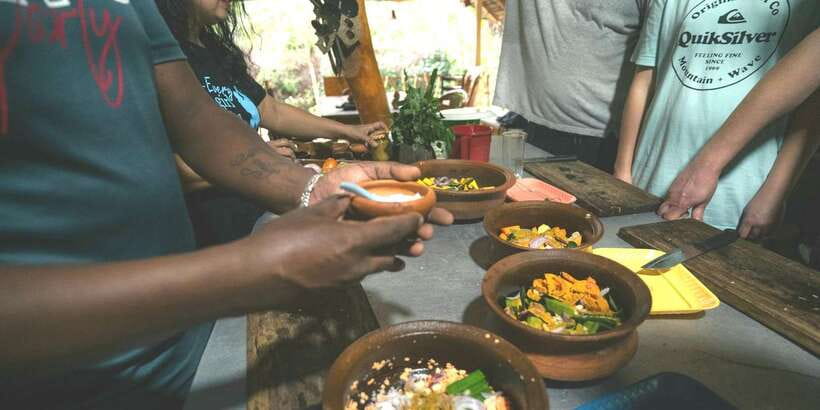
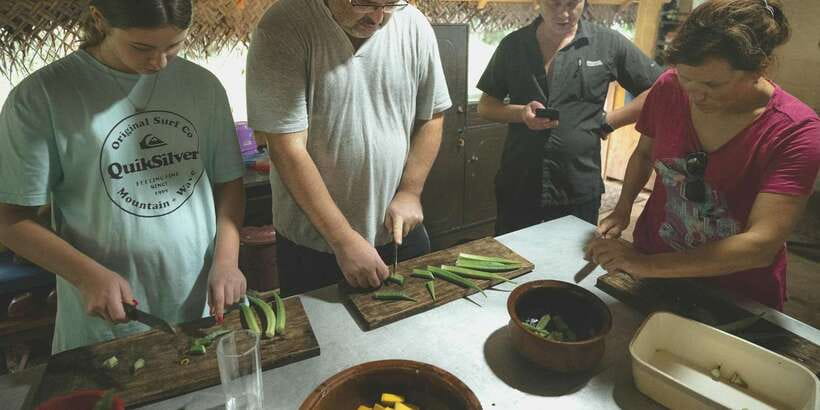
You’ll spend the session moving from ingredient prep to cooking stages, with lots of hands-on steps. The hosts explain ingredients clearly, then guide you through the process so you’re doing the work, not only watching it happen.
A big part of the value here is how they handle adaptability. You’ll learn how the same spice and seasoning logic can work with different vegetables, and how to shift flavors depending on the ingredient. That matters if you want to cook at home later, because you almost never have the exact same veg available.
Also, your comfort level is part of the plan. From what people share, spice tolerance can be adjusted on the fly, so you don’t have to white-knuckle a curry you cannot eat. Still, don’t treat this like a bland lesson. Sri Lankan flavors are meant to be bold, and you’ll learn how to balance them.
Making fluffy rice the Sri Lankan way
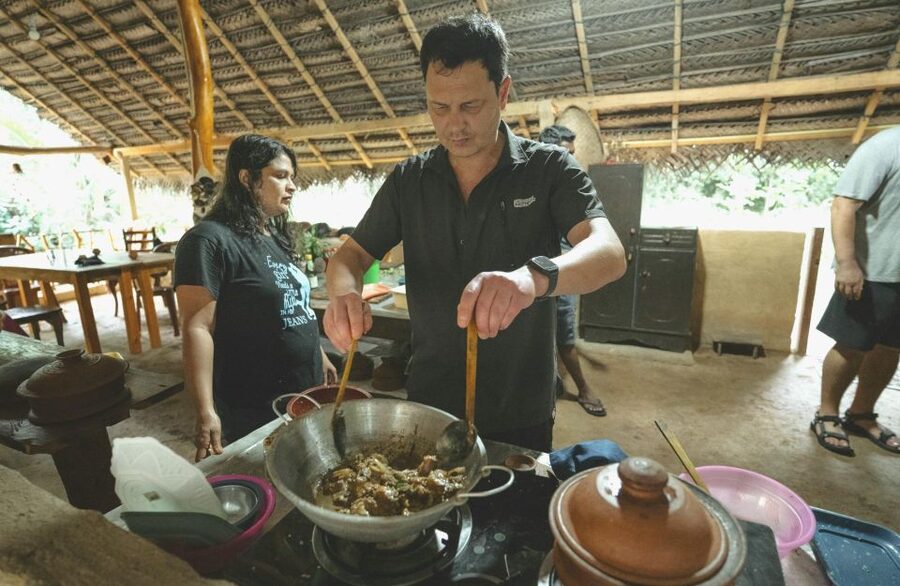
Rice is the foundation, and the hosts treat it like more than a side dish. You’ll learn how to start it correctly, what to watch for during cooking, and how to get that fluffy result.
Why this matters for you: once you get rice right, the rest of the meal becomes easier. Curries taste better when rice has the right texture. It also means your takeaway meal at home feels authentic, not like you improvised the base.
You’ll likely notice they focus on the practical parts of success: prep, heat control, and timing. It’s not just instructions, it’s a cooking mindset.
More Sigiriya bookings:
- From Colombo: Sigiriya and Dambulla Day Trip with Safari
★ 4.7 · 842 reviews - From Kandy: Sigiriya Rock & Dambulla Cave Temple Adventure
★ 4.9 · 785 reviews - From Sigiriya: Minneriya National Park Private Jeep Safari
★ 4.9 · 415 reviews - From Sigiriya: Minneriya National Park Elephant Safari
★ 4.8 · 365 reviews
Dhal plus chicken or fish curry: learning the curry backbone
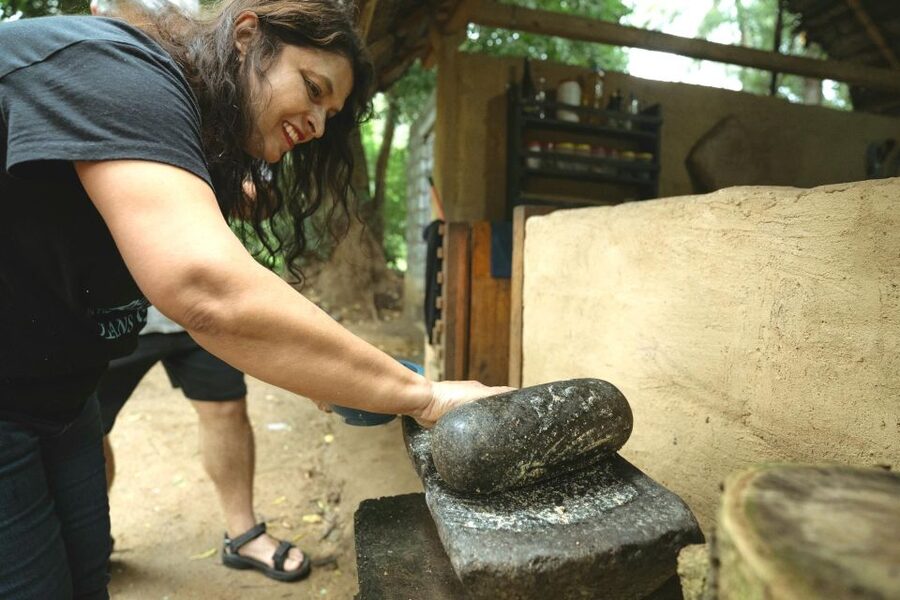
Dhal curry is one of the best learning tools in Sri Lankan cooking because it shows how seasoning and simmering build flavor. You’ll cook it from scratch, which helps you understand what makes the lentils taste rich and satisfying instead of flat.
Then you’ll do your main protein curry, either chicken curry or fish curry, depending on the class option. This is where you learn that curry isn’t just “add spices.” It’s about how you combine aromatics, spices, and liquid, and how the curry develops as it cooks.
If you’re cooking at home later, this is the part you’ll reuse most. The curry backbone is the technique that turns into dozens of dinners, even when you swap ingredients.
Vegetable curries and the seasonal ingredient advantage
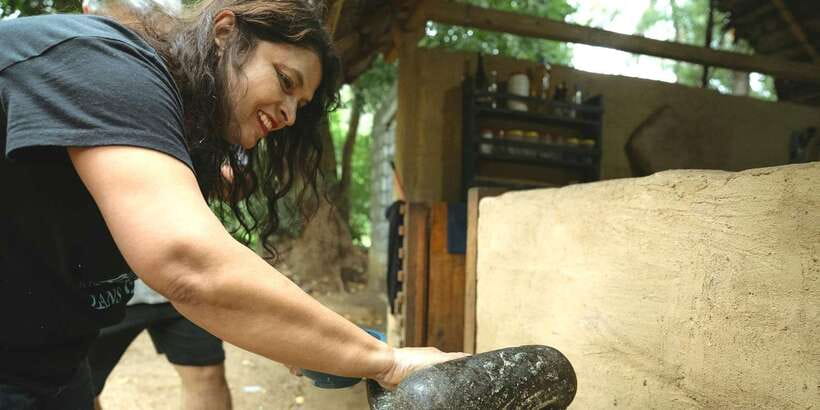
You’ll cook three different seasonal vegetable curries, and that’s a smart choice for two reasons.
First, it teaches you how Sri Lankan seasoning works across different textures. A curry with a softer vegetable behaves differently than one with a firmer bite. Second, seasonal menus help you learn flavors that actually match what’s available locally, which is much more useful than memorizing a dish built for a single grocery store.
In the class, you’ll also get guidance on how to adapt recipes at home. People love this part because it gives a method, not only a list of ingredients.
Stir-fry or tempered dish: fast flavor payoff
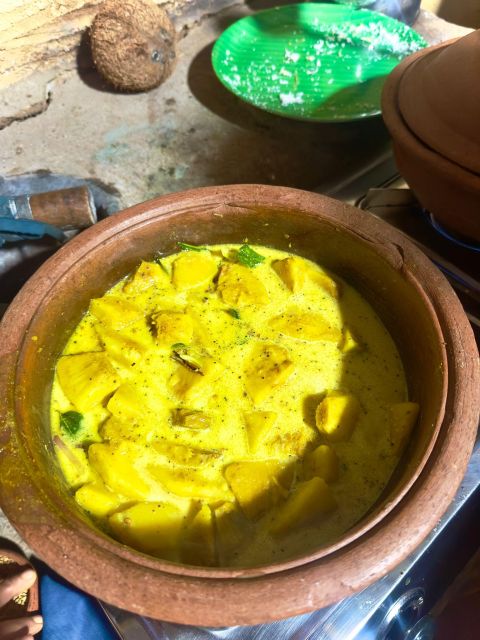
Most Sri Lankan meals include at least one “quick impact” dish. In this class, you’ll make one stir-fried dish or tempered dish, depending on what’s included that day.
Why it’s worth paying attention to: tempering and stir-frying are where oils, spices, and aroma snap into place. These dishes teach you how to control intensity so you get flavor without burning the base.
If you’re the kind of traveler who likes to understand cooking science without a textbook, this section is where things click.
Coconut sambol (Mallun) plus papadams: the finishing crunch
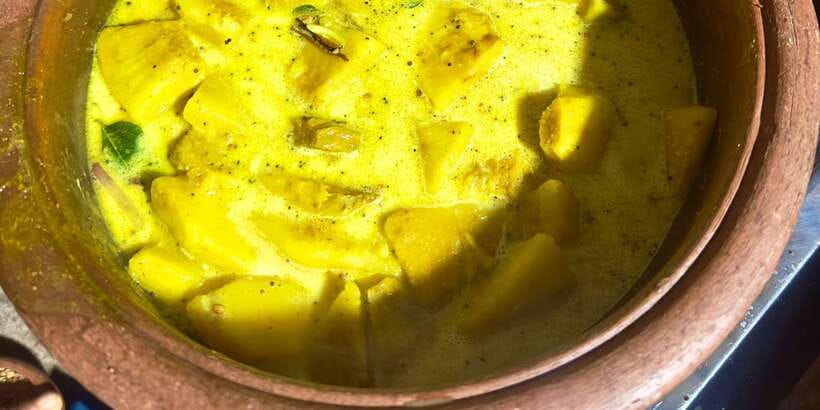
Coconut sambol, also referenced as Mallun, is the cool, bright counterpoint to hot curries. You’ll learn to prepare it with coconut, and you’ll feel the difference it makes once you start eating with rice.
The hosts also include papadams, which are great for texture. On a plate of rice and curries, papadams add that crisp, savory snap that keeps the meal interesting all the way through.
This is one of the best take-home skills too. Sambol is small and fast at home, but it has a big flavor payoff. You can make it even if you only cook one curry.
What you eat at the end, and why it feels like a real dinner
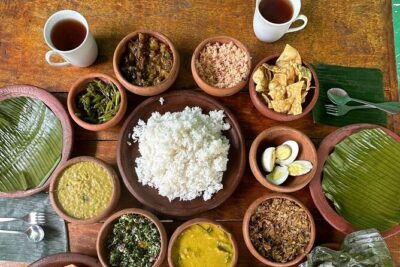
Near the end, you sit down and eat what you cooked. That is not an afterthought. The meal is the proof of the process: rice texture, curry thickness, sambol brightness, and the final balance of everything together.
From people’s notes, the food is consistently praised as truly delicious, not just “good for a class.” That tells you the hosts aren’t only teaching technique. They’re also feeding you, and they know what the finished flavors should be.
Price and value for a Sigiriya cooking class at $36
At $36 per person for a 3-hour class, you’re paying for more than a meal. You’re paying for ingredient handling, guided technique, and a full set of dishes you can reproduce later.
Here’s the value math that matters:
- You get a full rice-and-curry spread, not a sampler.
- You cook multiple curries plus sambol, so you leave with several recipes you can repeat.
- The class is small (up to 10), which makes instruction feel personal instead of rushed.
- You receive PDF recipes and spice tips afterward, which turns the experience into a longer-term learning resource.
- Unlimited water bottles are included, which is a small but real comfort during active cooking.
If you want a fun, practical activity in Sigiriya that doubles as a cultural experience and a cooking skill you’ll actually use, this is strong value.
Who should book Sajee’s Place in Sigiriya
This cooking class fits best if you want hands-on learning and you like eating what you cook.
I’d especially recommend it if:
- You want an authentic Sri Lankan rice and curry experience beyond tourist menus.
- You enjoy food lessons where spices and ingredients are explained in plain terms.
- You’re traveling with teens or friends who like interactive activities.
- You want recipes to take home, not just a memory photo.
If you’re picky about heat or very sensitive to spice, you should mention your tolerance before you start. Based on participant feedback, the hosts can adjust, but you’ll still want a heads-up so the meal matches your comfort.
Should you book Sajee’s Place Cooking Class in Sigiriya?
Yes, I’d book it if you want a hands-on Sigiriya experience that teaches you how to cook a full Sri Lankan meal, not just one dish. The combination of guided cooking, a full lineup of curries plus sambol, small group size, and take-home PDF recipe support makes it one of the best ways to turn your day in Sri Lanka into skills you can use later.
If you prefer passive activities or you only want a light snack, this may feel too “real work” for your taste. But if you like stirring, chopping, tasting, and learning how flavors come together, Sajee and Suzy’s class is an excellent use of time.
FAQ
How long is Sajee’s Place Cooking Class in Sigiriya?
The class runs for 3 hours.
What is the group size?
It is a small group limited to 10 participants.
Who teaches, and what language is used?
Sajee and Suzy host the class, and instruction is in English.
What dishes are included in the class?
The class includes rice and papadams, dhal curry, chicken curry or fish curry, coconut sambol, three vegetable curries, and one stir-fried dish or tempered dish.
Do I get anything to take home after the class?
Many participants receive PDF recipes and tips to help you cook the dishes at home afterward.
Does the class include drinks?
Yes, unlimited water bottles are included.
Is the class wheelchair accessible?
Yes, the activity is wheelchair accessible.
What is the cancellation policy?
Free cancellation is available up to 24 hours in advance for a full refund.
Can I reserve now and pay later?
Yes, reserve now & pay later is offered, so you can book without paying immediately.
Recent additions in Sigiriya
- Wilpattu: Jeep Safari Day Tour From Sigiriya or Dambulla★ 4.2 · 7 reviews
- Adventure trincomalee to sigiriya and wild safari ,village tour★ 5.0 · 5 reviews
- Night Hike to see Elusive & Rare Loris in Sigiriya★ 4.5 · 43 reviews
- Sigiriya Cycle Tour: Explore Village Life in Sigiriya & Enjoy a Village Lunch★ 5.0 · 3 reviews
- Malee Cookery Lessons★ 5.0 · 26 reviews
- Private Polonnaruwa Sightseeing Day Tour from Sigiriya★ 5.0 · 31 reviews
- Sigiriya Rock Climb, Village Tour+Cooking Class & Elephant Safari★ 5.0 · 9 reviews
- Sigiriya Entrance Ticket with Guided Tour★ 4.5 · 13 reviews
Cooking Classes, compared.
Organic cooking class sigiriya (kumara & family)
Read our review →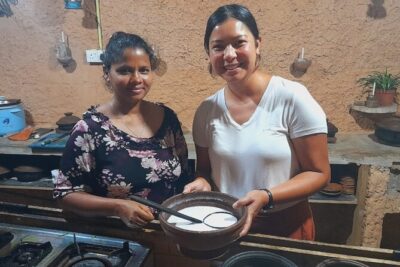
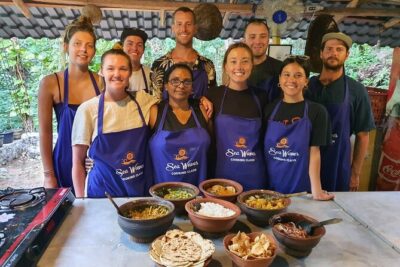
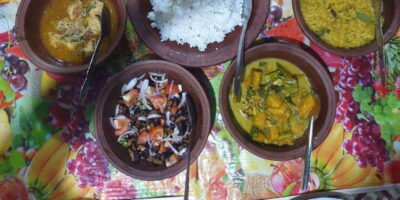
Sri Lankan Cooking Class with Neranji at Homestay
Read our review →
Browse the lists this tour appears in