
Reviewed · COOKING CLASSES
Authentic Sri Lankan Cooking Class in Kandy by Local Family
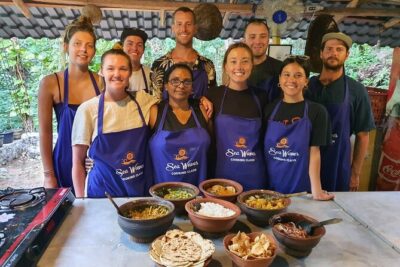
Kandy food classes can be a bit hit or miss, but this one feels grounded in daily life. You cook in a family home near Bahirawakanda Mountain, where Sri Lankan meals are part of the routine, not a staged show. I like that the family teaches you how they really cook, and you get a clear path from spices to finished plates in just 3 hours.
I love two things most. First, you get hands-on instruction from the women who cook at home every day, not a distant chef setup. Second, the meal is substantial, with a lineup that includes coconut roti, coconut sambol, and a choice of fish or chicken alongside vegetable dishes.
One thing to think about: this experience is not suitable for wheelchair users, since it happens inside a home setting.
In This Review
- Key highlights to know before you go
- A Kandy home kitchen near Bahirawakanda Mountain
- What the 3 hour experience looks like, step by step
- Hotel pickup, then straight to the home kitchen
- Market time if you want the full food context
- Cooking together, then eating what you made
- The family teaching style, and why it actually works
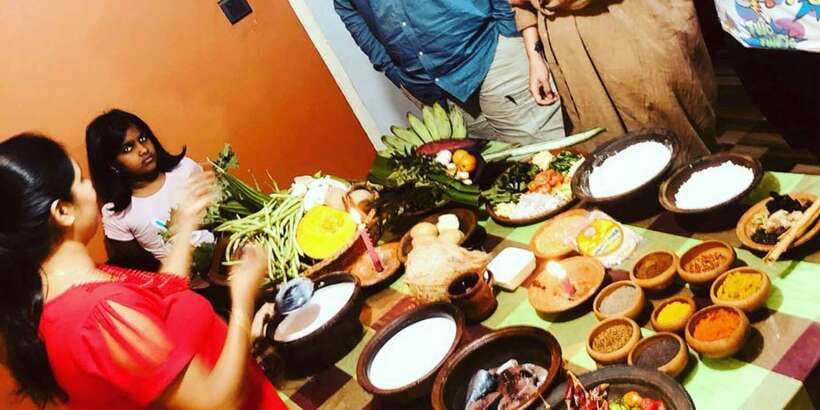
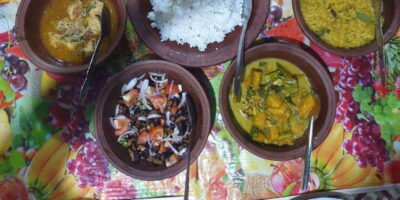
- The ingredient lineup: 10 vegetable dishes plus fish or chicken
- Vegetable dishes: more than a side plate
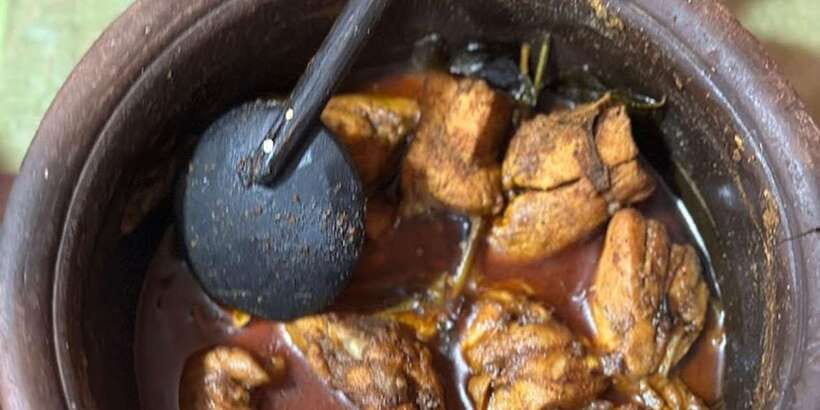
- Fish or chicken, plus the flavors that pull everything together
- Coconut roti and coconut sambol, the true anchors
- What makes the session memorable, based on what you’ll likely notice
- Real questions, real answers
- Curry favorites come from technique, not luck
- The lesson timing is fast, but not random
- Price and logistics, and whether it is good value for you
- What to bring, plus how to plan your day
- Eat lightly beforehand
- Photos and taste
- Who this Kandy cooking class is best for
- Should you book The Best Kandy Kitchen?
- FAQ
- How long is the Sri Lankan cooking class in Kandy?
- How many people are in the group?
- What food is included in the meal?
- Can I choose between fish and chicken?
- Is pickup and drop-off included?
- Is the class taught in English?
- What should I bring and what is not allowed?
Key highlights to know before you go
- Family-first teaching with the wife, sister, and mother as instructors
- Optional local market guidance to understand spices and vegetables
- Coconut roti and coconut sambol are central, not side items
- A standout sambol tool, including a 100-year-old stone used for making sambol
- Recipes provided at the end, so you can cook again later
- Pickup and drop-off around Kandy town included, helpful for short stays
A Kandy home kitchen near Bahirawakanda Mountain

The Best Kandy Kitchen takes place in a traditional family home in the Central Province, close to one of Kandy’s big visual anchors, the large Buddhas statue at Bahirawakanda Mountain. That matters more than you might think, because it shapes the vibe: the setting is described as calm and green, not hectic and commercial.
What you are really buying is more than cooking. You are getting a window into how a Sri Lankan family operates day to day, because the people teaching you cook often, usually multiple times per day. In practical terms, that means the instruction is built around real routines, like what spices get used, how flavors get balanced, and why certain techniques show up again and again.
Also, the class is designed for small groups, limited to 2 participants. For many couples and solo food lovers, that’s the sweet spot. You get time to ask questions, not just stand near the counter while the lesson races past.
More Cooking Classes in Kandy
- Kandy Village Cooking Class
★ 5.0 · 536 reviews - Private Traditional Sri Lankan Cooking Class in Kandy with Hotel Transfers
★ 5.0 · 115 reviews - Cooking With Village Family
★ 5.0 · 104 reviews
What the 3 hour experience looks like, step by step
This class runs 3 hours, and it is structured enough to feel efficient, but relaxed enough to feel human. Here is the typical flow, plus what to watch for.
Hotel pickup, then straight to the home kitchen
Pickup is included around Kandy town, and they ask you to wait in the hotel lobby about 10 minutes before the pickup time. This is helpful because Kandy traffic can turn a simple plan into a stressful one. Once you arrive, you are not ushered into a factory-style kitchen. You’re in a home space where the food making is part of life.
Market time if you want the full food context
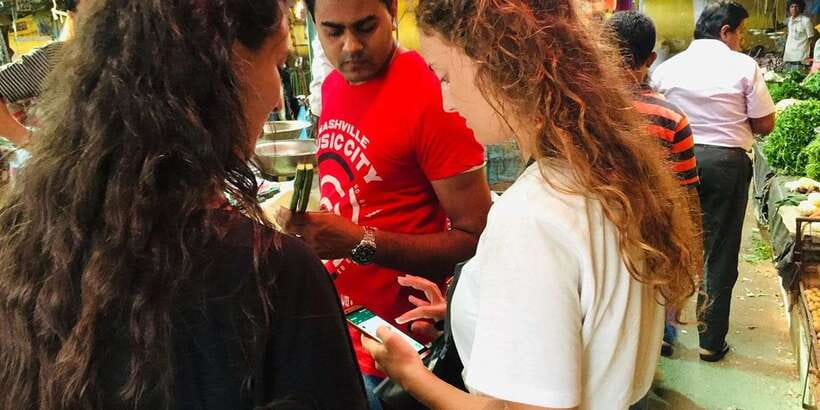
If you want experience with local ingredients, the family can guide you to visit a local market and explain spices and vegetables. This part is a huge value add if you enjoy food learning beyond the stove. You start connecting names on spice containers to how they actually taste in curries and sambols.
One recent market moment included a guide named Dinesha, with time spent buying ingredients for dinner and learning about what goes where. You may also get a short break and a warm welcome before the cooking starts, with tea and pancakes mentioned in one session. That kind of pacing helps if you arrive hungry and a bit jet-lagged.
Within the same drive of Kandy, but a different sort of day:
- Kandy Private Guided City Tour by Tuk Tuk
★ 4.9 · 1,307 reviews - From Kandy: Sigiriya Rock & Dambulla Cave Temple Adventure
★ 4.9 · 785 reviews - Kandy to Ella Train Tickets – Reserved Seats
★ 4.5 · 523 reviews - From Kandy: Pinnawala Day Tour
★ 4.8 · 331 reviews
Cooking together, then eating what you made
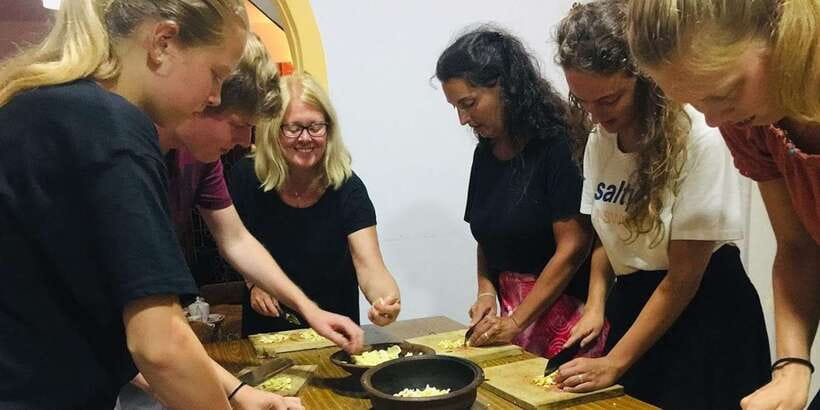
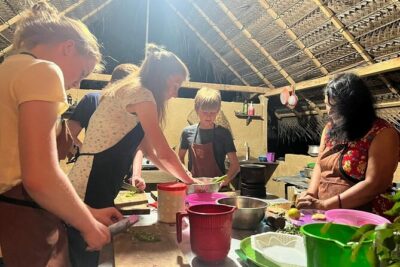
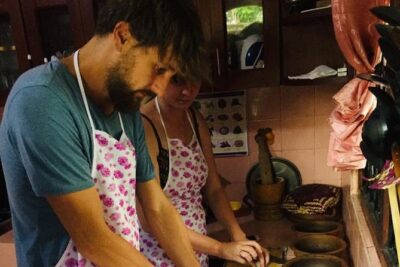
Inside the kitchen, the family teaches you while you participate. One review noted that a lot of the cooking still happened with the family doing the heavier prep, while you handled seasoning. That is not a downside, it’s smart. Sri Lankan cooking rewards skill, but it also rewards your own taste adjustments.
By the end, you eat the meal you helped create. The class includes a set menu structure, and because the quantity of curries can be large, you’ll want to arrive with some appetite.
The family teaching style, and why it actually works
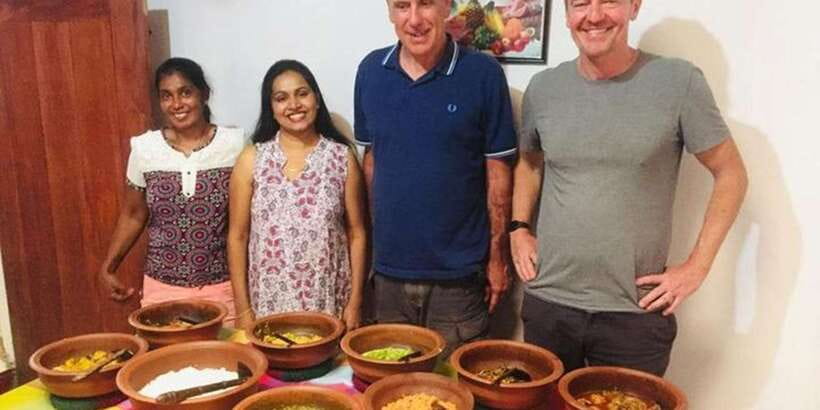
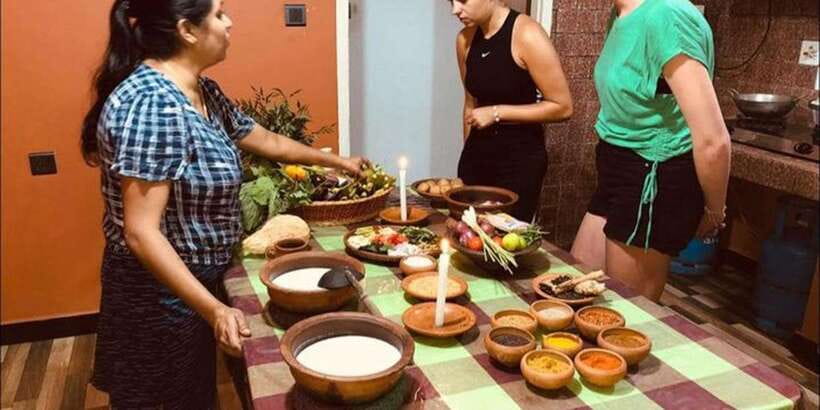
This is not a chef-led performance. There is no chef in charge, and the instructors are the family members: the wife, sister, and mother. That detail matters for your expectations.
If you learn best by watching someone who cooks every day, you will like this format. You are not just memorizing recipes, you’re learning patterns:
- how spices are handled,
- how flavor builds curry by curry,
- and how textures are adjusted as the dish comes together.
One review highlighted that the family taught about a dozen dishes in a short window, with the family doing much of the work and the participants seasoning. That creates a practical outcome. You leave with a sense of what you should taste for, not just what to follow.
There is also a family atmosphere. Sometimes the younger children join during the activity, which can make it feel like you are visiting a real household. It’s charming, and it does not feel overly staged.
The ingredient lineup: 10 vegetable dishes plus fish or chicken
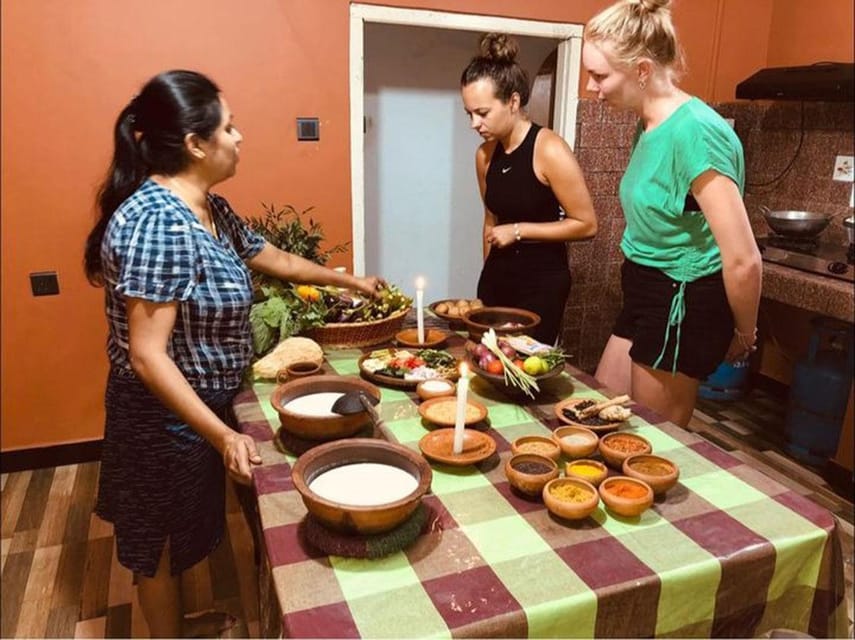
The included meal plan is clear and food-forward. You get TEN TYPES OF VEGETABLE DISHES, plus either fish or chicken based on your choice. You also get:
- Coconut sambol
- Coconut roti
- Water bottles
This is where the class delivers real value. Many cooking classes end up giving you a couple dishes and call it a day. Here, you are looking at a full Sri Lankan spread, the kind you might find as part of a larger family meal.
Vegetable dishes: more than a side plate
Ten vegetable dishes may sound like a lot, and it is. But it helps you understand how Sri Lankan meals use vegetables in varied ways, not just one style of curry. You’ll notice how different vegetables respond to different spice blends and cooking times. That makes your future grocery shopping easier, because you understand the logic behind the dish.
Fish or chicken, plus the flavors that pull everything together
Choosing fish or chicken gives you a main protein dish, while the vegetable curries round out the meal. In Sri Lankan cooking, those curries often share core flavors, then diverge based on spice intensity and balance.
Coconut roti and coconut sambol, the true anchors
Two items get singled out again and again: coconut roti and coconut sambol. Coconut sambol especially teaches you that flavor comes from texture, not only taste. One highlight was the use of a 100-year-old stone board for sambol making. Seeing (and tasting) that difference helps you understand why Sri Lankan cooks take time with certain steps.
If you want a dish you can recreate later, roti and sambol are often the easiest to replicate at home because you can test your results quickly by taste and consistency.
What makes the session memorable, based on what you’ll likely notice
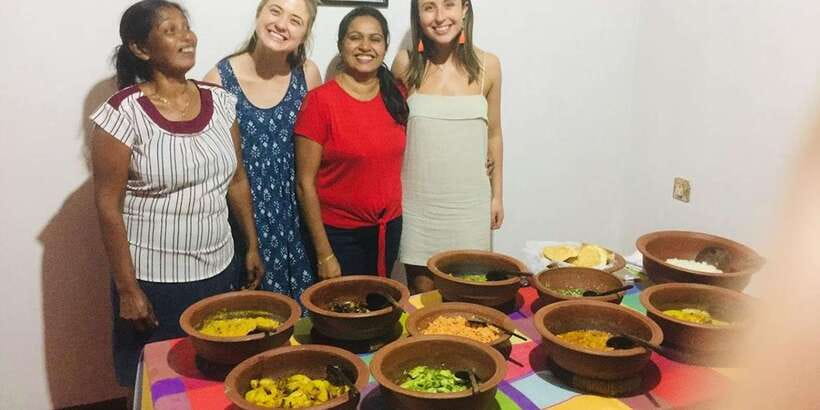
A few details show up repeatedly in how people talk about this class.
Real questions, real answers
The best part of a small group is how freely you can ask why something works. In this class, you are encouraged to ask questions. You also get explanations about spices and vegetables during market time, and again during cooking.
Curry favorites come from technique, not luck
One person called out eggplant and mushroom curry as their favorites. That’s useful for you because it hints at what this class is good at teaching: turning common ingredients into dishes with distinct personality.
The lesson timing is fast, but not random
Because the session can cover a lot of dishes in 3 hours, the pace is energetic. You’ll still get chances to do tasks, but you should expect some prep work to be handled by the family. That keeps the timing on track and prevents the class from turning into a half-day chaos.
Price and logistics, and whether it is good value for you
The price is $99 per group up to 2 for 3 hours. That is not a cheap activity on paper, but the value comes from three things you actually get:
- Instruction from a whole family team, not a single instructor, and not a generic class script.
- A full meal with lots of included dishes, including TEN vegetable dishes plus fish or chicken and coconut items.
- Pickup and drop-off around Kandy town included, which saves time and taxi coordination.
If you are traveling as a couple, the small group limit to 2 can feel like a bargain, because you get focused time without paying per person like some food tours do.
What you should weigh:
- If you prefer a chef-run, very formal class with strict menus only, you might find the family home setting feel casual.
- If you want to pack the day with other activities, plan your arrival and departure carefully, because you will want to stay for the full meal.
What to bring, plus how to plan your day
They recommend bringing:
- a change of clothes (the kitchen activity can get messy),
- a camera,
- cash,
- a charged smartphone.
I’d also suggest you bring a light layer, especially if you plan to spend time outside before cooking. Even in a calm green area, evening or morning temperatures can shift.
Eat lightly beforehand
One practical note: the meal can be big. People have specifically advised skipping lunch because you’ll want room for everything at dinner. So think of this as a dinner-centered plan, not a snack workshop.
Photos and taste
You’ll likely want to take photos while learning. Just remember that some steps depend on timing. You’ll taste as you go, and that matters more than catching every shot.
Who this Kandy cooking class is best for
This is a strong fit if you:
- want authentic Sri Lankan cooking taught by locals who cook the food regularly,
- like market context and want to understand spices and vegetables,
- prefer a small group of 2 where you can ask questions,
- want a full meal outcome, not only a demo.
It’s also a good match if you appreciate family travel experiences, where you’re not just consuming content but learning how a household prepares food.
You might not love it as much if you:
- want a fully professional restaurant-style teaching setup,
- need wheelchair accessibility (the class is not suitable for wheelchair users),
- travel with pets (pets are not allowed).
Should you book The Best Kandy Kitchen?
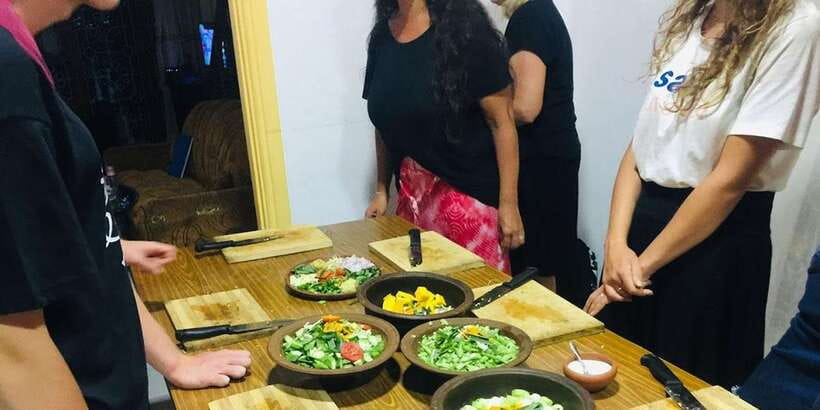
If you are in Kandy and you want one standout food experience that feels local, I’d say this is a smart booking. The biggest wins are the family-led instruction, the included spread of dishes, and the chance to understand ingredients via a market visit.
Book it if you want practical takeaways, recipes you can use later, and a meal that feels like something you would eat in a real Sri Lankan home. If you hate mess, dislike home-kitchen settings, or need accessibility support, consider other cooking options.
If you can, message them about pickup details in advance so the timing works smoothly. For most people, that one step makes the whole experience feel effortless.
FAQ
How long is the Sri Lankan cooking class in Kandy?
The duration is 3 hours.
How many people are in the group?
The class is a small group limited to 2 participants.
What food is included in the meal?
You’ll get TEN TYPES OF VEGETABLE DISHES, plus fish or chicken as your choice. Coconut sambol and coconut roti are included too, along with water bottles.
Can I choose between fish and chicken?
Yes. The included protein is fish or chicken based on your choice.
Is pickup and drop-off included?
Yes, pickup and drop-off are included around Kandy town. You wait in the hotel lobby 10 minutes before pickup.
Is the class taught in English?
Yes, the instructor speaks English.
What should I bring and what is not allowed?
Bring a change of clothes, camera, cash, and a charged smartphone. Pets are not allowed (assistance dogs are allowed). The class is not suitable for wheelchair users.
Recent additions in Kandy
- Udawalawe National Park Private Full-Day Safari★ 5.0 · 3 reviews
- Tuk Tuk Kandy City Tour By Local Guide★ 5.0 · 3 reviews
- White Water Rafting Kitulgala★ 4.5 · 4 reviews
- Tour to the Hidden Waterfalls around Kandy (Knuckles Range)★ 5.0 · 6 reviews
- Kandy City Tour & Famous Ambuluwawa Tower with Friendly Chauffeur★ 5.0 · 11 reviews
- Wasgamuwa National Park Safari from Kandy★ 5.0 · 3 reviews
- Waterfall Abseiling in Kitulgala★ 4.5 · 3 reviews
- Udawalawe Safari Day Tour From Kandy★ 4.5 · 3 reviews
Cooking Classes, compared.
Organic cooking class sigiriya (kumara & family)
Read our review →
Sri Lankan Cooking Class with Neranji at Homestay
Read our review →
Browse the lists this tour appears in