
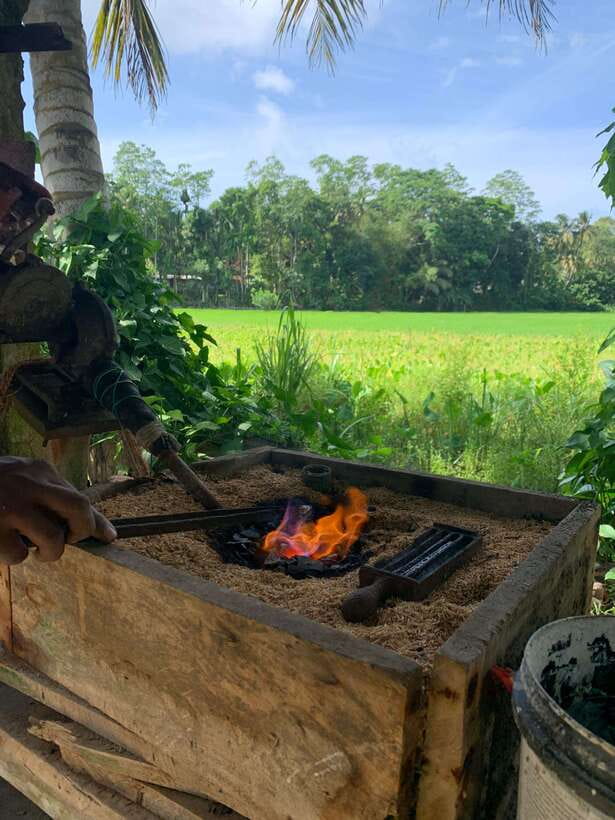
Reviewed · WORKSHOPS
Ahangama: Traditional Jewellery Making Workshop
Hand tools, hot silver, and your own ring. This Traditional Jewellery Making Workshop in Kotapola is a hands-on day where you work with real techniques, not just watch. I love how step-by-step guidance keeps you moving from blank metal to a finished piece, and I also love that the workshop ends with a wearable souvenir, your complimentary silver ring. One thing to plan for is that the meeting point is the artisan’s home, so you’ll want to follow the WhatsApp directions carefully, since it can feel a little tricky at first.
If you care about local craft, this kind of workshop is hard to beat. You’ll spend time with an artisan who explains the process and the meaning behind traditional jewelry, and it feels more personal than a factory-style tour.
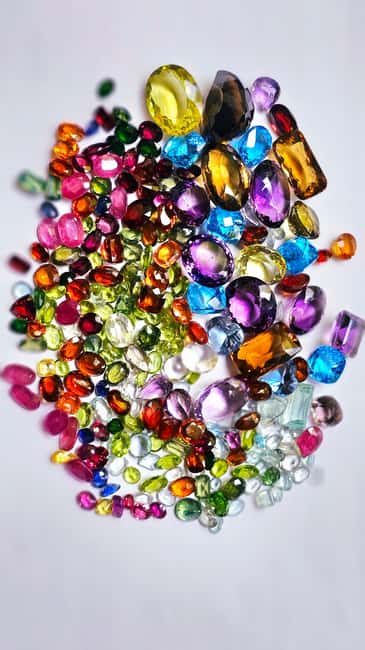
The only drawback I’d flag is practical: gem stones are not included, so the exact look of your final piece may depend on what you choose during the session and what’s available.
What makes this workshop worth your day
- Real ring-making tasks, like shaping, flattening, and filing, not just a quick demo
- All materials and tools included, so you can focus on the craft instead of shopping
- A warm, patient artisan who takes time to explain each step before you try it
- You take home a complimentary silver ring, plus what you make during the day
- English instruction works well if you do not speak Sinhala
- No experience required, which makes the day surprisingly easy to jump into
In This Review
- Kotapola’s Jewellery Workshop: More Making, Less Watching
- Finding the Artisan’s Home: The One Logistical Curveball
- Your First Hour: Welcome Drink, Tools, and How the Day Works
- The Meaning Behind Traditional Sri Lankan Jewellery
- Making Your Silver Ring: The Step-by-Step Craft Time
- Stones and Design Choices: What You Should Know Before You Go
- Your Take-Home Reward: Complimentary Silver Ring Plus Your Handmade Piece
- English Instruction and a Private Group That Actually Feels Personal
- Price and Value: Is $71 Per Person Fair?
- Who Should Book This Workshop, and Who Might Skip
- Practical Tips So Your Day Feels Easy
- Should You Book This Traditional Jewellery Making Workshop?
- FAQ
- What is included in the Traditional Jewellery Making Workshop?
- Do I need any prior experience to make jewelry?
- What is the meeting point?
- Are meals included?
- Are gem stones included in the price?
- What is the cancellation policy?
Kotapola’s Jewellery Workshop: More Making, Less Watching
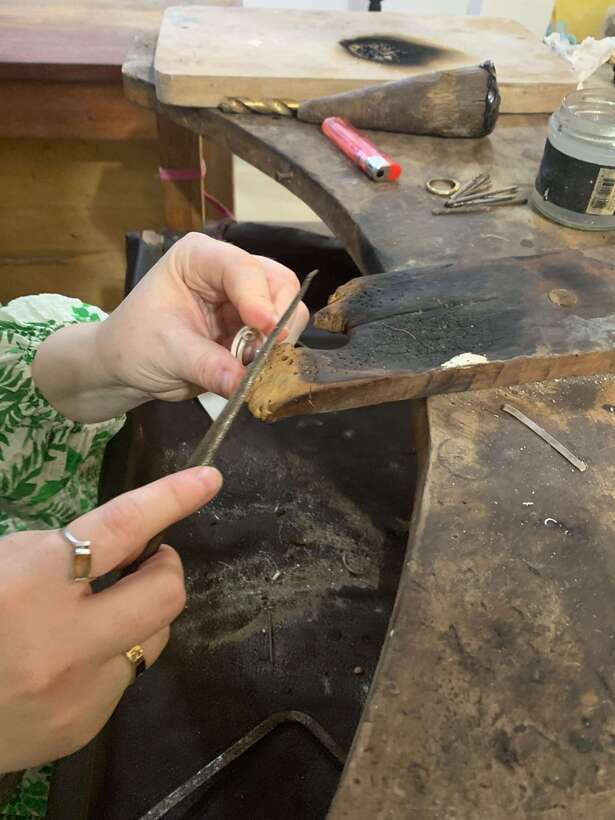
This is the kind of experience you book when you want to leave with something real. Not a postcard. Not a photo. A piece of jewelry that came from your hands.
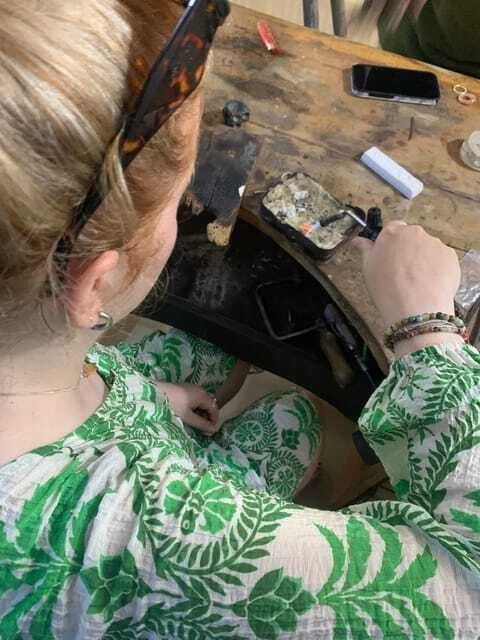
You’ll get a true workshop feel from the start. The artisan you meet runs the session from their home, with a serious collection of tools and the patient rhythm of someone used to teaching people who have never done this before. Reviews mention how step-by-step they are, including short demonstrations before you take over the work.
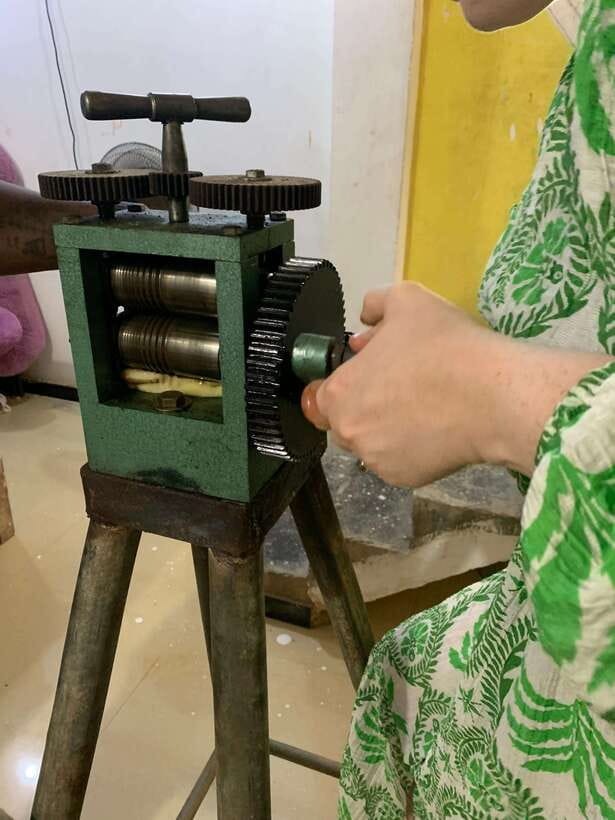
And yes, you should expect to get your hands on the process. One participant noted they melted, flattened, reshaped, and filed their rings during the workshop. That hands-on time is the heart of the value here.
Finding the Artisan’s Home: The One Logistical Curveball
The meeting point is the artisan’s home in the Kotapola area. Once you contact through WhatsApp, the provider guides you and your driver on how to reach the home.
If you hate “where exactly is this place” moments, this is your only real friction point. At least one person found it a bit confusing to get to, then got help from locals nearby. So build in a little extra time for arrival and orientation.
The workshop recommends you arrive 15 minutes early. That’s not just polite, it gives you time to settle, meet the artisan, and get comfortable before the tools come out. You’ll also want to be ready to communicate clearly on arrival, since this is not a big hotel meeting room with signage everywhere.
A few more Galle trips to line up
- Sea waves sri lankan cooking class
★ 5.0 · 467 reviews - Galle: Traditional Jewelry Making Workshop with Transfers
★ 4.7 · 225 reviews - Galle Unawatuna Cooking Class
★ 5.0 · 142 reviews
Your First Hour: Welcome Drink, Tools, and How the Day Works
When you arrive, you’ll get a welcome drink and a quick setup. Then the artisan starts with the overview, including the background of traditional Sri Lankan jewelry and what the design process is trying to accomplish.
You should expect a “watch for a moment, then do it” teaching style. Multiple accounts point out that each step is explained and briefly demonstrated before participants handle the task themselves. That pacing matters because jewelry making can feel fiddly if you jump in without a map.
Also, this workshop is a private group. That means you’re not squeezed into a big crowd where only a few people get attention. You can ask questions, slow the pace down when you want clarity, and actually feel like you’re learning instead of rushing.
One detail I appreciate: the session is taught in English. That helps a lot if you want to understand what you’re doing and not just follow hand signals.
The Meaning Behind Traditional Sri Lankan Jewellery
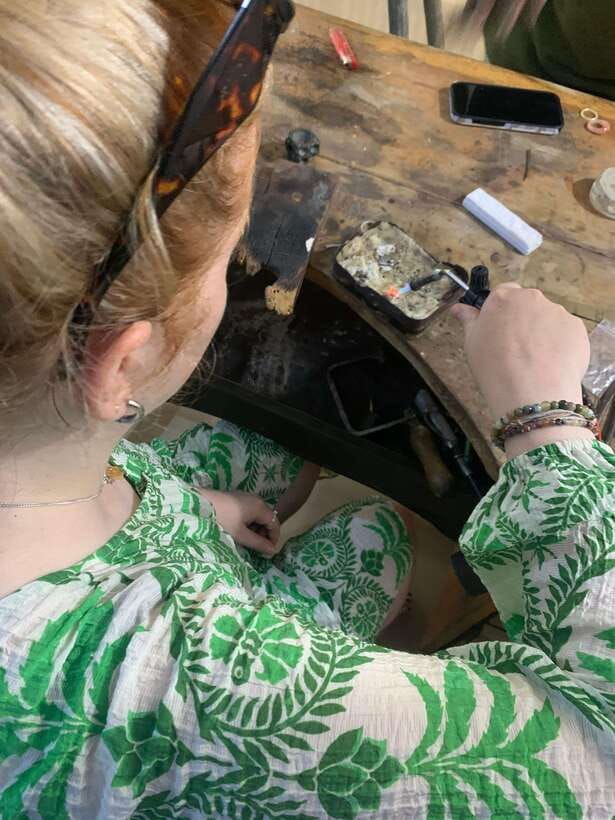
The workshop doesn’t treat jewelry as just decoration. You’ll learn about the history and significance of traditional jewelry in Sri Lankan culture.
This matters more than it sounds. When you understand why certain designs are made a certain way, your work stops being random. You’re not just copying shapes. You’re making choices with a reason.
The artisan-guided talk also helps you appreciate the craftsmanship you’re seeing. Even if you only remember a couple of ideas, it turns the workshop into a cultural experience, not just a craft class.
Making Your Silver Ring: The Step-by-Step Craft Time
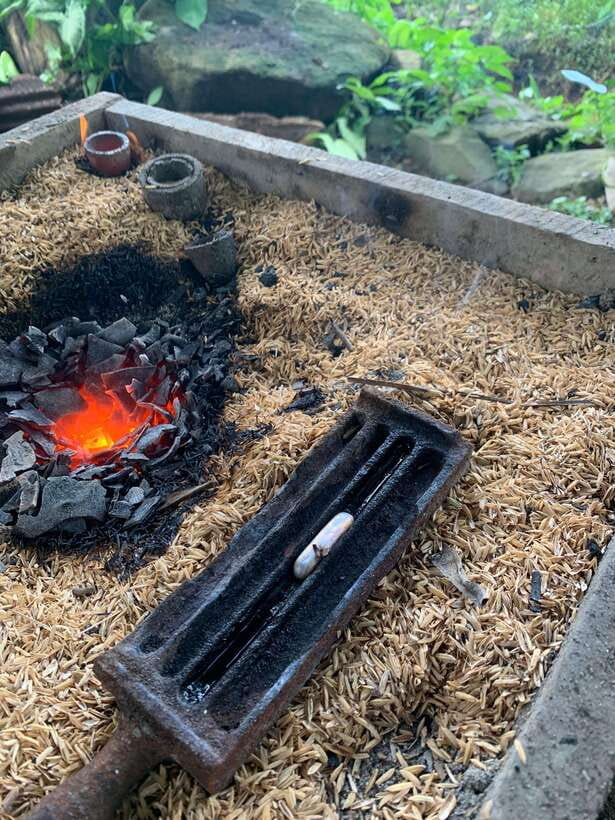
This is where the workshop delivers. The process typically flows through several practical tasks, and you get to practice them rather than just observing.
Based on the way the session is described, you’ll go through parts of the metalworking process such as:
- melting the silver,
- flattening and shaping it,
- filing and refining the ring form,
- and working through the design details with the artisan’s help.
One review described the tools as impressive and the experience as super fun because participants were able to do much of it themselves. Another mentioned they felt like they truly made the piece, with help where needed.
Here’s what to keep in mind as you work: jewelry making rewards patience. If you rush, filing and shaping take longer, and the final shape can look off. The best mindset is calm and hands-on. Think of it as learning a skill, not completing an art project.
Also, because you’re making jewelry by hand, small changes are normal. That’s part of the charm. Your ring will have the fingerprints of the moment you shaped it.
Within the same drive of Galle, but a different sort of day:
- Whales and Dolphins Watching-Luxury Super Grade Cruiser(Hotel Pick up offered)
★ 5.0 · 1,268 reviews - Galle Fort Walking tour
★ 4.9 · 285 reviews - Snorkeling with Turtles in Mirissa
★ 5.0 · 268 reviews - Whale Watching Mirissa with ( WWC )
★ 5.0 · 252 reviews
Stones and Design Choices: What You Should Know Before You Go
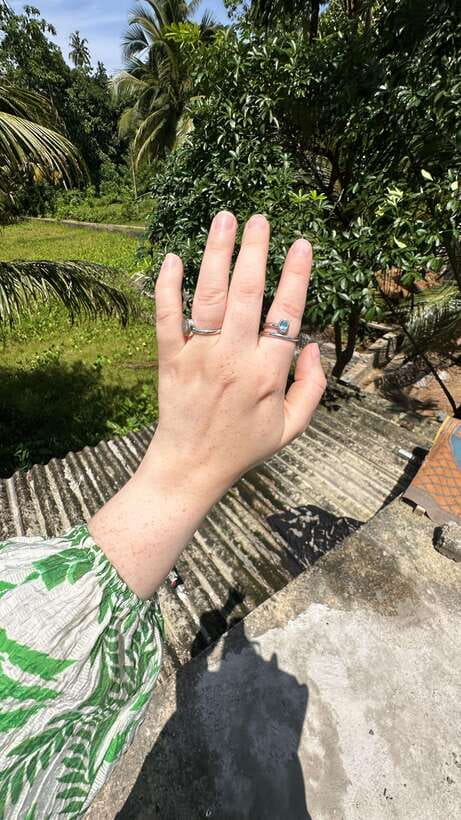
One practical point: gem stones are not included. The workshop does not include gemstones in the price, so you may need to budget for stones if you want them in your final piece.
Still, you can expect to make design choices during the session. The workshop format includes guidance on things like selecting stones and the overall intricacies of the design.
In at least one case, the artisan personally handled the stone setting and then brought the finished ring to the participant’s hotel the next day. That suggests the artisan takes pride in the final look and may manage finishing details to help you get a better result. But you shouldn’t count on delivery unless it’s arranged for your situation.
If you want the cleanest experience with the least surprises, ask what options are available for stones when you confirm. Since stones aren’t included, the availability can influence what you can create.
Your Take-Home Reward: Complimentary Silver Ring Plus Your Handmade Piece
The workshop highlights a complimentary Silver Ring to take home. That’s the big “wow” at the end of the day, because you’re leaving with something wearable and made through your own effort.
And you’re not just getting a token. The workshop includes guidance from the artisan, plus all materials and tools needed for the jewelry making, so you actually finish your own handmade jewelry to take home.
In one account from Germany, the master set the stone and then delivered the ring to the participant the next day. Even if your session doesn’t include that exact convenience, it’s a good sign that the artisan pays attention to finishing.
If you’re the type who likes souvenirs with a story, this one wins. You can remember how the ring took shape, which is far more meaningful than buying something finished somewhere else.
English Instruction and a Private Group That Actually Feels Personal
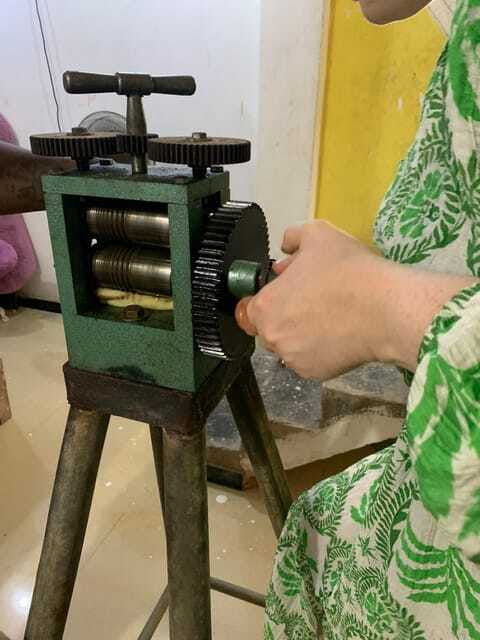
This workshop is taught in English, and it runs as a private group. That combination makes it friendly for beginners who want to understand the process.
No prior experience is required. Reviews also point out how the artisan explains each step, then hands you the tasks. That approach is great for you if you learn by doing.
One more point: the workshop recommends arriving 15 minutes early to settle in. In a home workshop setting, that’s what keeps the day smooth. You don’t want to walk in when everyone is already mid-process.
Finally, there’s a simple rule: no smoking during the session.
Price and Value: Is $71 Per Person Fair?
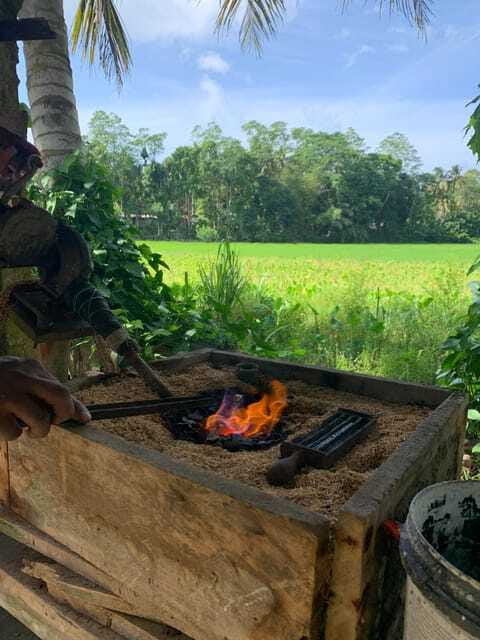
At $71 per person, the price feels reasonable because the workshop includes the pieces that usually cost money in craft classes: materials, tools, and expert guidance.
A lot of classes make you pay extra for supplies, or the instruction time is brief. Here, the “included” list is doing real work:
- welcome drink,
- all materials and tools,
- guidance from the artisan,
- your own handmade jewelry to take home.
The only clear financial add-on is gem stones. So if you want a ring with stones, you’ll likely spend more than the base price.
For many people, the value is also emotional. You’re not only paying for the product. You’re paying for a full day of patient teaching and hands-on craftsmanship that ends with a keepsake you made yourself.
Who Should Book This Workshop, and Who Might Skip
This is a great fit if:
- you want a hands-on local craft experience in Sri Lanka,
- you’re comfortable trying something new,
- you care about traditional jewelry and design meaning,
- you want a souvenir that is personal and wearable.
It might not be a fit if:
- you’re traveling with children under 12 (the workshop is not suitable for them),
- you have back problems (also noted as not suitable),
- you use a wheelchair, since there’s a note that it’s not suitable for wheelchair users, even though the activity info also says wheelchair accessible.
That last part is worth extra attention. Because the data has a mismatch, I’d contact the provider before you commit and ask how the space and tasks work for your needs. Home workshops can mean stairs, tight workspaces, or long sitting periods.
If you simply want a quick photo stop, this is not that. It’s a working workshop.
Practical Tips So Your Day Feels Easy
A little prep makes the workshop smoother.
First, plan your timing so you can arrive early. The artisan recommends 15 minutes early to settle in, and you’ll feel that difference once tools and steps start.
Second, wear something that’s comfortable for careful hand work. Jewelry making can involve fine movements and potentially a bit of mess. You want to focus, not worry.
Third, expect that the workshop is structured around instruction and your participation. Come with a beginner mindset. If you’re calm, you’ll get better results. If you rush, everything feels harder.
Fourth, remember that transportation is not included. You’ll need to arrange getting there and back yourself.
Finally, if you care about gemstones, ask what’s available before the day. Since gem stones aren’t included, it helps to know your options ahead of time.
Should You Book This Traditional Jewellery Making Workshop?
Book it if you want an honest craft day in Sri Lanka, with real guidance and a finished souvenir you made yourself. The strongest reasons are the hands-on work, the supportive step-by-step teaching, and the fact that you leave with a complimentary silver ring.
Skip it if you mainly want sightseeing, not making. Also reconsider if you have mobility concerns related to sitting, bending, or workshop space, since the data notes it may not be suitable for people with back problems and it flags wheelchair suitability as an issue.
If you do book, message the provider on WhatsApp in advance and confirm stone options. That way, you control the two biggest variables: how easy finding the home workshop feels, and whether your design includes the look you want.
With those boxes checked, this is one of those experiences that turns your Sri Lanka trip into something you can hold, wear, and remember.
FAQ
What is included in the Traditional Jewellery Making Workshop?
The workshop includes a welcome drink, all materials and tools needed for jewelry making, guidance from a skilled local artisan, and your handmade jewelry to take home.
Do I need any prior experience to make jewelry?
No prior experience is required. The artisan guides you through the process step by step.
What is the meeting point?
The location is the artisan’s home. After you contact through WhatsApp, you will be guided on how to reach there, including how to guide your driver.
Are meals included?
Meals are not included.
Are gem stones included in the price?
No. Gem stones are not included.
What is the cancellation policy?
You can cancel up to 24 hours in advance for a full refund.
Recent additions in Galle
- Udawalawe National Park Safari Tour★ 4.7 · 3 reviews
- Kanneliya Rain Forest Tour★ 5.0 · 10 reviews
- Yala half day safari★ 4.5 · 4 reviews
- Yala Safari Drive From Galle, Weligama, Mirissa & Dickwella★ 5.0 · 7 reviews
- Yala National Park Private Safari trip from Galle/Unawatuna/Mirissa★ 5.0 · 12 reviews
- Adam’s Peak Night Hike Experience [One Day & ALL INCLUSIVE]★ 5.0 · 14 reviews
- Yala National Park Private Safari (All Inclusive) From Mirissa★ 4.5 · 4 reviews
- Weligama City to Colombo (CMB) Airport Private Transfer★ 5.0 · 3 reviews
Workshops, compared.
Organic cooking class sigiriya (kumara & family)
Read our review →
Sri Lankan Cooking Class with Neranji at Homestay
Read our review →
Traditional Jewelry Making Workshop with Transfers
Read our review →Browse the lists this tour appears in