
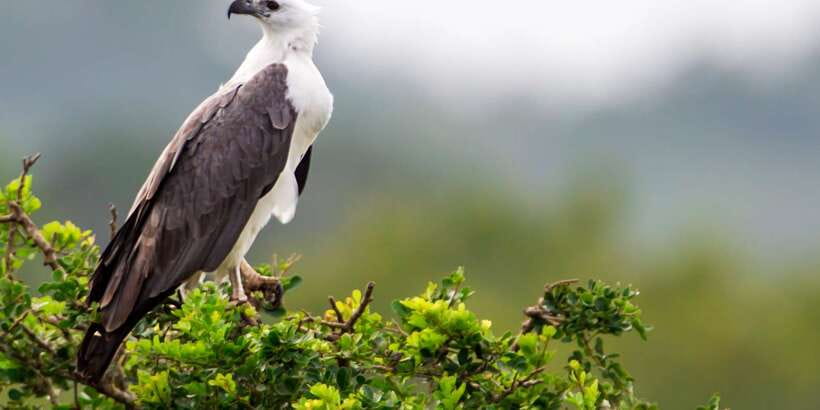
Reviewed · YALA NATIONAL PARK SAFARIS
Tangalle: Safari Day Trip to Yala & Udawalawe w/ Picnic
Two parks in one day. That’s the whole charm here, and it works because you get the wildlife momentum of an early Yala sunrise, then shift to Udawalawe’s elephant-focused afternoon. I especially like the way the trip strings together a classic 4×4 jeep safari experience in two different parks, plus a picnic lunch that keeps you fueled for long game drives. One consideration: the Elephant Transit Home visit can feel emotionally tough, since some people have reported staff using a stick during feeding time.
What makes this itinerary feel “worth the hours” is the tight flow, pickup from Tangalle, Hiriketiya, or Hambantota, Yala first thing, then an Elephant Transit Home stop, and finally Udawalawe until sunset. Guides can make a big difference, and names like Ishan, Dylan, Tikiri, and Yashara show up as standout guide picks for driving, spotting, and keeping you moving at safari speed in the right places.
In This Review
- Key points to know before you go
- Two Parks, One Long Day: Tangalle, Hiriketiya, and Hambantota Pickup
- Golden-Hour Yala Safari in a 4×4 Jeep
- Picnic Lunch Fuel Before the Elephant Transit Home Stop
- Elephant Transit Home Feeding Time: Why It’s Popular, What to Consider
- Udawalawe Late-Afternoon Safari and Elephant Odds Until 6 PM
- Comfort, Guide Quality, and How Jeep Driving Changes Your Day
- Price and Entrance Fees: Is $93 Good Value?
- Who This Safari Day Trip Suits Best, and Who Might Rethink It
- Should you book this Tangalle to Yala and Udawalawe safari?
- FAQ
- What areas are picked up for this safari day trip?
- How long is the tour?
- Which parks are included?
- Is the picnic lunch included?
- Are park entrance fees included in the price?
- What time does the Udawalawe safari run?
- Is the tour guide available in English?
Key points to know before you go
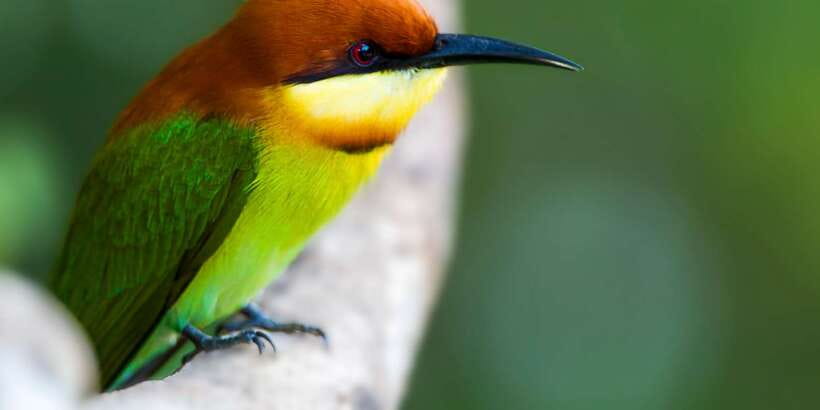
- Sunrise in Yala, then sunset in Udawalawe gives you two wildlife rhythms, not just one long drive
- Two jeeps, two parks means you’re not betting everything on one landscape or one animal moment
- Elephant Transit Home feeding time gets you close to hundreds of elephant calves, but pay attention to how it’s handled
- Air-conditioned transport helps on a 14-hour day when you may be in and out of the jeep repeatedly
- Entrance fees are extra (Yala is listed at about 13,000 Sri Lankan rupees, roughly 40 USD, and Udawalawe is also not included)
- English live guide keeps your animal sightings, stops, and questions clear and practical
Two Parks, One Long Day: Tangalle, Hiriketiya, and Hambantota Pickup
This is a full-day safari loop built for convenience. If you’re staying around Tangalle, Hiriketiya, or Hambantota, you’ll get picked up and dropped off from your hotel area, then spend most of your day on the road moving between Sri Lanka’s two big wildlife hubs for jeep safaris: Yala National Park and Udawalawe National Park.
The trip runs about 14 hours, so the “value” is in not having to plan separate tours. Instead, you get one organized schedule that tries to cover the two most common wildlife priorities people have when they come to the south and east coast. Yala is known for its mix of mammals and lots of birdlife, while Udawalawe is famous for its elephants and easier afternoon viewing.
A practical point: you’re not just hopping between parks, you’re also changing gears between different safari styles. Yala is early and movement-focused, then you take a break for lunch and elephants at the transit home, and later you settle into the Udawalawe rhythm as it builds toward sunset. If you tend to get restless waiting around, this kind of structured pacing is a plus.
Also, entrance and service fees are not included. That means your all-in cost depends on what the parks charge on your day. For Yala, the fee is listed at about 13,000 Sri Lankan rupees per person (around 40 USD), so I’d treat that as a must-budget number from the start.
More Safaris in Udawalawe
- Udawalawe National Park: Elephant Safari with Expert Guide
★ 4.9 · 641 reviews - Galle/Mirissa/Hiriketiya: Drop to Ella & Udawalawa Safari
★ 4.9 · 186 reviews - Udawalawe: National Park Safari & Elephant Transit Home Tour
★ 4.9 · 183 reviews
Golden-Hour Yala Safari in a 4×4 Jeep
Yala National Park is where the day starts bright. Your morning goal is sunrise, often called the golden hours because wildlife activity can pick up as light changes and animals move between cover and open ground. From the outside, it sounds like a marketing phrase. In practice, it matters because jeep time in a wildlife area is limited, and early hours give you more chances at the “first sightings” energy.
Once you arrive, you meet your private guide and climb into a sturdy 4×4 vehicle. The terrain inside Yala is described as a mix of light forest, scrub, grasslands, and lagoons. That matters for spotting because different animals use different edges. With the right route, a guide can shift you between habitats as sightings pop up, rather than forcing you to stay on one kind of ground all morning.
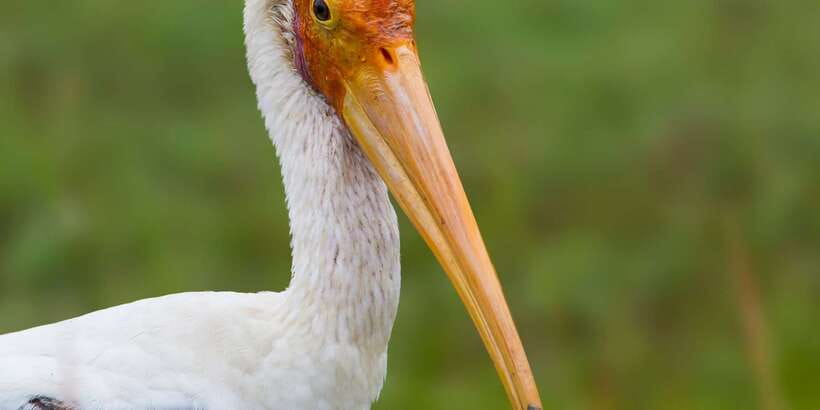
Yala is also described in terms of variety. You’re told to expect 44 varieties of mammals and 215 bird species. That’s not a guarantee you’ll see all of them, but it’s a reminder that Yala can be good even when big cats are quiet. You might still get strong wildlife moments from elephants, water buffalo, jackals, and lots of birds.
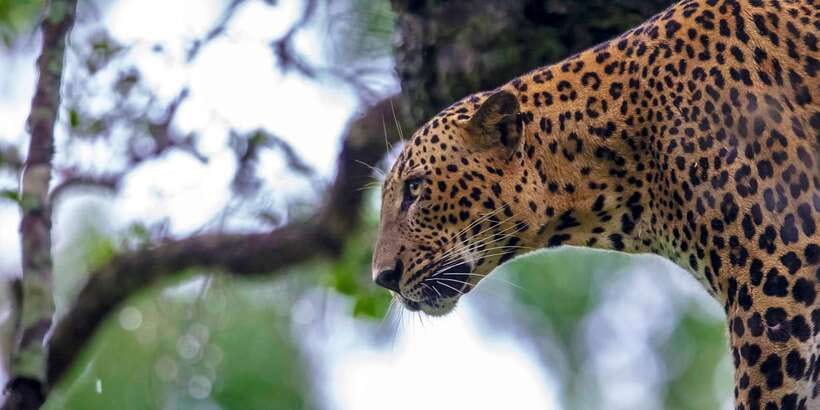
Two realities to keep in mind. First, leopard sightings are often the headline, but they can be unpredictable. One drawback I’d watch for is the way jeeps can converge when there’s a single animal people are hoping to photograph. That can make the experience feel slightly rushed and less calm for the animal. Second, if you’re the kind of person who likes explanations at each stop, confirm that your Yala portion includes a guide who is actively working with you, not just driving. On at least one departure, the Yala part was described as having less guide presence than expected, and that can reduce the “why are we here” context.
Still, when Yala hits, it hits. You’re in the right place and time, and your jeep is built for the roads and tracks. You’ll also stay comfortable thanks to the air-conditioned vehicle used for transfers during the day.
Picnic Lunch Fuel Before the Elephant Transit Home Stop
After the morning safari, the schedule gives you a breather: a picnic lunch before you continue to the Elephant Transit Home. This is one of those “small” parts that makes a big difference on a long safari day. When you’re changing locations and hunting sightings all morning, hunger can make you cranky fast, and it’s hard to focus through fatigue.
The lunch is included, and it’s described as huge and delicious, with bottled water and soft drinks also provided. That combination helps because you don’t have to find food, pay separately, or time your eating while the safari window is shrinking.
There’s another benefit here. The day is built around two different wildlife settings. Once you eat, your brain can reset. That matters because the transit home stop is emotionally different from a park drive. If you show up hungry and tired, that contrast can feel harder.
If you’re the type who likes to keep moving, you might still feel antsy during the transition. But use this time to slow down, check your camera and memory cards, and rehydrate. It will pay off when you get to Udawalawe later, especially as the light starts to shift toward sunset.
Elephant Transit Home Feeding Time: Why It’s Popular, What to Consider
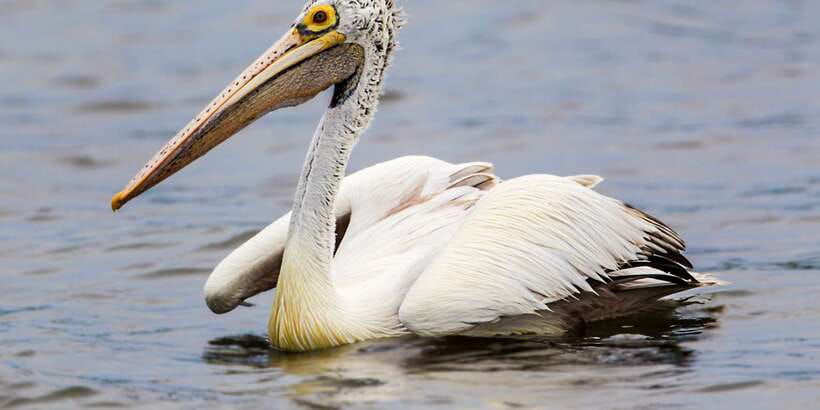
The Elephant Transit Home stop is one of the most talked-about parts of this itinerary because it’s designed around feeding hours. You go in the timeframe when you can get a closer look at hundreds of wild elephant babies.
For many people, this is the most memorable wildlife-adjacent moment of the day. It’s not the same as spotting elephants from a distance in a national park. It’s closer, more immediate, and it gives you a chance to watch behavior during feeding. If you like animals and you want a front-row view of elephant calves, this part delivers.
Now for the tough part. One booking described the handling during feeding as disturbing, saying a handler was beating baby elephants with a wooden stick and yelling, and that the elephants looked afraid. Whether that’s typical or a one-off, it’s a legitimate concern to take seriously. If animal welfare is a priority for you, I’d recommend you walk in prepared for emotional discomfort.
Here’s what I think is fair advice:
- Go with clear expectations that this is not a quiet, hands-off viewing. It is a feeding scene.
- If what you see feels wrong to you, give yourself permission to step back and take a breather.
- Focus on the elephants themselves, not the methods, and protect your peace.
You can still treat the transit home as a learning moment, but don’t pretend it’s a perfectly comfortable experience for everyone.
More Safaris in Yala
- Ella: Transfer to Tangalle/Mirissa/Galle & Yala/Udawalawe Safari
★ 4.5 · 73 reviews - All inclusive Yala/Udawalawa Safari From Ella, Mirissa,Hiriketiya
★ 5.0 · 51 reviews - VALUE PACK! One Day Safari Tour to Yala and Udawalawa Parks
★ 4.5 · 28 reviews - GO WILD! Double Safari Day Trip (Yala & Udawalawe) – Private & All Inclusive
★ 5.0 · 23 reviews
Udawalawe Late-Afternoon Safari and Elephant Odds Until 6 PM
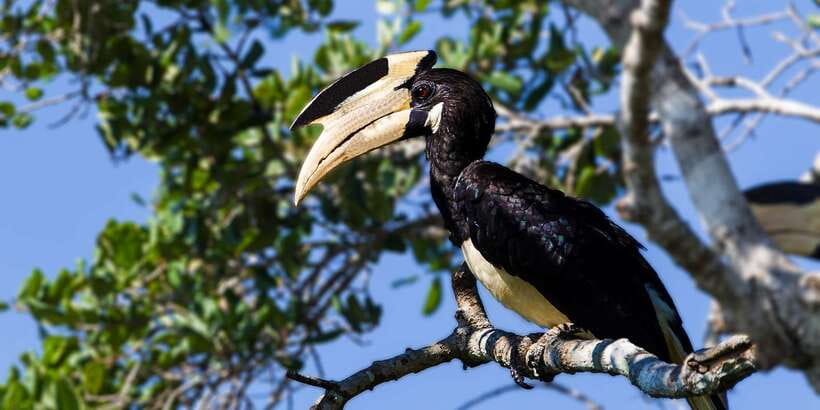
Udawalawe National Park is where the day shifts again. After the transit home, you arrive in the afternoon and have time from about 3 PM until sunset, with the park closing at 6 PM.
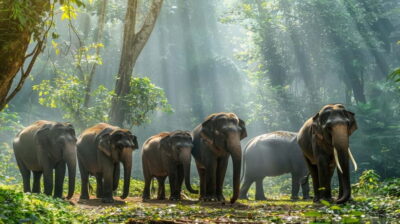
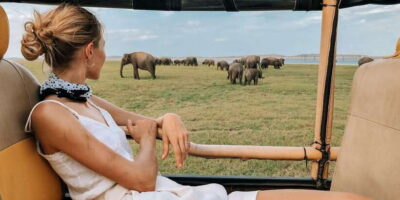
That timing is smart. Udawalawe often feels calmer than Yala’s early rush because you’re not trying to catch the first morning window. Instead, you’re working with a smaller amount of time but a big wildlife focus: elephants. The route is described as one of the best places to see a concentrated number of elephants, and you’re also told to look for spotted deer, jackals, wild boar, wild buffalo, crocodiles, and other animals.
I like this structure because it gives you a second chance at elephants even if Yala is quieter on cats. If you’re traveling with family, it can also be a good rhythm change: by late afternoon, many people feel less rushed and more content with slower sightings and wide views.
One thing to remember is that you’re in the jeep during the park’s active viewing hours. That means you’ll want patience. Crocodiles may be easier in the right water areas, while jackals and deer often show up near edges. The guide’s navigation and the driver’s ability to position the jeep without scaring animals makes a real difference.
Also, because you’re only in the park until closing, you shouldn’t expect long drives forever. You’re looking for “what’s happening now,” and your guide should be prioritizing current sightings, not just chasing a perfect checklist.
Comfort, Guide Quality, and How Jeep Driving Changes Your Day
This tour uses an air-conditioned vehicle for transfers, and it includes a professional driver and guide. That matters more than you might think. A safari day isn’t just about the park, it’s also about the hours between them. Heat and fatigue can flatten the whole experience, especially when you’re bouncing from pickup to sunrise and then back again.
Guide quality is the multiplier. In the set of guide names tied to good days, Ishan, Dylan, Tikiri, and Yashara show up as strong examples. The common thread in positive experiences is simple: they drive well, they know where to stop, and they help you see animals from the right angle. Some people also mention being able to request closer looks when something interesting appears.
You’ll also want to manage expectations around leopards and the social side of safari viewing. When an animal is spotted, other jeeps may move in. If you’re sensitive to crowd energy, treat the jeep moments like a live feed from the wild: fast, temporary, and sometimes chaotic, even when everyone is trying to do the right thing.
If you get a guide who understands this, you’ll feel like the day is under control. If you get one who seems pressured to produce a specific sighting, the experience can feel less relaxed. That’s exactly why having a guide who can talk, interpret the terrain, and adjust when sightings change is so important.
Price and Entrance Fees: Is $93 Good Value?
The listed price is $93 per person, and it includes hotel pickup and drop-off in the Tangalle, Hiriketiya, and Hambantota areas, transportation in an air-conditioned vehicle, jeep safari at both Yala and Udawalawe, Elephant Transit Home visit, a professional driver/guide, picnic lunch, bottled water, and soft drinks.
So where does the money go? Mostly into two expensive parts:
- Jeep safari time in two parks
- A full-day private guiding and transport schedule that links everything together
The part that can change your total is entrances. Entrance and service fees for Yala National Park are listed at 13,000 Sri Lankan rupees per person (about 40 USD), and Udawalawe’s entrance fees are also not included. That means your final cost can land significantly above the $93 baseline.
Still, I think it can be good value if you want the “two parks in one day” payoff without doing separate booking logistics. If you’d rather focus deeply on only one park, then a two-day strategy might feel more relaxed. But if your schedule is tight and you want to maximize your safari coverage, the structure is built for that.
Also, keep your timing flexible if possible. The booking conditions include free cancellation up to 24 hours in advance and a reserve now pay later option. For a safari day, that flexibility is genuinely useful because wildlife and routing are always influenced by conditions on the ground.
Who This Safari Day Trip Suits Best, and Who Might Rethink It
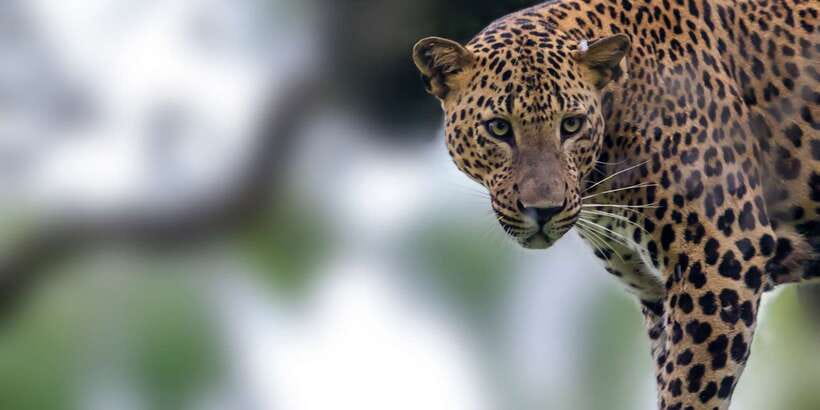
This is best for you if you want a one-day safari program that covers both Yala and Udawalawe, you like jeep driving and frequent sightings, and you’re okay with a packed schedule. If you’re staying around Tangalle, Hiriketiya, or Hambantota, the pickup and drop-off convenience removes a lot of friction.
It also suits wildlife lovers who enjoy variety. Yala brings birds and a broad mammal mix, while Udawalawe leans hard into elephants in a shorter afternoon window. Add the Elephant Transit Home feeding time, and you get both wild park sightings and an up-close elephant calf experience.
I’d rethink it if:
- You are strongly uncomfortable with animal handling methods at the transit home. The concern about staff using a stick during feeding time is real, and it’s the kind of thing that can spoil the mood.
- You don’t like crowded safari moments. If leopard sightings lead to a lot of jeep convergence, it can feel stressful.
- You want a slower pace with time for more stops, longer browsing, and less schedule pressure. This is a long day by design.
Should you book this Tangalle to Yala and Udawalawe safari?

If you want maximum wildlife coverage with minimal planning, I’d say yes, with two caveats. First, budget for entrance fees on top of the base price, since they are not included. Second, go into the Elephant Transit Home stop knowing it can be emotionally hard, especially around feeding time and the way staff interact during the scene.
What I like most is the “two-park strategy.” It increases your odds of seeing multiple elephant groups and other wildlife, even if one park is quieter at any specific moment. The included picnic lunch, bottled water, and AC transport help keep the day workable. And when the guide is good, the whole route clicks: you get explanations, smart positioning, and a smoother safari rhythm.
If you’re short on time in southern Sri Lanka, or you’re basing yourself near Tangalle and want one organized day that hits Yala and Udawalawe, this is the kind of trip that can deliver exactly that.
FAQ
What areas are picked up for this safari day trip?
Pickup and drop-off are available from the Tangalle, Hiriketiya, and Hambantota areas.
How long is the tour?
The duration is listed as 14 hours.
Which parks are included?
The tour includes jeep safari time in both Yala National Park and Udawalawe National Park, plus a visit to the Elephant Transit Home.
Is the picnic lunch included?
Yes. A picnic lunch is included, along with bottled water and soft drinks.
Are park entrance fees included in the price?
No. Entrance and service fees for Yala National Park and Udawalawe National Park are not included.
What time does the Udawalawe safari run?
You’ll have access to explore Udawalawe from about 3 PM until sunset, and the park closes at 6 PM.
Is the tour guide available in English?
Yes. The live tour guide is listed as English.
More Safaris from Udawalawe
- Ella: Shuttle to Tangalle/Mirissa/Galle w Udawalawe Safari
★ 4.9 · 166 reviews - Udawalawa National Park Safari Tour with Experienced Guides
★ 4.8 · 122 reviews - Udawalawe National Park Entrance Ticket with Private Safari
★ 5.0 · 115 reviews - Hikkaduwa/Galle/Weligama/Mirissa/Tangalle: Udawalawa Safari
★ 4.8 · 114 reviews
Recent additions in Udawalawe
- Value Tour: One Day Safari Trip to Yala & Udawalawe w/ Lunch★ 4.8 · 13 reviews
- Udawalawe : Udawalawa National Park Half day Safari Tour★ 5.0 · 3 reviews
- Udawalawe National Park Safari Tour★ 4.7 · 3 reviews
- Udawalawe Safari Tour from Tissamaharama/Yala/Hambantota★ 5.0 · 5 reviews
- Udawalawe Safari Day Tour From Bentota/Aluthgama/Ahungalla★ 5.0 · 3 reviews
- Udawalawe National park with Safari jeep & Entrance ticket★ 3.5 · 4 reviews
- Udawalawe National Park: Safari with Experienced Driver★ 4.7 · 8 reviews
- Udawalawe National Park: 4-Hour Safari Tour★ 4.4 · 5 reviews
Yala National Park Safaris, compared.
Yala National Park Safari Tours: Morning/Evening/Full Day
Read our review →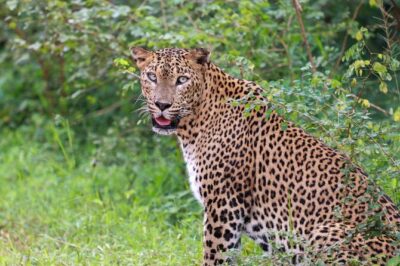
Full day Safari – Yala National Park – 04.30 am to 06.00 pm with – Janaka safari
Read our review →
Yala National Park: Morning or Afternoon Golden Hour Safari
Read our review →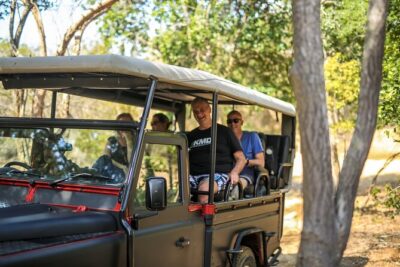
Yala National Park Wildlife Safari/ Game Drive – by Ajith Safari
Read our review →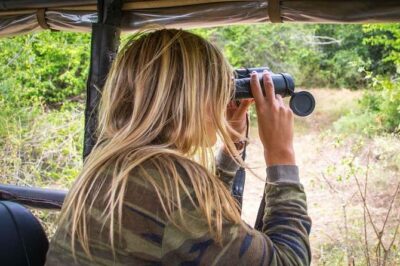
Hikkaduwa/Galle/Weligama/Mirissa/Tangalle: Yala Safari Tour
Read our review →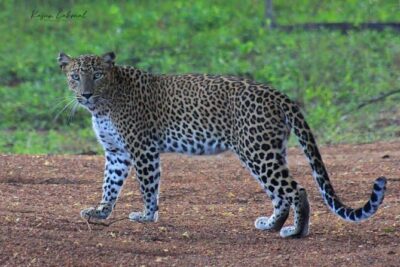
Full day / Half Day WildlifeAdventure in Yala-National-Park
Read our review →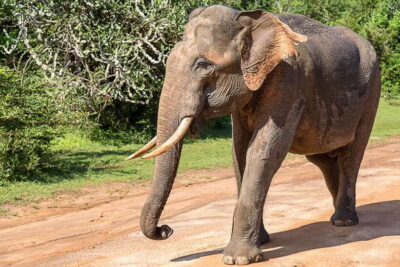
Galle/Mirissa/Tangalle: Transfer to Ella & Yala Safari
Read our review →Browse the lists this tour appears in