
Reviewed · HIKING & TREKKING
Night Hike to see Elusive & Rare Loris in Sigiriya
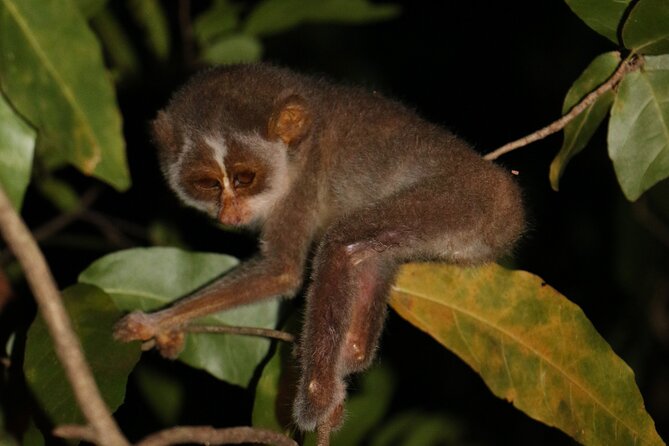
Loris hunting gets real in Sigiriya. This night hike in Pidurangala turns the jungle after dark into a guided, skill-based search for Sri Lanka’s tiny nocturnal stars. I love the small-group feel and how the guide helps you read what you are seeing, not just where to look.
You get a short, practical lead-in, then you head into the trees with the kind of quiet attention lorises require. The tour also has a standout value point, a 90% spotting success claim and a money-back guarantee if a loris is not found.
One thing to keep in mind is that it is still wildlife watching. Rain and a bright moon can push lorises deeper into the canopy, so you will want to go with flexible expectations about how close you will get.
In This Review
- Key things to know before you go
- Why Pidurangala at night is the real Sigiriya experience
- Getting started at Rocko’s Vegetarian Cafe (and why that matters)
- The pre-walk talk: how a loris search becomes easier
- Walking the jungle for lorises: pace, rules, and what it feels like
- Spotting lorises: how close you might get
- When rain hits (and what guides can do)
- The conservation angle: more than a box to check
- What you might see besides lorises (the best bonus type)
- Group size and guide style: why it feels personal
- Price value: is $64 per group up to 2 a smart deal?
- Timing tips: how to maximize your chances
- The itinerary in real life: what happens when
- Who this tour suits best
- Should you book the Sigiriya loris night hike to see lorises?
- FAQ
- Where does the night hike to see lorises start?
- How long is the experience?
- What is the group size?
- Do you need to bring special clothing?
- Is there a guide and what language do they speak?
- Are gear items provided for the night hike?
- What are the odds of seeing a loris?
- Is there a guarantee if you do not see a loris?
- What is the cancellation policy?
Key things to know before you go
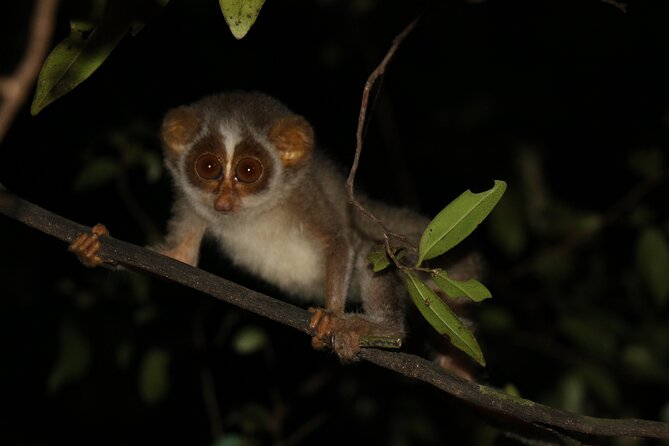
- Over 90% success rate for spotting lorises, plus a money-back guarantee if you do not see one
- Pidurangala jungle at night near Sigiriya, with an intentionally small group (max 8)
- English naturalist-led experience that includes a pre-walk explanation and on-trail guidance
- Gear support so you are not scrambling in the dark, plus clear clothing rules
- Ethical conservation angle, with funds tied to habitat protection based on how the program is described
- Other nocturnal surprises can show up too, like insects, geckos, and sleepy daytime look-alikes in the night
Why Pidurangala at night is the real Sigiriya experience
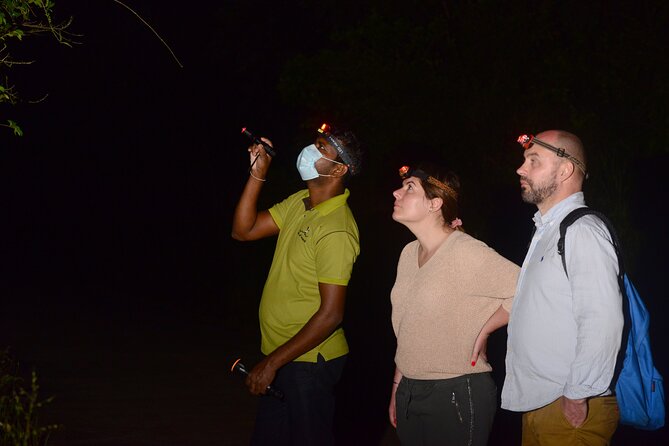
Most people visit Sigiriya during the day, and they spend most of their time looking up. This tour flips that. You spend the night looking at the forest the way lorises experience it, through movement, shadows, and stillness.
I like that it is not just a walk with a flashlight. The experience is built around a specific target: rare, nocturnal lorises. That focus changes everything. You slow down, learn what to notice, and you stop thinking of the hike as a sightseeing sprint.
Pidurangala also feels more “out there” than the usual viewpoints. You are exploring the wild jungle around Sigiriya, and that matters because lorises live in the trees, not the open rocks.
More Hiking Trips in Sigiriya
- Sunrise or Sunset Hike Pidurangala Rock with Scenic Views
★ 4.6 · 125 reviews - Sigiriya Hike & Minneriya Safari Private Full Day Tour
★ 5.0 · 56 reviews - Sigiriya Lion Rock Hike & Minneriya National Park Safari
★ 4.8 · 55 reviews
Getting started at Rocko’s Vegetarian Cafe (and why that matters)
Your meeting point is ROCKO’S Vegetarian Cafe in Pidurangala. That is helpful because it gives you a clear, easy target before the night hike begins, and it also places you close to where the walking starts.
Once you’re gathered, expect a guided setup before you head into the dark. In past walks, guides have also provided head lamps, which is a big deal for comfort and safety at night. It means you can focus on the forest instead of digging around for the right gear in your bag.
The session is short, listed at 1.5 hours, and the walking time feels like part of that block, not the whole thing. That makes it a good add-on if you want a night activity without losing your next morning.
The pre-walk talk: how a loris search becomes easier
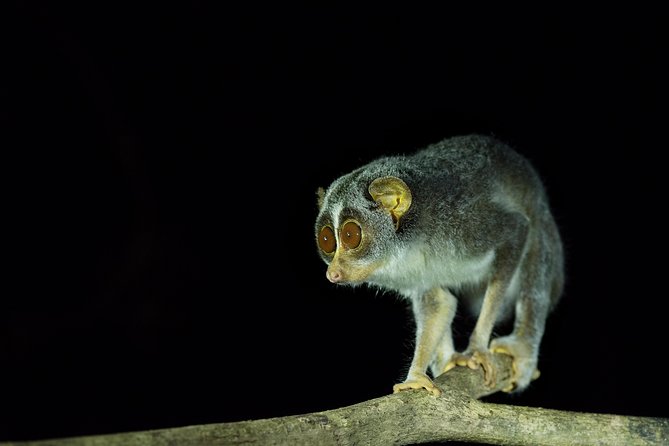
A big reason this tour earns strong reviews is what happens right before you enter the jungle. You get an explanation about lorises and the broader idea of protecting them and their habitat. This is not abstract conservation talk. It is tied to what you are about to do.
From the experience descriptions, the guide’s approach is practical: learn what a loris is, when it tends to be active, and how the forest changes after dark. That matters because you will often see more when you understand why you are waiting.
You also learn how to “read” the night. When the guide points, it usually comes with context, like what the animal is doing in the trees and how their behavior affects your chances of seeing them. That is why the hunt feels productive even when you are not getting constant sightings.
Walking the jungle for lorises: pace, rules, and what it feels like
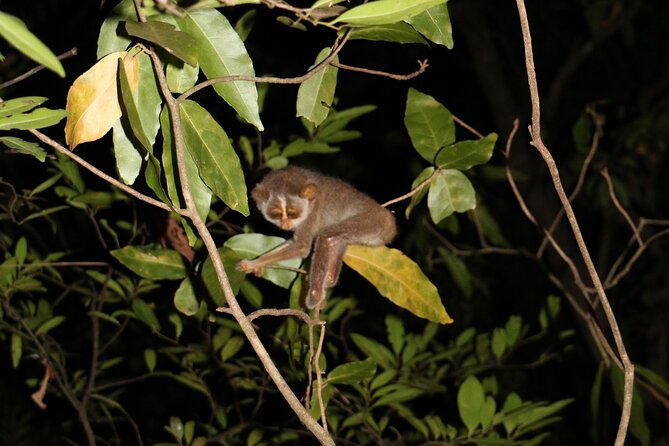
The hike takes place in the jungle around Pidurangala near Sigiriya. Based on how the experience is described, you should expect a guided search with regular stops for scanning the trees.
Pace is controlled. Past guests have mentioned it is a not-too-long walk, often around an hour of hiking depending on conditions. With a small group, you can keep moving without everyone spilling across the trail or shining light everywhere.
What I appreciate is the tour’s focus on proper night hiking basics. The provided guidance is simple and specific:
- Wear long pants and a long-sleeved shirt
- Use closed-toe shoes
These rules are about keeping you comfortable in dense jungle areas and reducing the risk of minor scrapes or bites.
Also, keep in mind this is a sighting-based experience. You might walk quietly for a while with only sounds and insects, then suddenly the guide finds a loris right where you are looking. That pattern is exactly what makes the night feel magical, and it is also why patience counts.
More Sigiriya bookings:
- From Colombo: Sigiriya and Dambulla Day Trip with Safari
★ 4.7 · 842 reviews - From Kandy: Sigiriya Rock & Dambulla Cave Temple Adventure
★ 4.9 · 785 reviews - Organic cooking class sigiriya (kumara & family)
★ 5.0 · 650 reviews - From Sigiriya: Minneriya National Park Private Jeep Safari
★ 4.9 · 415 reviews
Spotting lorises: how close you might get
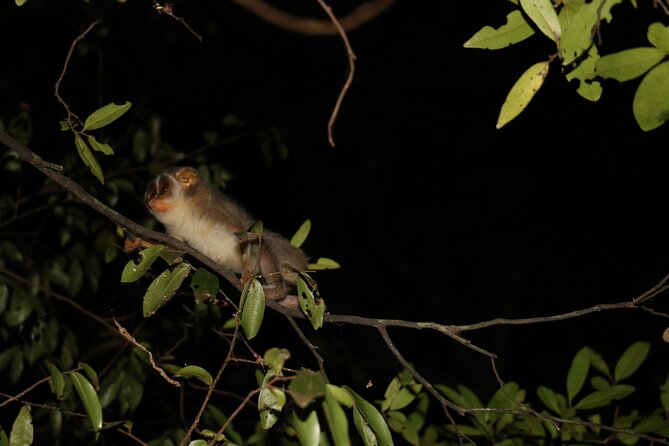
The tour’s headline claim is strong: over 90% success rate of spotting lorises. In real-world terms, that usually means you are not signing up for a lottery ticket and walking away empty-handed too often.
Many people describe multiple lorises during their hike, including cases where they saw several and at least one very close sighting. One review even mentions a loris found off the road, suggesting the guides pay attention to welfare issues when animals get separated from their normal tree paths.
Still, remember the reality of nocturnal wildlife. Even with a high success rate, lorises may be:
- tucked deeper in the canopy,
- more hidden during rain,
- harder to spot when light conditions change.
One guest specifically noted that a full moon can be harder for spotting, because lorises may hide deeper when they can see better than you can. That is the kind of useful detail that can help you set expectations.
When rain hits (and what guides can do)
Sri Lanka nights can shift fast, and this tour is designed for that. One guest described a delay due to rain and elephants on the road, and the guide still worked to make it happen, even arranging an additional tour when schedules changed.
Rain can also change where animals choose to stay. If it is pouring, lorises may tuck away and stay still, and the guide might take a pause or change the search approach until conditions improve.
So here’s the practical takeaway: do not treat weather as a reason to lose hope. In this kind of night search, your best move is to show up dressed correctly, stay patient, and let the guide manage the timing.
The conservation angle: more than a box to check
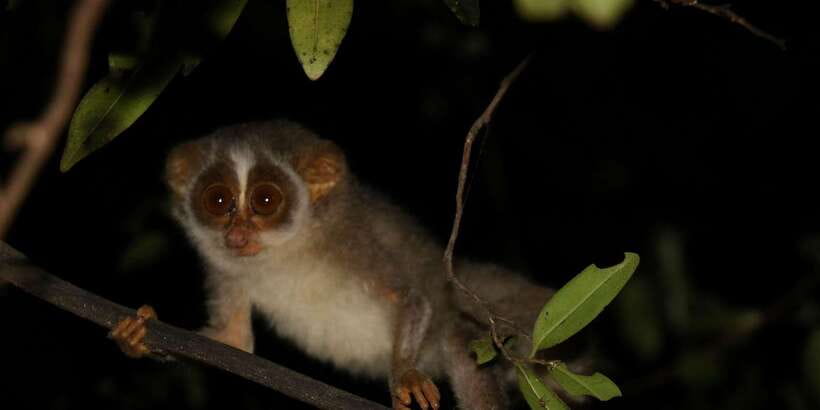
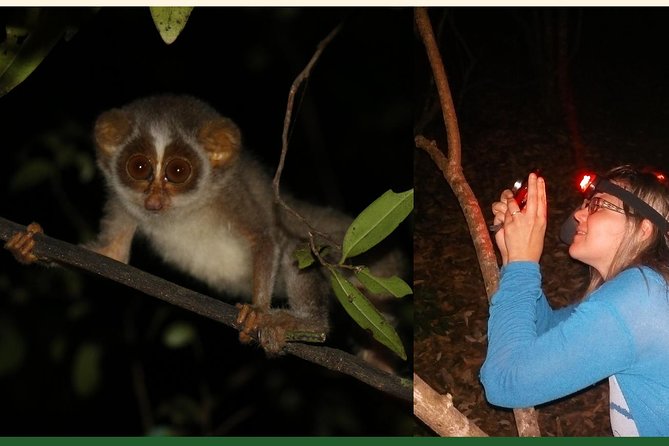
This is where the reviews get interesting. People repeatedly describe the organization behind the tour as conservation-minded, not just a ticket seller. They mention things like a short presentation on what they do to protect lorises and their habitat, and they describe a sense that the money goes toward the cause.
I like this because it changes the tone of the evening. You are not just collecting photos. You are learning why the search matters, and you are doing it with respect for the animals and their space.
Also, the program offers a money-back guarantee if you do not spot a loris. That is not the same as guaranteeing a perfect night, but it does signal that they are confident in their ability to find lorises and that they are willing to stand behind the experience.
What you might see besides lorises (the best bonus type)
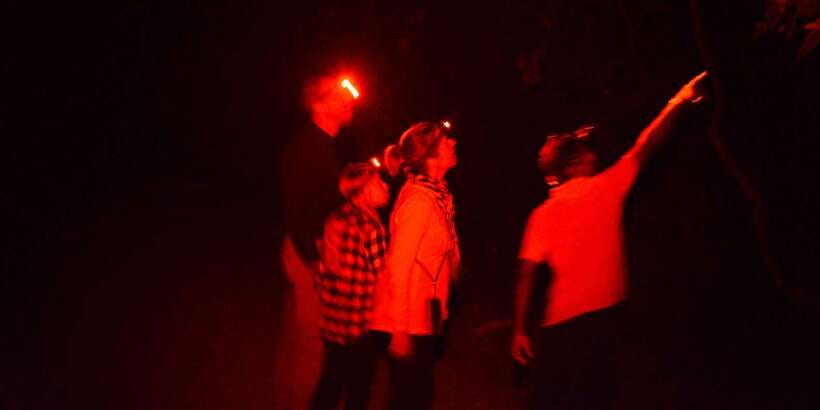
Even though lorises are the target, this hike can turn into a broader nocturnal wildlife experience. Past guests have reported other night wildlife and night signals, including:
- sleepy birds,
- bioluminescent insects,
- a kangaroo lizard hanging asleep on a branch,
- geckos,
- and even mouse deer (including a baby mouse deer in one account).
That bonus matters because it makes the night feel like a living ecosystem, not a one-species hunt. If you are the type who enjoys nature details, this tour can give you plenty to talk about after you return to Sigiriya.
And if you only see lorises, that is still the main point. But knowing that the guide’s eyes are scanning for multiple kinds of nocturnal life helps you enjoy the slower moments.
Group size and guide style: why it feels personal
This experience runs with a small group limited to 8 participants. Many reviews mention having two guides on the walk, and in some cases, very small group sizes happened.
That kind of setup helps in two ways:
- It makes scanning the trees easier because you are not fighting for sightlines.
- It keeps the search quieter and more controlled, which is critical at night.
You also get a guided experience in English. That matters if you want to understand what you are seeing, not just watch someone point into the dark.
The other style element I’d highlight is how guided stops are handled. Instead of constant movement and flashing light, the night search is usually slow and thoughtful. That increases your odds and makes the whole thing feel respectful.
Price value: is $64 per group up to 2 a smart deal?
The price is listed as $64 per group up to 2, with a duration around 1.5 hours. On paper, it can look like a niche activity. In practice, the value is tied to four things you actually get:
- A high probability of seeing the target animal (90% success rate)
- A conservation-minded program with a presentation before the walk
- A guide-led night search in the trees, with gear support like head lamps
- The money-back guarantee if lorises are not found
If you split the cost with a friend or partner, it can feel like a bargain compared with long, all-day activities. If you are going solo, it might feel pricier, but you are paying for the guide’s time, the small group model, and the focused wildlife search.
One extra value point from reviews: people describe seeing multiple lorises, sometimes with a close sighting. That kind of result is rare in random night walks where you do not have a plan or a specialist guide.
Timing tips: how to maximize your chances
Based on review details, two factors can affect the odds and how close you get:
- Moon brightness: a full moon can push lorises deeper, making them harder to spot from the trail.
- Rain: heavy rain can reduce sightings, but if the weather improves, your chances can jump.
Because you cannot control weather, your best move is to build the night hike into a flexible part of your schedule, so you can go when conditions are reasonable. Also, if you have a choice between nights, think about moonlight. A darker night can help animals feel safer at the canopy level where the guide searches.
Regardless of the night, dress the way the tour requests: long sleeves, long pants, closed-toe shoes. That alone makes you more comfortable and better able to stand still when it counts.
The itinerary in real life: what happens when
You start at ROCKO’S Vegetarian Cafe in Pidurangala. Then you head into the area for the guided portion and the main walking time. The experience is described with a total duration of about 1.5 hours, though the walking block can vary based on the group and conditions.
What makes the flow work is that it mixes:
- a short explanation and preparation,
- a slow search period,
- then a return to the meeting spot.
So you do not feel like you are spending a half day on logistics. You are spending the time where it matters, in the jungle at the hours when lorises are active.
Who this tour suits best
This tour is a great fit if you:
- want a wildlife experience that is actually guided and targeted,
- enjoy nocturnal nature and can appreciate patient waiting,
- care about ethical wildlife behavior and habitat support,
- and you like small-group experiences over big bus energy.
It may not be ideal if you hate uncertainty. You are going at night for elusive animals. Even with a high success rate, sightings are never a factory output.
Should you book the Sigiriya loris night hike to see lorises?
Yes, I’d book it if you want the most “Sigiriya-adjacent” experience possible, the one that uses the jungle at the right hour instead of just the rocks in daylight. The small group, naturalist-led search, head lamp support, and the 90% success rate plus money-back guarantee give you more confidence than most niche night tours.
Book it especially if your goal is not just photos, but understanding why lorises are so hard to find and how guides help you see them without disturbing them. If you are flexible on weather and okay with the occasional slow wait in the dark, this can be the standout evening in your Sigiriya stay.
FAQ
Where does the night hike to see lorises start?
It starts at ROCKO’S Vegetarian Cafe in Pidurangala.
How long is the experience?
The tour duration is listed as 1.5 hours.
What is the group size?
The group is small, limited to 8 participants.
Do you need to bring special clothing?
Yes. The tour advises long-sleeved shirts, long pants, and closed-toe shoes.
Is there a guide and what language do they speak?
Yes. There is a live tour guide, and the tour is in English.
Are gear items provided for the night hike?
Yes, the tour includes necessary gear, and in past walks head lamps were provided.
What are the odds of seeing a loris?
The experience is described as having an over 90% success rate for spotting lorises.
Is there a guarantee if you do not see a loris?
Yes. There is a money-back guarantee if the tour does not spot a loris.
What is the cancellation policy?
Free cancellation is available up to 24 hours in advance for a full refund.
More Hiking & Trekking in Sigiriya
- Night Hike to see Elusive & Rare Loris in Sigiriya
★ 4.5 · 43 reviews - Sigiriya Rock Hike & Minneriya Elephant Safari – Day Tour
★ 4.3 · 15 reviews - Sigiriya: Sigiriya or Pidurangala Sunrise/Sunset Hike
★ 5.0 · 5 reviews - Guided Hike & Picnic with an Amazing View on Pidurangala Rock
★ 5.0 · 4 reviews
Recent additions in Sigiriya
- Wilpattu: Jeep Safari Day Tour From Sigiriya or Dambulla★ 4.2 · 7 reviews
- Adventure trincomalee to sigiriya and wild safari ,village tour★ 5.0 · 5 reviews
- Night Hike to see Elusive & Rare Loris in Sigiriya★ 4.5 · 43 reviews
- Sigiriya Cycle Tour: Explore Village Life in Sigiriya & Enjoy a Village Lunch★ 5.0 · 3 reviews
- Malee Cookery Lessons★ 5.0 · 26 reviews
- Private Polonnaruwa Sightseeing Day Tour from Sigiriya★ 5.0 · 31 reviews
- Sigiriya Rock Climb, Village Tour+Cooking Class & Elephant Safari★ 5.0 · 9 reviews
- Sigiriya Entrance Ticket with Guided Tour★ 4.5 · 13 reviews
Hiking & Trekking, compared.
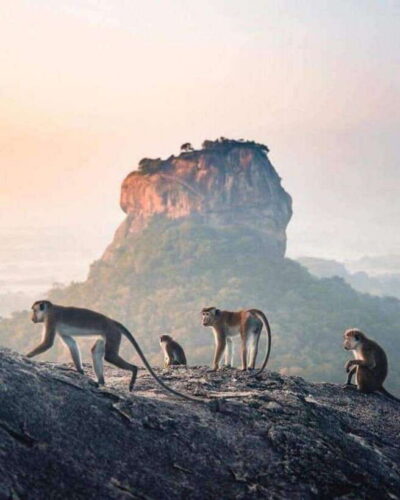
Sunrise or Sunset Hike Pidurangala Rock with Scenic Views
Read our review →

Sigiriya Hike & Minneriya Safari Private Full Day Tour
Read our review →
Sigiriya Lion Rock Hike & Minneriya National Park Safari
Read our review →
Ella Rock Hiking Tours ( sunrise-tour ,good morning tour,sunny afternoon tour )
Read our review →
Tuk-Tuk Safari Liptons seat,Tea Fields Hike,TeaFactory Tour
Read our review →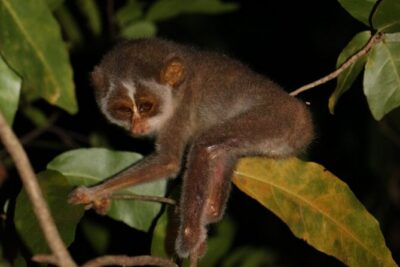
Night Hike to see Elusive & Rare Loris in Sigiriya
Read our review →
Browse the lists this tour appears in