
Reviewed · SIGIRIYA TOURS
Loris Watching from Sigiriya
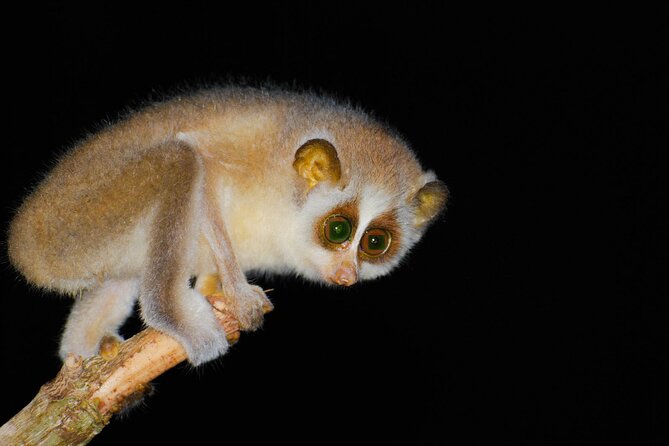
Eyeshine in the jungle, no rush. This private, naturalist-led half-day from Sigiriya is built for one thing: finding Sri Lanka’s nocturnal slender loris in Sam Popham’s Arboretum. You get hands-on guidance so the whole outing feels calm, focused, and actually useful once darkness falls.
I particularly like the way the search is handled, with torches using red light first and switching to white light only when there is a clear sighting. Second, I like that you are not stuck in a fast-moving group, so your guide can slow down, explain, and adapt as animals respond to the night’s conditions.
One thing to consider is that this is a real night walk. You should be comfortable with a moderate physical fitness level, and the experience depends on good weather since rain can change visibility and trail conditions.
In This Review
- Key highlights to know before you go
- Sam Popham’s Arboretum near Sigiriya: why this night hike works
- The 6:30 pm start: the timing that helps your chances
- How the red-light loris search actually goes (and why it matters)
- What happens on the night walk: your realistic expectations
- Comfort and logistics from Sigiriya: getting there without the headache
- Price and value: is $75 per person worth it?
- Who should book this loris-watching excursion?
- Small animals, big-eyed drama: what to look for
- When to book and what weather means for your plans
- Should you book Loris Watching from Sigiriya?
- FAQ
- What time does the loris watching tour start?
- How long is the experience?
- Is this a private tour?
- What is included in the ticket price?
- Do I get hotel pickup and drop-off?
- What should I bring or expect physically?
- What happens if the weather is bad?
Key highlights to know before you go
- Red-light scanning first, white-light only after a confirmed loris sighting
- Private half-day timing starting at 6:30 pm, when nocturnal animals are most active
- Sam Popham’s Arboretum sanctuary, created from a British naval officer’s tree passion
- Naturalist commentary tailored to what your guide finds and where
- Wildlife options beyond loris, like mouse deer, civet cats, and rabbits, depending on the night
Sam Popham’s Arboretum near Sigiriya: why this night hike works
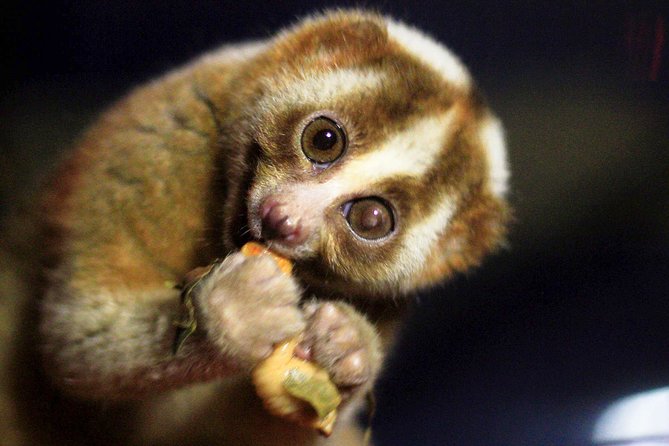
This tour is interesting because it is not a generic wildlife walk. It is designed around a specific quarry, the slender loris, a slow-moving, forest-dwelling animal that is active at night and easy to miss if you do not know what you are looking for.
Sam Popham’s Arboretum itself is part of the appeal. A British naval officer created the arboretum decades ago as a living collection of trees. It started as about seven acres, then grew to over 34 acres after it was gifted to the Institute of Fundamental Studies (IFS). That growth matters. More habitat means more chances for the birds, butterflies, dragonflies, and mammals that call the place home.
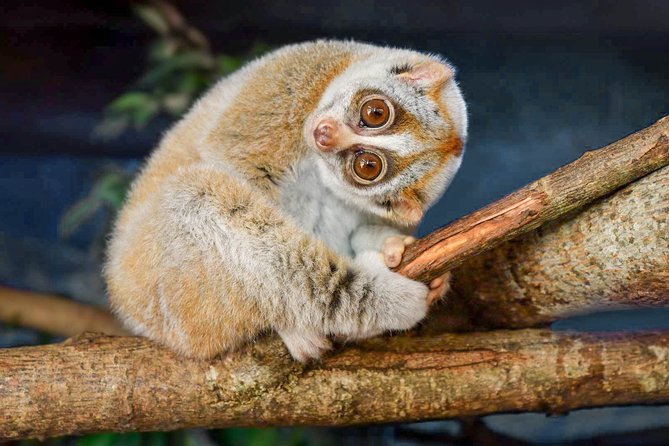
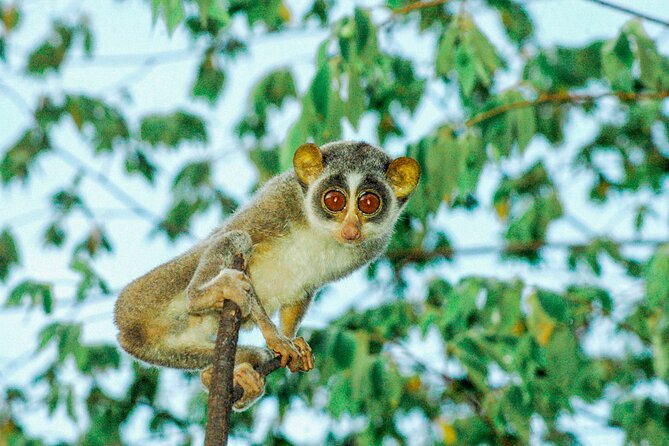
And yes, the loris is the headline. You are looking for a species that is native to Sri Lanka and India, and is known for its big, round eyes that reflect light. In other words, this is a night activity that is built for the eyeshine effect, not just for seeing shapes in the dark.
What I like most is how the focus stays on the animals and the habitat, not on ticking boxes. You are also in an area where your guide is used to reading the forest at night, which is the difference between stumbling around and actually getting results.
More Sigiriya bookings:
- From Colombo: Sigiriya and Dambulla Day Trip with Safari
★ 4.7 · 842 reviews - From Kandy: Sigiriya Rock & Dambulla Cave Temple Adventure
★ 4.9 · 785 reviews - Organic cooking class sigiriya (kumara & family)
★ 5.0 · 650 reviews
The 6:30 pm start: the timing that helps your chances
This tour begins at 6:30 pm and runs about 3 hours. That timing is a big deal. Nocturnal mammals like lorises do not wait politely for daylight. Starting in the evening gives you a window when darkness is settling in and the forest begins to show you its nighttime behavior.
A practical note: the “half-day” feel can fool you. You still want to be mentally ready for night conditions. Trails can feel different after sunset, and your senses take a moment to adjust. Bring that patience. Night wildlife watching is more about noticing small changes than finding a big spectacle instantly.
Also, this is a private tour, so your guide does not have to keep to a rigid group pace. That flexibility can help if your guide calls off a route due to weather, or if they decide to linger because the forest is giving you good signals.
How the red-light loris search actually goes (and why it matters)
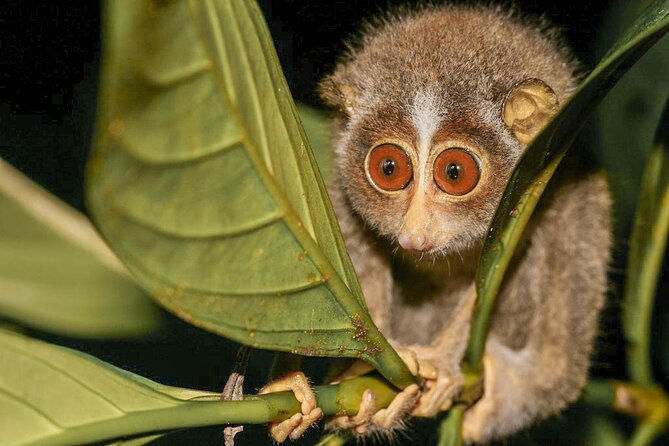
The key technique here is the light plan. Your guide uses torches with relatively less obtrusive red lights to scan for loris eyes, then switches to white lights only when they spot one. That approach matters for animal comfort and for your viewing.
Red light is less harsh than standard white light. It tends to keep the night feel intact for both you and the animals. It also helps your eyes stay adjusted enough to notice the reflective eye-shine when it appears.
Once a loris is seen, the switch to white light is purposeful. It is there to help confirm the sighting and let you see details clearly, without blasting the forest continuously.
You can also think of this as a guided “spotting skill” lesson. Even if you do not catch lorises every single minute, you learn how to look in the dark: the slow movement, the stillness, and the way eyes reflect when something is watching from the trees.
Besides lorises, this kind of forest scanning can turn up other animals too. Based on the tour’s nature-hike focus, you might see things like mouse deer, civet cats, or rabbits. Some nights are simply better than others, but the method gives you a fair shot.
What happens on the night walk: your realistic expectations
You should expect a naturalist-led hike through Sam Popham’s Arboretum at night, with commentary designed to make what you are seeing more meaningful. Your guide is familiar with the reserve and its patterns, which is why they can move efficiently while still keeping things unhurried.
The route itself is not described in step-by-step checkpoints, so think of it as a guided forest walk with animal-focused stops. The guide may pause frequently. That is not wasted time. It is how spotting works. In thick vegetation, the animal that matters often reveals itself only when you slow down enough to notice the tiniest cues.
Here is what you will likely notice as the walk progresses:
- The guide’s attention shifts fast when something reflective shows up.
- The group stays quiet and still enough to avoid spooking animals.
- Your view improves when the guide changes light strategy, not just when you walk faster.
There is also a nice bonus to this style of outing: wildlife photographers can often get better shots by timing their camera settings to the guide’s light shifts. One wildlife photographer noted using the opportunity for photography, and you can tell the tour is built with wildlife viewing in mind rather than just scenery.
If your focus is animals, you will probably enjoy the “wait and watch” rhythm. If your focus is constant action, you might find it slower than a typical sightseeing walk. That trade-off is normal for nocturnal wildlife.
Within the same drive of Sigiriya, but a different sort of day:
- From Sigiriya: Minneriya National Park Private Jeep Safari
★ 4.9 · 415 reviews - From Sigiriya: Minneriya National Park Elephant Safari
★ 4.8 · 365 reviews - Private Jeep Safari at Minneriya National Park to Visit Elephants
★ 5.0 · 338 reviews - Day tour to Sigiriya & Dambulla from Kandy
★ 5.0 · 252 reviews
Comfort and logistics from Sigiriya: getting there without the headache
This experience is built around comfortable transfers with pickup and drop-off from select hotels. At the same time, the pricing details call out that hotel pickup and drop are not listed under included items. So the best advice is simple: confirm what applies to your hotel when you book.
Either way, the intent is clear. You are meant to spend your energy on wildlife, not on arranging rides in the dark.
In one firsthand account, the driver was right on time, and the transfer felt thoughtfully handled for comfort during the trip. That is exactly what you want for a night outing. You do not want stress added to an experience that already asks you to be patient and alert.
For planning, keep these points in mind:
- You should be ready for evening start timing, so aim to be at pickup well ahead.
- Wear closed shoes with decent grip.
- Expect cooler evening air than you might get in the middle of the day, especially when you are standing still during scanning.
One small but helpful tip: bring a light layer. Even if Sigiriya is warm, night forest air can feel cooler, and the scanning part can involve standing still for stretches.
Price and value: is $75 per person worth it?
At $75 per person, this is not the cheapest thing in the Sigiriya area. But it can be good value depending on what you want.
You are paying for three big components:
- A private naturalist-led night hike
- Entrance tickets to the protected nature reserve
- Specialist help finding and identifying wildlife, including using a red-light scanning method
For wildlife lovers, the value often comes from the specialist angle. A lot of tours give you access. This one aims to give you results by teaching you how to look and by managing light carefully. If you have ever tried to watch lorises on your own, you know how hard that is without a guide who understands the reserve and the animal’s behavior.
If you are traveling solo, you may feel the cost more. If you are traveling with someone else, a private format can start to feel more reasonable because you are not splitting a group experience into multiple separate people waiting for the same guide.
Also, remember the outcome depends on wildlife activity and conditions. Even with good planning, nature sets the pace. Still, the method and expertise are the value. You are booking the process, not a guaranteed moment.
Who should book this loris-watching excursion?
This tour is a strong match if you want:
- Nocturnal wildlife with a serious guide, not a quick photo stop
- A quieter, private experience that lets your guide tailor the walk
- Better odds through a scanning approach that uses red light thoughtfully
You will especially like it if you care about mammals and animal behavior. Even people who are more into birds or insects often enjoy this kind of reserve walk, because the same habitat supports more than one group of wildlife.
It may be less of a match if you:
- Want constant action and movement
- Dislike night walks or standing still in darkness
- Have very limited mobility, since you should come with at least moderate physical fitness
If you are a hobby wildlife photographer, you can also appreciate the practical light strategy. Your shots improve when lighting is deliberate, not random.
And if you are traveling as a family, it can work well too. One parent and child duo booked because they love wildlife, and the outing felt more extensive than expected. That is a good sign if your group likes to ask questions and slow down to learn.
Small animals, big-eyed drama: what to look for
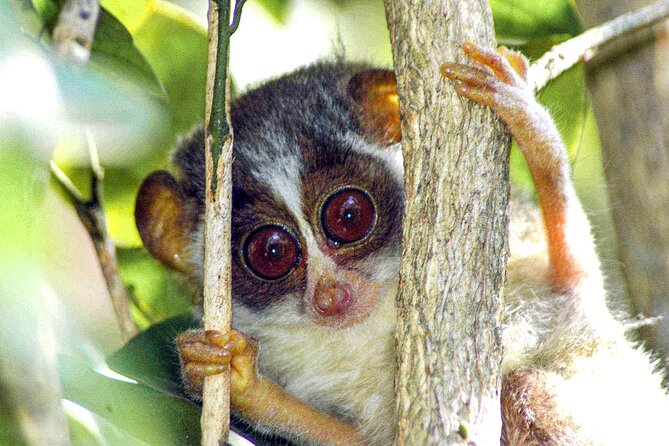
When you are hunting loris eyes, your brain needs to switch from daytime searching to nighttime patience.
Watch for:
- Slow movement in the trees, or a sudden stillness
- Eye reflections that appear, then vanish when the animal stops reacting
- Body shape that fits the habitat, slender and partially hidden in branches
The loris itself can be easy to miss because it blends into the forest and stays relatively still. That is why the guide’s method matters. The guide is actively scanning for the cues that most people would overlook.
Also, keep expectations balanced. Your primary target is loris. But it is still a natural reserve walk. Depending on the night, you may see other mammals and smaller wildlife. Even if the loris sighting is brief, the guidance and the scanning skills usually make the experience feel worthwhile.
When to book and what weather means for your plans
The tour is scheduled to start at 6:30 pm, so you are planning around evening conditions. The experience requires good weather, and if it is canceled due to poor weather, you get offered a different date or a full refund.
That is important because night wildlife watching can get sloppy in rain or heavy cloud cover. Even if animals are present, visibility, safety on trails, and the ability to use light without creating glare all change when weather turns.
You do not need to overthink it, just plan to be flexible. If your schedule is tight, this is where booking sooner can help. The average booking window is about 43 days in advance, which suggests this is a popular activity during peak periods.
Should you book Loris Watching from Sigiriya?
Book this tour if you want a private, naturalist-led night walk focused on slender loris watching, with a smart red-light scanning approach and entrance access to Sam Popham’s Arboretum. It is well matched for people who like animals more than sightseeing checklists, and it is also a good choice if you value comfort and clear guidance at night.
Skip it, or at least think twice, if you are not comfortable with a real night hike, or if you hate waiting in the dark hoping for something to move. Nocturnal wildlife is never fully predictable, but this outing gives you the best tools you can reasonably ask for.
If your trip to Sigiriya is built around nature and wildlife, this one deserves a spot.
FAQ
What time does the loris watching tour start?
The tour starts at 6:30 pm.
How long is the experience?
It runs for about 3 hours.
Is this a private tour?
Yes. It is a private tour/activity, and only your group participates.
What is included in the ticket price?
Included items are a nature hike, the entrance ticket, and commentary and advice from an expert naturalist guide.
Do I get hotel pickup and drop-off?
Pickup is offered from select hotels, but hotel pickup and drop are also listed as not included. Confirm what your exact booking includes based on your hotel.
What should I bring or expect physically?
You should have a moderate physical fitness level since it is a nature hike.
What happens if the weather is bad?
The experience requires good weather. If it is canceled due to poor weather, you will be offered a different date or a full refund.
Recent additions in Sigiriya
- Wilpattu: Jeep Safari Day Tour From Sigiriya or Dambulla★ 4.2 · 7 reviews
- Adventure trincomalee to sigiriya and wild safari ,village tour★ 5.0 · 5 reviews
- Night Hike to see Elusive & Rare Loris in Sigiriya★ 4.5 · 43 reviews
- Sigiriya Cycle Tour: Explore Village Life in Sigiriya & Enjoy a Village Lunch★ 5.0 · 3 reviews
- Malee Cookery Lessons★ 5.0 · 26 reviews
- Private Polonnaruwa Sightseeing Day Tour from Sigiriya★ 5.0 · 31 reviews
- Sigiriya Rock Climb, Village Tour+Cooking Class & Elephant Safari★ 5.0 · 9 reviews
- Sigiriya Entrance Ticket with Guided Tour★ 4.5 · 13 reviews
Sigiriya Tours, compared.

Organic cooking class sigiriya (kumara & family)
Read our review →
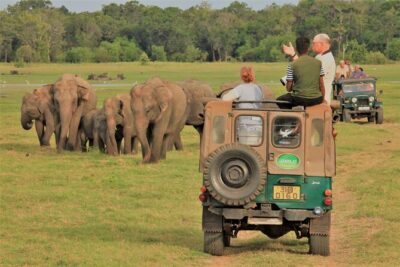
Private Jeep Safari at Minneriya National Park to Visit Elephants
Read our review →
Browse the lists this tour appears in