
Reviewed · NATIONAL PARKS
Kumana National Park Half Day Jeep Safari
Kumana National Park feels like another world at engine level. This half-day jeep safari runs from Arugam Bay so you do less logistics and more wildlife time, with a tight loop through a huge protected area. I love that the park is famous for bird watching, and I love that your outing also connects you to reptiles, turtles, and bigger mammals when conditions line up. One thing to consider: sightings are never guaranteed in the wild, so you should come for the experience, not a checklist.
The other smart part is how you can choose the timing, either early morning for cooler light or later for the heat of the day when animals may be moving. It also includes hotel pickup and drop-off, so you spend your energy on watching, not getting organized.
In This Review
- Quick takeaways for Kumana National Park Half Day Jeep Safari
- Kumana Safari from Arugam Bay, Why This Route Makes Sense
- Timing Your Jeep Safari: Morning Light vs Afternoon Heat
- Pickup, Private Vehicle, and How the Day Runs
- Entering Kumana National Park: What You’re Actually Looking For
- Bird Watching in the 200 Hectare Zone, Especially May and June
- Wildlife Chances Beyond Birds: Reptiles, Crocodiles, and Turtles
- The Big Mammal Odds: Elephants, Leopards, and Jackal
- What It Costs, and Whether It Is Good Value
- How to Prepare: Simple Safari Gear That Actually Helps
- Who This Safari Fits Best
- Final Call: Should You Book This Kumana Half Day Jeep Safari?
- FAQ
- Where does the Kumana National Park safari start and end?
- How long is the half-day jeep safari?
- Is hotel pickup included?
- Is this tour private?
- What wildlife and birds might I see?
- Is bird watching a main focus here?
- What is the cancellation policy?
Quick takeaways for Kumana National Park Half Day Jeep Safari
- Hotel pickup and drop-off from Arugam Bay, so the day stays simple
- 4 to 6 hours in the field, a good length for a half-day plan
- Bird watching hotspot: about 200 hectares set aside for birds in May and June
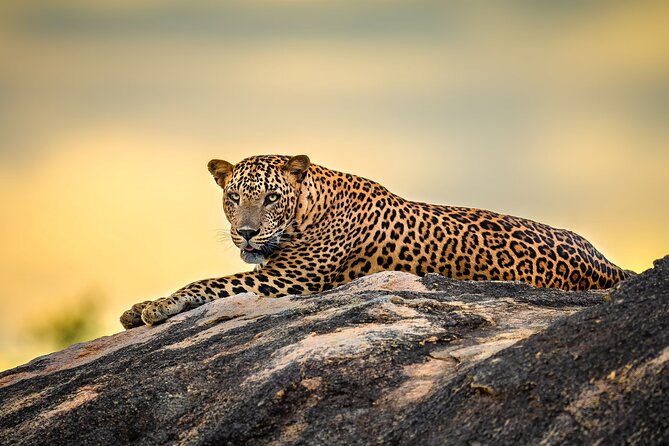
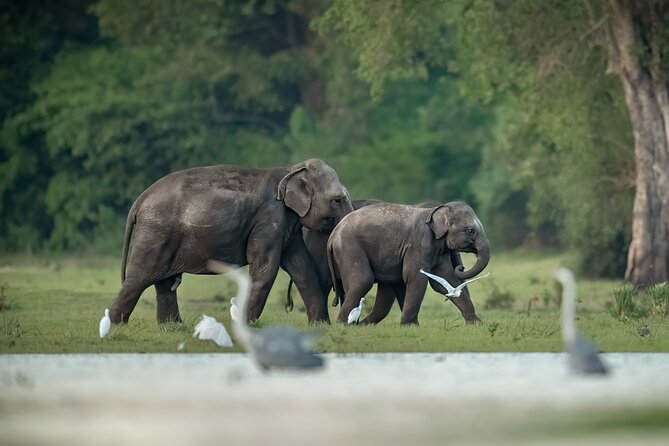
- A wildlife mix you might spot: elephants, leopards, crocodiles, turtles, plus many water birds
- A private tour setup, so only your group rides along
Kumana Safari from Arugam Bay, Why This Route Makes Sense
If you are basing yourself around Arugam Bay, Kumana is one of the easiest “big park” day trips you can do without feeling like you are spending the whole day in a vehicle. The safari is designed to start and end in the same place, with transport handled for you. That matters, because the best part of a jeep safari is the time you actually spend scanning the bush, not the time you waste trying to coordinate rides.
Kumana National Park is huge, covering about 35,664 hectares. That scale affects how your trip feels. Instead of a short drive to a single spot and then back, you are moving through a landscape where birds, reptiles, and larger animals can share space. Even if you do not see everything you hope for, the variety of habitats helps keep the safari interesting.
Another reason this works: it is built around two practical viewing windows. You can go during the morning sun outbreak period or during the peak afternoon heat. Those are not just phrases, they are a real strategy. Many animals and birds respond to light, temperature, and water availability, so timing affects what you notice.
More safaris from Sri Lanka:
- From Colombo: Sigiriya and Dambulla Day Trip with Safari
★ 4.7 · 842 reviews - Yala National Park Safari Tours: Morning/Evening/Full Day
★ 4.8 · 818 reviews - Udawalawe National Park: Elephant Safari with Expert Guide
★ 4.9 · 641 reviews
Timing Your Jeep Safari: Morning Light vs Afternoon Heat
Choosing between morning and afternoon is one of the most useful decisions you will make for Kumana. Morning usually gives you easier conditions to concentrate, and the light is often friendlier for spotting movement. Afternoon heat can sound uncomfortable, but it can also bring action. When the day warms up, animals may shift behavior, and birds near water edges may become easier to track when they move and call.
If you are the type who likes photo-friendly light and calmer weather, pick the morning option. If you are more focused on maximizing time in the park during active periods, choose the afternoon. Either way, your trip is half-day length, so you are not stuck out there until the evening.
What I like about this setup is that it gives you flexibility. Some days you feel fresh and want an early start. Other days you want a later plan after a slow breakfast and beach time. This tour lets you choose, and that makes it easier to fit into real vacation rhythm.
Pickup, Private Vehicle, and How the Day Runs
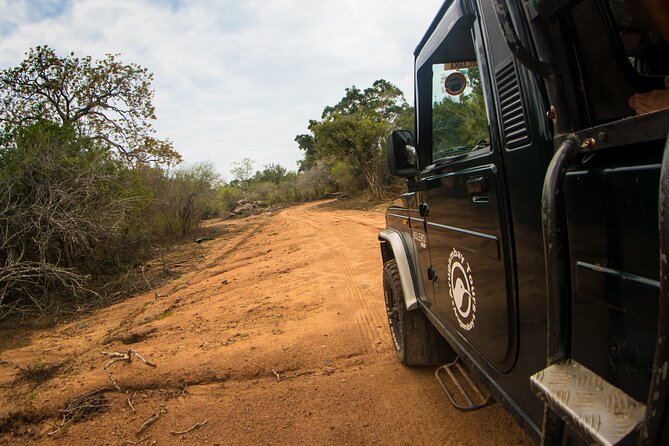
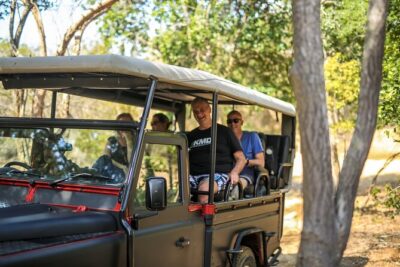
This is set up as a private tour/activity, meaning only your group participates. That usually improves the feel of a safari. You can ask questions, pause when you spot something, and keep the ride from becoming rushed. It also matters for families or small groups that want to manage their own pace.
The tour includes pickup offered from Arugam Bay and return drop-off back to the meeting point. That “round trip to your hotel zone” format is exactly what you want when wildlife is the point. You do not have to plan a meeting in a faraway area or worry about getting back after dark.
Duration is roughly 4 to 6 hours, and admission is included. In plain terms, you are paying for the safari experience, not just a drive. You should still treat it like a real outing. Bring what you need for time outdoors: water, sun protection, and something light to cover up during the hottest hours.
One more practical plus from local-style service: people praise the driver for being punctual and for taking time rather than rushing you through. For a safari, that is a big deal. A few minutes gained while you are spotting birds or waiting for movement can turn a “maybe” sighting into a real one.
Entering Kumana National Park: What You’re Actually Looking For
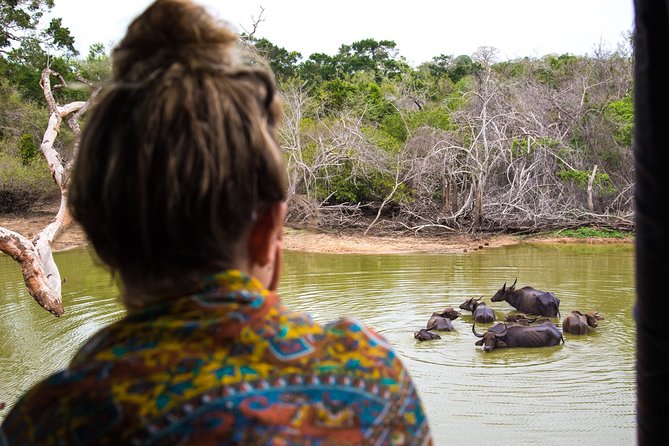
Once you are inside Kumana, the safari becomes a slow game of scanning. The park has a wildlife mix that spans birds, reptiles, and mammals. Your best job as a passenger is simple: keep your eyes moving, and let the driver’s route do the heavy lifting.
Here is what the outing is built around. You can have chances to see:
- Elephants
- Leopards
- Golden jackal
- Wild boars
- European otter
- Mugger crocodile
- Turtles and a range of water birds
It also includes birds you might recognize in a birding guide: pelicans, painted storks, purple heron, great egret, spoonbills, and several herons and ibis types. That list is long, which is good news. Even if one highlight does not show up, the next one might.
The reptiles and turtles angle is especially interesting because it changes how you interpret “wildlife” during the day. You are not only looking for the big, dramatic animals. You are also watching the park edges and water-linked areas where reptiles and turtles can appear. That broader approach makes the safari feel fuller, even on days when the larger mammals are quiet.
A few more Sri Lanka trips to line up
- Full day Safari – Yala National Park – 04.30 am to 06.00 pm with – Janaka safari
★ 5.0 · 603 reviews - Yala National Park: Morning or Afternoon Golden Hour Safari
★ 4.2 · 473 reviews - From Sigiriya: Minneriya National Park Private Jeep Safari
★ 4.9 · 415 reviews - From Sigiriya: Minneriya National Park Elephant Safari
★ 4.8 · 365 reviews
Bird Watching in the 200 Hectare Zone, Especially May and June
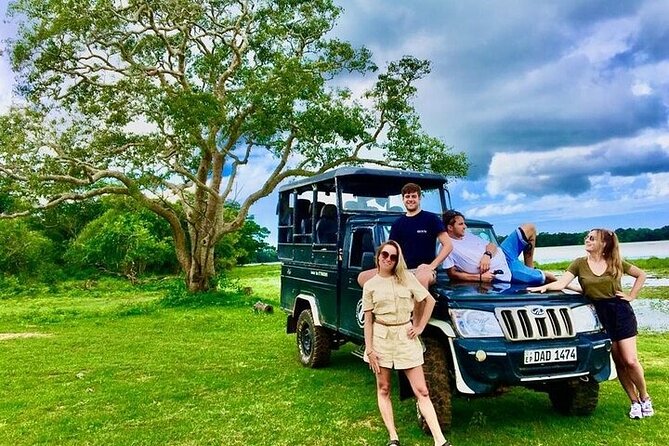
Kumana has a very specific birding feature. About 200 hectares are set aside just for bird watching during May and June, when birds fly here to hibernate. This is one of the reasons bird watchers rate the area so highly.
What does that mean for your trip? It means you are not only looking at random birds from a moving jeep. The park includes a purposeful bird-focused area tied to seasonal behavior. When you travel in or near those months, your odds of seeing more species improve, and the time you spend scanning becomes more rewarding.
Even outside May and June, Kumana’s bird life remains a core attraction. But the seasonal focus gives you extra confidence if your travel dates line up. If your plan includes May or June, it is worth leaning toward a birding-first mindset. Bring binoculars if you have them, and be ready to slow down when the driver stops. Birds often show themselves in moments, not seconds.
If you are not a bird nerd, you still benefit. Many bird species act like natural indicators for where water, food, and cover are nearby. When birds congregate, wildlife often does too.
Wildlife Chances Beyond Birds: Reptiles, Crocodiles, and Turtles
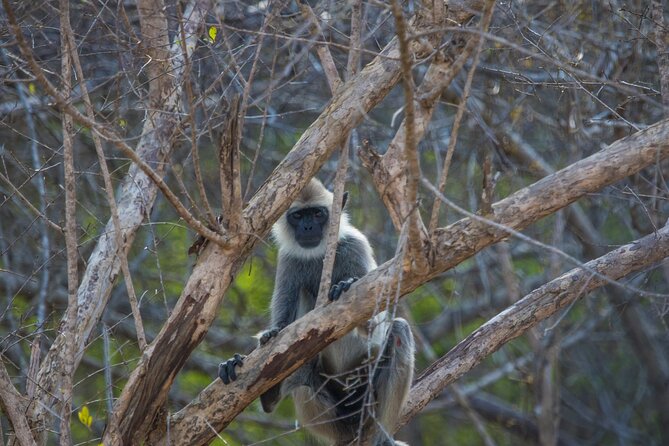
One of the biggest strengths of this safari is that it is not purely a bird trip. The park is also known for reptiles and turtles, which adds variety to your viewing.
You may have a chance to spot mugger crocodiles and turtles, plus evidence of other reptiles in the habitat. Crocodiles and turtles tend to be tied to water sources, so your scanning strategy changes. Instead of only looking high and far, you also check edges, quiet shorelines, and spots where animals can be resting.
This is where a good driver matters. Even on days with limited large mammal sightings, reptiles and birds can still show activity. People praise the way the driver takes time, which likely means more pauses for careful checking rather than quick drive-bys. That improves the overall feel of your safari and raises your chances of actually noticing what is in front of you.
Also, if you are traveling with kids, this reptile and turtle mix helps. Wildlife is not only about spotting an elephant. It is about seeing the full web of life that makes a park like Kumana function.
The Big Mammal Odds: Elephants, Leopards, and Jackal
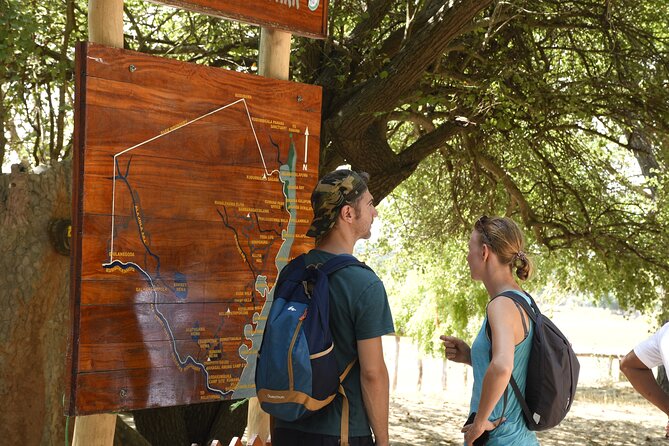
The mention of elephants and leopards is part of what draws many people. Kumana is known for a wildlife range that can include these animals, and the safari route gives you chances rather than promises.
So what is the best way to think about the big mammals? Treat them as bonus events. Your core value is the park time, the bird and reptile opportunities, and the chance that something larger decides to cross your path.
That said, the list is encouraging:
- elephants
- leopards
- golden jackal
- wild boars
These animals do not all show up at once. Some days, you might notice smaller mammals and birds more than big cats. Other days, you might get lucky with a larger animal closer than you expected. Either way, the safari helps you understand the park as living habitat rather than a single viewing point.
If you want your best odds, you should plan to be patient and observant. Keep your camera ready but do not stare at it. Watch the environment too. Tracks, movement, and bird behavior often give you early clues that something bigger might be nearby.
What It Costs, and Whether It Is Good Value
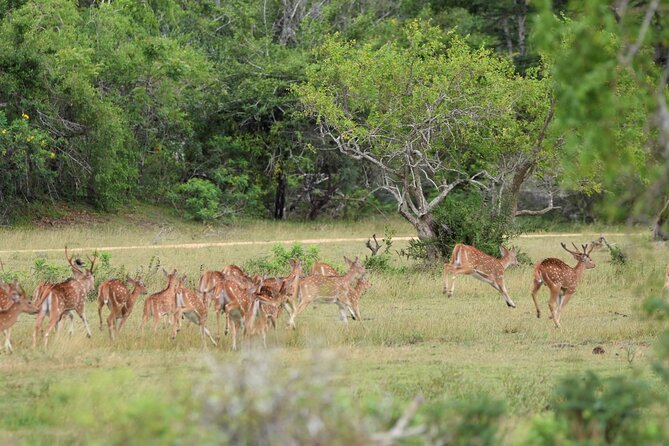
The price is $94 per person for a half-day jeep safari, with the admission ticket included. That does not automatically mean it is cheap or expensive. Value depends on what you get: transport, guide-led planning through the park, and meaningful time in a large national area.
At this length, you are paying for a focused wildlife outing without committing to a full-day trip. If you want Kumana on your itinerary but you also want time to enjoy Arugam Bay beaches and downtime, half-day can be the sweet spot.
Also consider how often you will get a private setup. This is a private tour/activity, only your group participates. In practice, that can make the experience feel less generic. With fewer people to manage, a driver can spend more time checking relevant spots when wildlife or birds appear.
Booking happens about 18 days in advance on average, which suggests it is popular. If you are aiming for a specific date or time window, lock it in early so you can pick the morning or afternoon option that matches your comfort level.
How to Prepare: Simple Safari Gear That Actually Helps
Kumana can be warm, especially if you choose the afternoon heat slot. You do not need fancy gear, but a few basics make a big difference.
Bring:
- Sun protection and a hat
- Water, especially for afternoon
- Light layers that you can adjust quickly
- Binoculars if you already use them for birds
On a jeep safari, you also want to be comfortable sitting and scanning for stretches of time. So pick clothing that lets you move your head and arms easily. If you use a phone camera, keep it ready, but remember that wildlife moments are brief. Staying alert beats missing the action while you fumble with settings.
One more practical tip: stay quiet when the driver spots something. Let the group see first, then shoot. You will get more value out of the stop if everyone is watching, not talking.
Who This Safari Fits Best
This tour fits several kinds of travelers.
Choose it if you:
- are staying around Arugam Bay and want an efficient national park outing
- care about bird watching, especially if your dates fall in May and June
- want a mix of birds, reptiles, and turtles, not only big mammals
- prefer a private experience rather than a large multi-group tour
It can also work well for couples and small families because the timing options make it easier to plan around meals and comfort.
If you only want a guaranteed sighting of a specific animal, then a safari might not be your style. Wildlife is wild. But if you enjoy the process, the variety, and the chance to learn what the park is doing that day, this format is a great match.
Final Call: Should You Book This Kumana Half Day Jeep Safari?
I think you should book this safari if you want a high-effort wildlife experience without taking a full day away from Arugam Bay life. The big reasons are the bird-focused value, the wildlife variety including reptiles and turtles, and the pickup and drop-off that keeps your day manageable.
Go for it if your dates match May or June, because the 200-hectare birding area and the seasonal bird behavior are exactly the kind of detail that can turn an ordinary outing into a standout one. And even outside those months, the park’s mix of birds plus reptile chances keeps your viewing interesting.
If your main goal is total comfort over all else, consider choosing the morning slot. Afternoon heat can be intense, and you will be happiest if you pack for it. But if you can handle the sun, the afternoon timing can be worth it.
Bottom line: for a half-day plan with real wildlife and birds in Kumana, this is a strong way to spend your time.
FAQ
Where does the Kumana National Park safari start and end?
The activity starts in Arugam Bay, Sri Lanka, and ends back at the meeting point.
How long is the half-day jeep safari?
It runs for about 4 to 6 hours.
Is hotel pickup included?
Yes, pickup is offered, and you are dropped back at your hotel in Arugam Bay.
Is this tour private?
Yes. It is a private tour/activity, so only your group will participate.
What wildlife and birds might I see?
You may see elephants, leopards, golden jackal, wild boars, European otter, mugger crocodile, turtles, and many birds such as pelicans, painted storks, purple herons, and egrets.
Is bird watching a main focus here?
Yes. There is an area of about 200 hectares allocated for bird watching during May and June, when birds fly here to hibernate.
What is the cancellation policy?
You can cancel for free up to 24 hours in advance for a full refund. If the experience is canceled due to poor weather, you will be offered a different date or a full refund.
Recent additions in Sri Lanka
- Yala Village Tour: Pottery Class, Lake and Temple Visits★ 5.0 · 5 reviews
- Zip Lining in Ella★ 4.5 · 16 reviews
- Yala Private Safari – Half Day or Full Day with Picnic Lunch★ 5.0 · 4 reviews
- Yala Safari All-Inclusive Package with Convenient Pick Up★ 4.4 · 3 reviews
- YALA SAFARI TOUR with Galle/Mirissa/Tangalle/Ella Transfers★ 5.0 · 3 reviews
- Yala National Park – Safari Tour with Hotel / Accommodation★ 4.7 · 31 reviews
- Yala National Park Wildlife safari from Mirissa★ 3.3 · 4 reviews
- Yala Safari : 7 hour & 12 hour Tours★ 3.8 · 6 reviews
National Parks, compared.
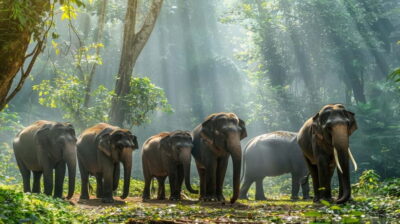
Yala National Park Safari Tours: Morning/Evening/Full Day
Read our review →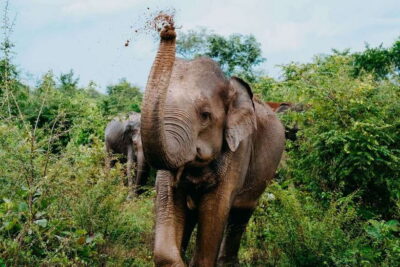
Udawalawe National Park: Elephant Safari with Expert Guide
Read our review →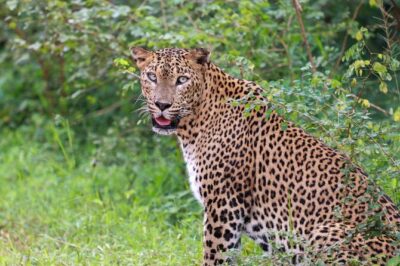
Full day Safari – Yala National Park – 04.30 am to 06.00 pm with – Janaka safari
Read our review →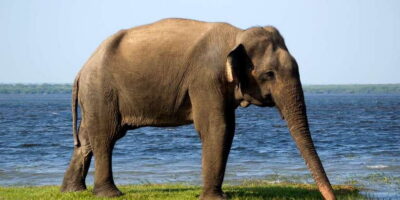
Yala National Park: Morning or Afternoon Golden Hour Safari
Read our review →
Yala National Park Wildlife Safari/ Game Drive – by Ajith Safari
Read our review →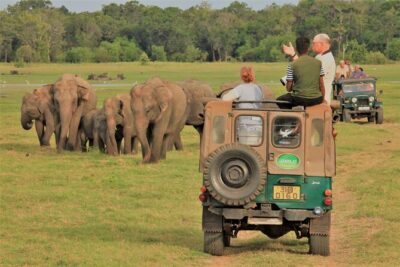
Private Jeep Safari at Minneriya National Park to Visit Elephants
Read our review →Browse the lists this tour appears in