Reviewed · COLOMBO TOURS
Bird Watching Tour Sri Lanka – 10 Days
Birds in Sri Lanka start early. I like the tight morning-and-evening birding rhythm and I like how the route is built around real chances for endemic species like those in Sinharaja. The tradeoff is travel time and heat, plus entry fees are not included, so your budget needs a little room.
Sri Lanka may be small, but the bird diversity is huge. You’ll cover wetlands near Colombo, forest stops around Kandy, and rain forest that is famous for endemics, all while traveling by air-conditioned vehicle with an English-speaking chauffeur guide. In at least one version of this trip I learned about, the driver named Sam gets called out for being friendly and good at making the long days feel easy.
If you want your vacation to be built around quiet scanning, patient listening, and quick detours for a distant call, this is a strong match. If you want nonstop comfort and zero walking, you might find the daily schedule a bit full.
In This Review
- Quick Birding Wins on This 10-Day Route
- Why Sri Lanka Birding Feels Like a Species Sprint
- Price and What the $746.67 Covers (and What It Does Not)
- Getting From Colombo to Your First Birding Wetland Without Stress
- Muthurajawela Marsh: Wetland Birding Near the Capital
- Anawilundawa Wetland Sanctuary: More Than a Bird Spotting Break
- Sigiriya and Udawatta Kele: Forest Edge Birding Near a Famous Site
- Belilena Cave Evening: Where Birding Turns to Night-Ready Listening
- Kithulgala and Sinharaja Rain Forest: Endemics and Big Canopy Listening
- Bundala National Park at First Light: Flamingos and Migrants
- The Wrap-Up Days: Negombo Again, Then Home
- Field Tips That Make This Tour Easier on Your Eyes and Legs
- Who This Tour Suits Best
- Should You Book This Bird Watching Tour in Sri Lanka?
- FAQ
- What time does the tour start, and where is the meeting point?
- Is pickup offered?
- How long is the bird watching tour?
- Is this tour private?
- Are entry fees included?
- What meals are included?
- Do I need to pay extra camera fees?
- Where do the bird watching sessions take place?
- Is the tour dependent on weather?
- What fitness level do I need?
Quick Birding Wins on This 10-Day Route
- Muthurajawela wetland sessions with sightings described as around 75 bird species, plus crocodiles and monkeys
- Anawilundawa’s mix of birds and mammals, including threatened small cats and fishing cats
- Sigiriya and Udawatta Kele for forest edge birding near a major cultural area
- Sinharaja Rain Forest focus, where 21 of 26 Sri Lankan bird endemics are possible to explore
- Bundala National Park at early light, known for migratory waterbirds and big Greater Flamingo flocks
Why Sri Lanka Birding Feels Like a Species Sprint
I love birding tours where the schedule makes sense biologically. Here, the day structure leans into when birds are most active, with morning and evening sessions at several stops. That timing matters in Sri Lanka, where visibility and bird movement can shift fast between early light and hotter daytime hours.
The bigger reason I’m excited for you, though, is the scale of Sri Lanka’s bird world. Even though the island is small by area, it records 459 bird species, and 34 of those are endemic. Add the fact that a large share of the world’s bird orders shows up in Sri Lanka, and you understand why ornithologists care about these sites so much.
You should also expect the experience to feel a bit wild and unpredictable, even with a planned route. One morning you might be checking perches in a wetland; another you might be listening for calls deep in the canopy. That mix is what makes this kind of tour feel like more than a checklist.
A few more Colombo trips to line up
- Colombo City Tour by Tuk Tuk Experience – All Inclusive
★ 4.9 · 848 reviews - Sri Lanka Personal Tour Driver in private vehicle
★ 5.0 · 747 reviews - Colombo Tuk Tuk City Tour -Sightseeing Entry Fees & Food Included
★ 5.0 · 678 reviews
Price and What the $746.67 Covers (and What It Does Not)
The price is $746.67 per person for about 10 days, and the value comes from what’s organized for you. Included are air-conditioned transfers, sightseeing with an English-speaking chauffeur guide, plus parking and tolls and GST/VAT/service charges. You also get breakfast 8 times, which helps because birding mornings are not the time you want to scramble for breakfast.
What’s not included is just as important for your planning. Entry fees are not included, and some locations can add up. The tour also lists that lunch and dinner are not included, and it’s smart to budget for drinks and any personal costs. If you use a camera, remember that any video or still camera fees at monuments or places of visit are also not included.
So is it worth it? For me, it makes sense when you want a guided, day-to-day plan that handles logistics and gets you to top birding regions without you driving yourself. If you’re the type who hates paying extra on arrival, you’ll want to set aside a small “entry fee buffer” before you go.
Getting From Colombo to Your First Birding Wetland Without Stress
You start at Bandaranayake International Airport in Colombo at 8:00 am, with pickup offered. Day 1 includes a welcome and a transfer into Negombo, a coastal town where you can spend the rest of the day at leisure.
This matters because birding is hard work, even when you’re not doing heavy hiking. Arriving and getting settled cleanly helps. You avoid the classic mistake of burning your first morning trying to figure out transport.
Negombo itself is a short stop on this route, but it’s a good mental reset after flights. It’s described as a romantic coastal town with sandy beaches and access to nightlife if you feel like going out later. Then the tour shifts into serious birding territory the next morning.
Muthurajawela Marsh: Wetland Birding Near the Capital
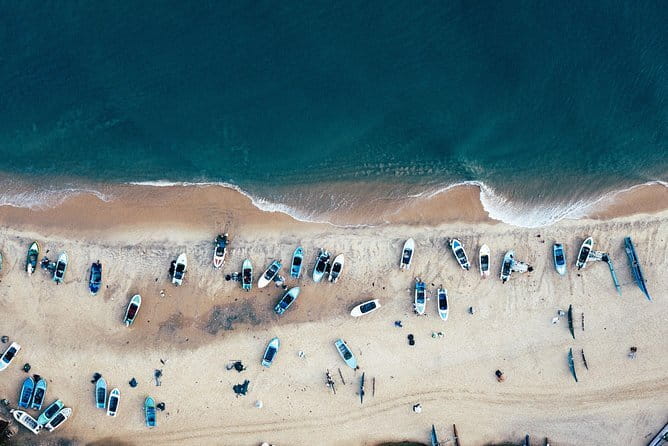
On Day 2, you get a morning bird watching session at Muthurajawela Bird Sanctuary. This is one of those wetland settings where you can watch birds while keeping an eye on the rest of the ecosystem.
The sightings described include around 75 bird species, with attention on birds like purple herons, cormorants, and kingfishers. What I find especially useful for you is that the tour details don’t just list birds. They also mention crocodiles, monkeys, and even very rarely seen otters.
That broader wildlife context changes how you watch. Instead of staring only at the waterline for one bird, you’ll naturally scan edges, reeds, and movement in the shade. Wetlands often reward that kind of “whole scene” attention.
A practical consideration: your time there is listed as about 3 hours, and mornings in wetland areas can feel humid fast. Bring light layers and plan to keep your eyes open even when the action seems slow.
Within the same drive of Colombo, but a different sort of day:
- Udawalawe National Park: Elephant Safari with Expert Guide
★ 4.9 · 641 reviews - Colombo Private Tuk-Tuk City Tour with All Entry Fees Included
★ 5.0 · 524 reviews - 08 Nights in Magical Sri Lanka
★ 5.0 · 443 reviews - Colombo Local Food Tour by Tuk Tuk – All Inclusive
★ 4.9 · 261 reviews
Anawilundawa Wetland Sanctuary: More Than a Bird Spotting Break
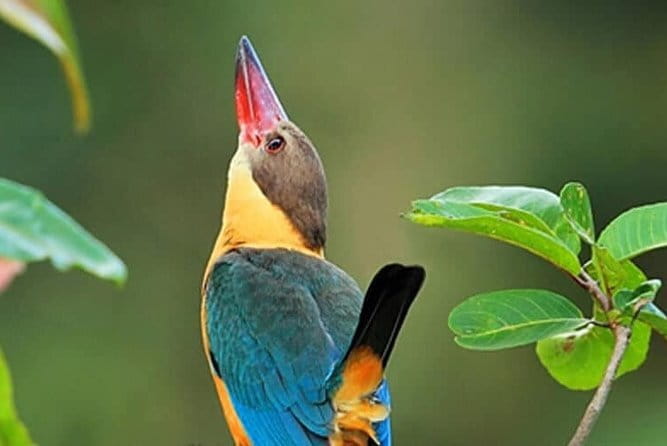
Day 3 starts with another morning bird watching session at Anawilundawa Wetland Sanctuary before heading toward Sigiriya.
Anawilundawa is described as generally unknown outside of birding circles, which is good news if you like less crowded nature time. The sanctuary is known for over 150 bird species, so the challenge becomes sorting through what you’re seeing rather than searching for what’s present.
Here’s where the trip feels extra valuable. The site is not only about birds. You can also encounter 20 species of mammals recorded here, including the Toque Monkey. The tour info also names threatened species such as slender loris, rusty spotted cat, fishing cat, and Indian otter. Even if you don’t see every mammal on your day, the fact that the area supports them tells you the habitat quality is high.
On top of that, there are 74 species of butterflies known to breed here. If you like natural history beyond birds, this is a satisfying stop.
If you’re sensitive to long drives, this day has some movement afterward, since you proceed to Sigiriya. Still, it’s a logical step in the route, because you’re shifting from wetland habitats to the cultural and forest edge birding around central Sri Lanka.
Sigiriya and Udawatta Kele: Forest Edge Birding Near a Famous Site
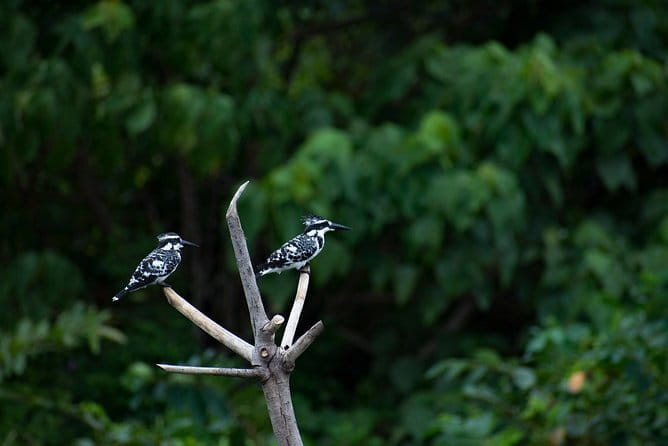
Day 4 begins with morning bird watching around Sigiriya, listed as about 3 hours. This is paired with an additional stop at Udawattekele Sanctuary, a forest area described as about 257 acres and a vital bio reserve for Kandy City.
I like this pairing because it gives you two different birding textures in one day. Sigiriya area birding tends to be more “mosaic,” where open and forest-adjacent zones can mix. Then Udawatta Kele shifts you toward deeper, more shaded habitat, which often changes the kinds of calls and sightings you notice.
Udawatta Kele being a bio reserve for Kandy also hints at something practical. These forests are close enough to a city that your transport is simple, yet the habitat is protected enough to matter for wildlife. For birding, that balance is gold.
Entry tickets for Udawatta Kele are not included, while the Sigiriya morning session is listed as free for admission ticket. It’s worth keeping that in mind when you budget.
Belilena Cave Evening: Where Birding Turns to Night-Ready Listening
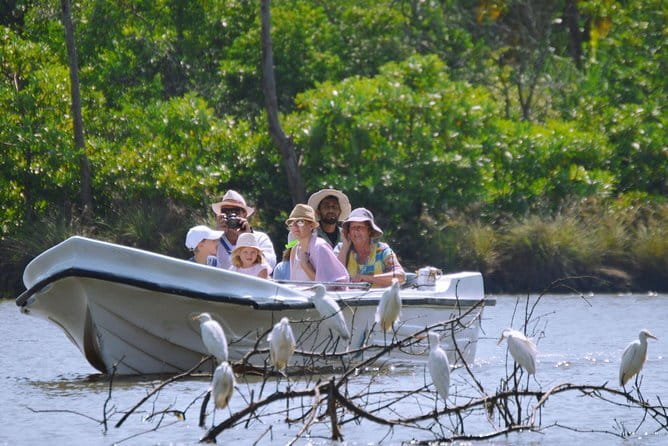
Day 5 includes an evening bird watching tour around the Belilena prehistoric cave area.
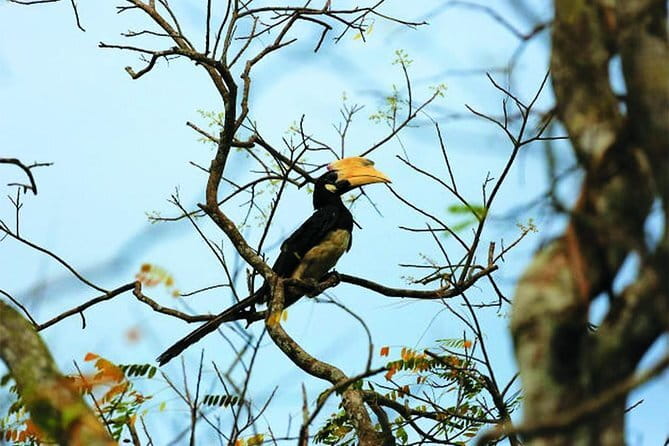
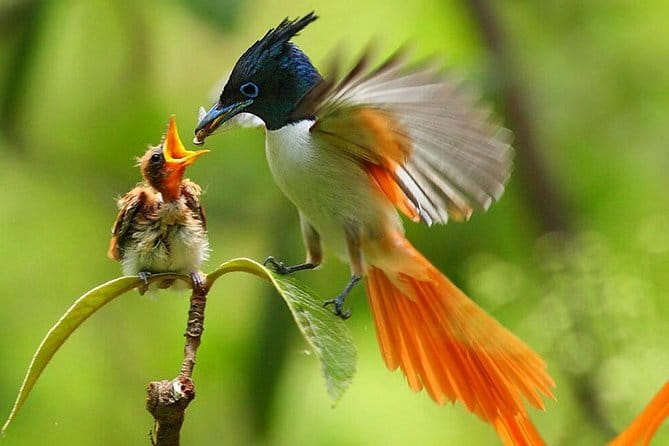
The species list here is detailed and fun, because it shows the mix you might be able to spot around this habitat. Birds mentioned include Munias, Flower peckkers, sunbirds, flycatchers, Mynas, Babblers, Monarchs, Wabblers, Prinias, Bul Buls, Wagtails, Drongos, Orioles, Leafbirds, Woodpeckers, barbets, Pigeons, Nuthatchs, Hornbills, and Coucals.
Even if you only see a fraction of that list on your night, I think the value is in changing how you bird. Evening birding often means listening harder, using slower scanning, and being patient with brief sightings. If you’re the kind of person who gets frustrated by “nothing for 20 minutes,” this is the time to reset your expectations and rely on your guide to help you connect sound to shape.
The day is short on other details, so plan for a lighter schedule compared to the early-morning wetland days.
Kithulgala and Sinharaja Rain Forest: Endemics and Big Canopy Listening
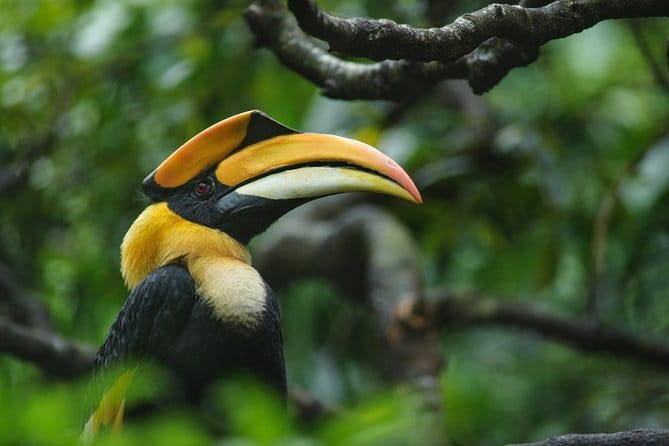
Day 6 is built around early morning bird watching around Kithulgala, then you proceed to Sinharaja, with an evening bird watching tour in the Sinharaja Rain Forest.
Sinharaja is the headline for many Sri Lanka birding trips, and this route treats it like that. Sinharaja has been declared a UNESCO World Heritage site, and you’re told it holds 147 bird species recorded to date. The part you’ll care about most is endemics: Sinharaja is described as the only location where 21 of 26 Sri Lankan endemic bird species can be explored.
That means your odds are not just about “seeing a lot.” They’re about targeting the Sri Lanka birds people travel for.
Day 7 continues with a morning bird watching session at Sinharaja Rain Forest (about 3 hours), then the route proceeds toward Thissamaharama.
A realistic expectation: rain forest birding can feel slow even when you know birds are there. The sound can be constant, but visual confirmation can take time. This is where an English-speaking guide helps you interpret calls and watch patterns. You’ll enjoy it most if you like the process, not only the final sighting.
Bundala National Park at First Light: Flamingos and Migrants
Day 8 brings you to Bundala birds paradise with an early morning Bundala bird watching session. Bundala National Park is described as an internationally important wintering ground for migratory waterbirds in Sri Lanka. In practice, that means birds you expect to see elsewhere during certain seasons show up here in flocks.
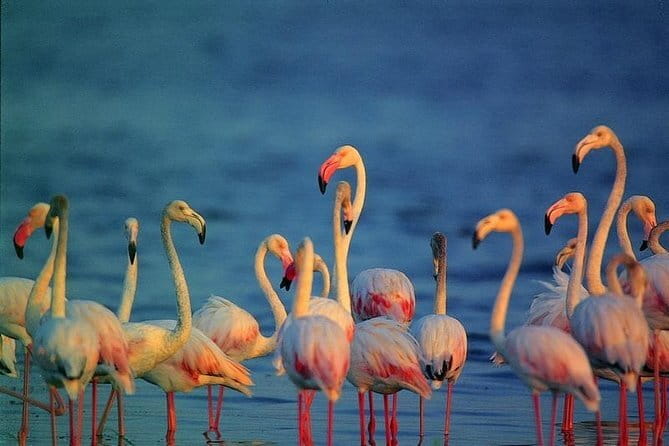
The tour info states that Bundala harbours 197 species of birds, with the standout being the Greater Flamingo that migrates in large flocks. It also mentions migratory birds in very large numbers during the migratory period, plus attractions like flocks of hummingbirds.
What I like for you about Bundala is that it often feels like a switch from forest listening to open, water-based watching. You’ll typically have better sightlines over water and shoreline areas, and when flamingos are present, it’s hard not to get excited fast.
As with other early starts on this trip, dress for heat and humidity. Bring something you can move in, because early birding is all about walking and standing in the right places at the right moments.
The Wrap-Up Days: Negombo Again, Then Home
Day 9 has you go back toward Negombo after breakfast. Day 10 returns you to the airport after breakfast for a safe journey.
I appreciate this structure. After two rain-forest heavy days and another early start at Bundala, you get a bit of decompression time. Negombo again is a nice way to end, especially if you want a beach walk before your flight.
The downside of any 10-day bird route is that your body accumulates fatigue. Even if you aren’t doing steep hikes, you’re often outdoors, moving between habitats, and scanning for small details. This is one reason the “moderate physical fitness level” note is there.
Field Tips That Make This Tour Easier on Your Eyes and Legs
You don’t need special gear, but a few basics will improve your experience a lot:
- Wear light, breathable clothes and plan for warm weather, since several stops are morning sessions and you’ll still feel heat later.
- Bring binoculars if you own them. Wetlands and open water areas are easier when you can check details quickly.
- Expect short, frequent breaks for repositioning. Birding is not one long straight line.
- If you care about photos, the tour warns that camera fees may apply at monuments and places of visit. Budget for that in advance.
- Keep your expectations flexible. Even on a well-planned route, wildlife timing is wildlife timing.
And one social note: since this is a private tour where only your group participates, you can often match your pace to the kind of birding you want, fast scanning or slower listening. That matters a lot for family groups too, since kids and adults can focus on different cues.
Who This Tour Suits Best
This itinerary is ideal if you want a structured way to see a mix of habitats, not just one type of birding.
You’ll love it if:
- You’re chasing Sri Lankan endemics, especially the chance set connected to Sinharaja
- You like morning and evening nature time
- You want an organized plan with air-conditioned transfers and an English-speaking chauffeur guide
It may not suit you as well if:
- You dislike early starts or long driving days between zones
- You’re not comfortable paying extra entry fees once you arrive
- You need a tightly fixed schedule with no downtime. Birding requires you to slow down when birds decide to show up late
Should You Book This Bird Watching Tour in Sri Lanka?
I’d book it if your top priority is a guided route across Sri Lanka’s major birding habitats, with a strong emphasis on endemics and real wetland action. The included transport and English-speaking guide are practical value, and the habitat mix is the kind of itinerary that turns into memories fast, even on the days when sightings are brief.
I’d think twice if you’re on a tight budget and don’t want any extra costs beyond the ticket price. Since entry fees and most meals are not included, you should plan for that.
If you want birding that feels organized, flexible, and focused on the birds people actually travel for, this one is a solid choice.
FAQ
What time does the tour start, and where is the meeting point?
The tour starts at 8:00 am at Bandaranayake International Airport, Colombo, Sri Lanka.
Is pickup offered?
Yes, pickup is offered, and the tour begins with the welcome and transfer from the airport into Negombo.
How long is the bird watching tour?
It’s listed as 10 days (approx.).
Is this tour private?
Yes. It’s described as a private tour/activity, so only your group participates.
Are entry fees included?
No. Entry fees are not included, though some specific stops are listed as free for admission ticket.
What meals are included?
Breakfast is included 8 times. Lunch and dinner are not included.
Do I need to pay extra camera fees?
Possible fees for video/still cameras at monuments and places of visit are not included.
Where do the bird watching sessions take place?
The itinerary includes birding at places such as Muthurajawela Marsh, Anawilundawa Wetland Sanctuary, Sigiriya area, Udawattekele Sanctuary, Belilena Cave area (evening), Kithulgala and Sinharaja Rain Forest, Bundala National Park, and time in Negombo.
Is the tour dependent on weather?
Yes. It requires good weather. If it’s canceled due to poor weather, you’ll be offered a different date or a full refund.
What fitness level do I need?
The tour notes that travelers should have moderate physical fitness.
Recent additions in Colombo
- Yala Safari All-Inclusive Package with Convenient Pick Up★ 4.4 · 3 reviews
- Wilpattu: Private Safari Day Trip with Lunch & Entry Fees★ 4.6 · 9 reviews
- Visit sri Lanka 7 Days Round Trip★ 5.0 · 18 reviews
- Tuk Tuk Tales of Colombo From Cruies★ 4.6 · 4 reviews
- Tuk Trip is Very Cheap in Colombo (All-inclusive ) city tour★ 4.5 · 5 reviews
- Tuk Trip is Very Cheap in Colombo (All-inclusive ) city tour★ 3.4 · 5 reviews
- Colombo Shore Excursion from Cruise Port – Private Small Group★ 5.0 · 6 reviews
- Yala National Park Full-Day Jeep Safari with Lunch★ 5.0 · 8 reviews
Colombo Tours, compared.
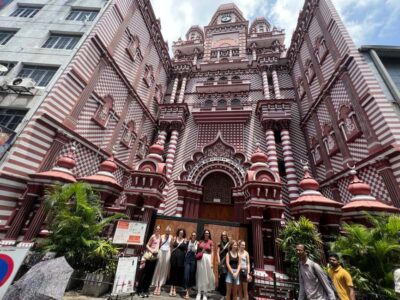
Colombo City Tour by Tuk Tuk Experience – All Inclusive
Read our review →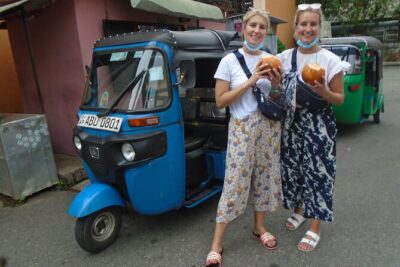
Colombo Tuk Tuk City Tour -Sightseeing Entry Fees & Food Included
Read our review →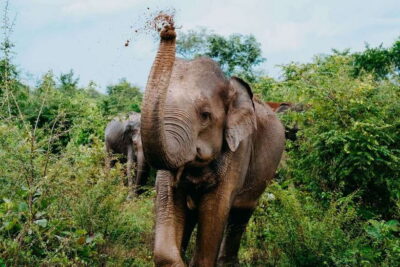
Udawalawe National Park: Elephant Safari with Expert Guide
Read our review →
Colombo Private Tuk-Tuk City Tour with All Entry Fees Included
Read our review →
Colombo Local Food Tour by Tuk Tuk – All Inclusive
Read our review →